
Welcome to the Hills Puppy Food Feeding Guide. This concise manual explains why high‑protein‚ DHA‑rich formulas support rapid growth‚ how to schedule meals‚ portion control‚ and when to transition to adult food for optimal health. Follow the feeding chart for precise portions. Adjust portions as your puppy grows.

Understanding Your Puppy’s Nutritional Needs
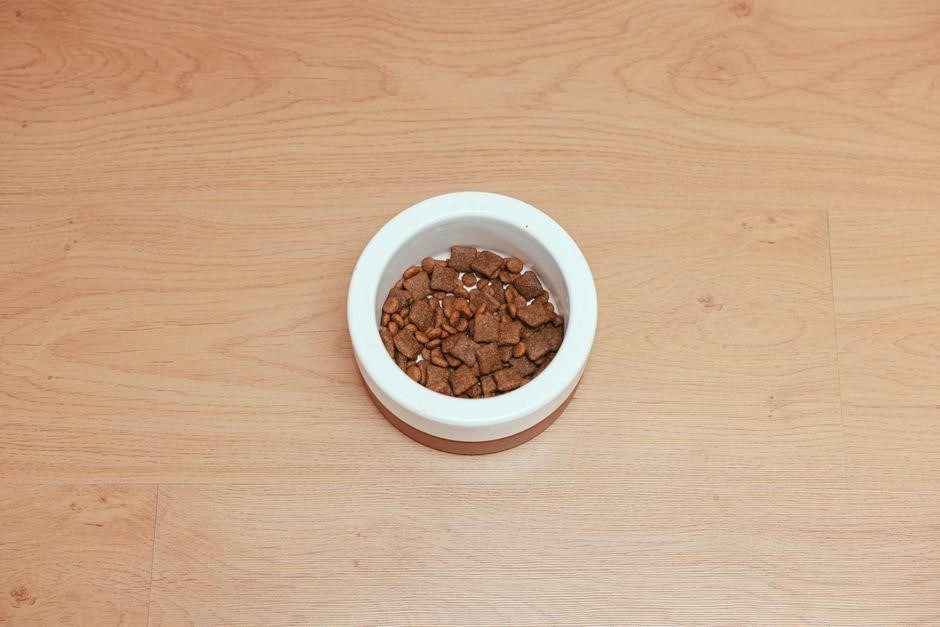
Hills Puppy Food delivers balanced protein‚ DHA‚ and essential vitamins to fuel rapid growth and strong bones. Puppies burn high energy‚ so nutrient‑dense meals support muscle development‚ brain function‚ and immune health. Tailor portions to age and weight for optimal results. This diet fuels growth and energy.

Why Hills Puppy Food Is Designed for Growth
Hills Puppy Food is formulated with a precise blend of high‑quality proteins‚ essential fatty acids‚ and a spectrum of vitamins and minerals that align with the National Research Council’s guidelines for growing dogs. The protein content‚ sourced from chicken meal and egg products‚ provides the amino acids required for muscle development‚ tissue repair‚ and the production of enzymes and hormones that regulate growth. DHA‚ a long‑chain omega‑3 fatty acid‚ is incorporated at levels that support neurological maturation‚ vision‚ and joint flexibility—critical for puppies that are learning to walk‚ run‚ and explore.
In addition to macronutrients‚ Hills includes a balanced ratio of calcium to phosphorus to promote healthy bone formation without encouraging excess mineral deposition that could lead to skeletal abnormalities. The diet’s energy density is calibrated to meet the high caloric demands of puppies‚ who can burn up to 25% of their body weight in activity each day. By providing a concentrated source of nutrients‚ the formula reduces the need for excessive meal volume‚ making it easier for owners to manage feeding schedules and preventing over‑feeding.

Hills also incorporates pre‑ and probiotics to support a healthy gut microbiome‚ which is essential for efficient digestion and immune function during the rapid growth phase. The inclusion of antioxidants such as vitamin E and selenium helps protect developing tissues from oxidative stress‚ while B‑complex vitamins support energy metabolism and nervous system health. Together‚ these components create a comprehensive growth diet that supports robust development‚ strong immune defenses‚ and a healthy body composition from the first weeks of life.
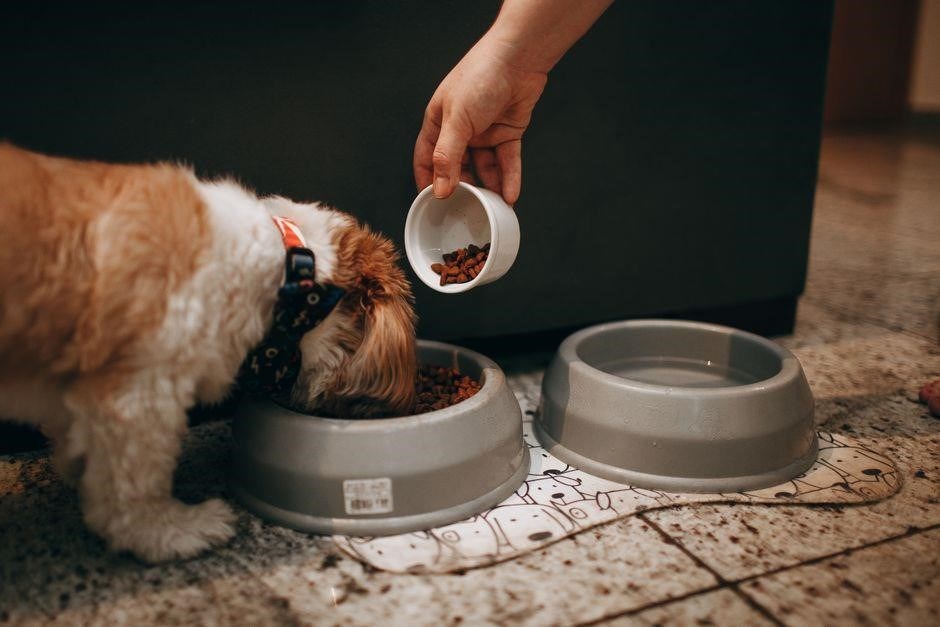
Key Nutrients: Protein‚ DHA‚ Vitamins
Protein is the cornerstone of Hills Puppy Food‚ with a minimum of 22% crude protein derived from chicken meal‚ egg by‑product‚ and fish meal. This high‑grade protein supplies essential amino acids—arginine‚ lysine‚ and methionine—that drive muscle mass accrual‚ tissue repair‚ and the synthesis of growth‑related hormones; The digestibility index of 90%+ ensures that puppies absorb the maximum benefit from each gram‚ supporting rapid weight gain without excess fat deposition.
DHA (docosahexaenoic acid) is added at 0.3% of the diet‚ a level proven to enhance neural development‚ ocular health‚ and joint mobility. DHA is a structural component of neuronal membranes; its presence during the first six months of life correlates with improved cognitive function and motor coordination. By supporting synaptic plasticity‚ DHA also aids in the formation of a resilient nervous system that can adapt to the high activity demands of growing puppies.
Vitamins are balanced to meet the National Research Council’s recommendations for growing dogs. Vitamin A (1‚500 IU/kg) supports vision and immune defense; vitamin D (200 IU/kg) works with calcium to build strong bones; vitamin E (50 IU/kg) acts as an antioxidant‚ protecting developing tissues from oxidative damage. B‑complex vitamins—thiamine‚ riboflavin‚ niacin‚ and folate—fuel energy metabolism and help convert food into usable energy‚ a critical process when puppies are constantly active. Together‚ these nutrients create a synergistic profile that promotes healthy growth‚ robust immunity‚ and optimal body composition.

Feeding Frequency Guidelines
Follow the schedule: 6‑12 weeks: four meals‚ 12‑24 weeks: three meals‚ 24‑26 weeks to 6 months: two meals. Adjust portions as growth slows‚ ensuring balanced energy intake and preventing obesity. This schedule aligns with metabolic rates and supports healthy weight gain. daily.
Six to Twelve Weeks: Four Meals Daily
During the first 6‑12 weeks‚ puppies have high energy demands and a rapidly developing digestive system. Feeding four balanced meals each day helps maintain steady blood glucose levels‚ supports bone and muscle growth‚ and prevents overeating in a single session. Use the feeding chart on the package to determine the exact portion size based on your puppy’s weight. Start with a small amount‚ then add a few tablespoons of wet food or a splash of warm water to soften kibble‚ making it easier to chew and digest. Monitor your puppy’s weight and body condition score; if they appear too thin‚ increase the portion by 10–15 %. Conversely‚ if they gain excess weight‚ reduce the portion slightly. Maintain consistent meal times—morning‚ midday‚ late afternoon‚ and early evening—to establish a routine that promotes healthy digestion and reduces the risk of gastric dilatation‑volvulus (bloat). Always provide fresh water throughout the day. This feeding frequency aligns with veterinary recommendations for rapid growth and ensures that puppies receive the necessary protein‚ DHA‚ and vitamins for optimal development. Regular weigh‑ins every two weeks help fine‑tune portions and keep growth on track. By adhering to these guidelines‚ you not only support your puppy’s immediate nutritional needs but also lay the foundation for a healthy adult life‚ reducing future health risks and ensuring a strong‚ active companion for years to come. Remember to consult your veterinarian for personalized advice‚ especially if your puppy has special health considerations or if you notice any changes in appetite or weight. Enjoy feeding
Twelve to Twenty-Four Weeks: Three Meals Daily
Betweentwelvetwenty‑fourweeks‚a puppy’smetabolismstabilizes‚andtheneedforfrequentfeedingscanbesafelyreducedtothreebalancedmealsperday.Thisschedulesupportsrapidgrowthwhilepreventingover‑feeding‚whichcanleadtobdominaldiscomfortorobesity.Usethefeedingchartonthepackage tocalculate thecorrectportionforyourpuppy’scurrentweightandadjustastheygainmuscleandlosethecharacteristic“potbelly.”Eachmealshouldcontainthesamehigh‑qualityprotein‚DHA‚andvitaminblendthatHillsPuppyFoodoffers‚ensuringbone‚muscle‚andbraindevelopmentcontinueatasteadypace.Keepfeedingtimesconsistent—morning‚midday‚andearlyevening—toreinforceapredictableroutinethataid digestionandreduces thelikelihoodofgastrodilatation‑volvulus.Providefreshwateratalltimes‚andmonitoryourpuppy’sweightandbodyconditioneverytwoweeks;iftheyappeartoothin‚increasetheportionby10–15 %‚andiftheyaregainingexcessweight‚reducetheportionslightly.Thiscarefulbalanceofquantityandtiminghelpsmaintainhealthygrowthtrajectorieswhilepreparingthepuppyfortheeventualtransitiontoadultnutrition.Byfollowingtheseguidelines‚yousupportoptimalenergylevels‚healthymuscletone‚andastrongfoundationforlong‑termhealthandvitality.Itisadvisabletomonitorforanysignsofdigestiveupset‚suchasdiarrheaorvomiting‚whichmayindicatetheneedtoadjustthetextureorbrandoffood.Consistentfeedinghabitsestablishednowwillreducethelikelihoodoffuturebehavioralissuesrelatedtohungerandhelpyourpuppyddevelopahighlyhealthyrelationshipwithfood.Trackprogressandadjustportionsasyourpuppygrows. Keep calm Stay.
Twenty-Four Weeks to Six Months: Two Meals Daily
At this stage‚ your puppy’s growth rate slows‚ and its digestive system can handle fewer‚ larger feedings. Feeding twice a day—morning and evening—provides a steady supply of the high‑protein‚ DHA‑rich formula that supports bone and muscle development while preventing over‑eating. Use the feeding chart on the package to determine the correct portion for your puppy’s current weight‚ and adjust as it gains muscle and loses the “potbelly.” Consistent meal times help regulate metabolism and reduce the risk of gastric dilatation‑volvulus. Monitor weight and body condition every two weeks; if your puppy’s weight plateaus or rises‚ increase the portion by 10–15 %‚ and if it falls‚ reduce slightly. After neutering‚ energy needs may drop‚ so consider transitioning to a balanced adult diet once the puppy reaches six months or shows signs of slowed growth. Keep fresh water available at all times‚ and watch for signs of digestive upset‚ which may indicate a need to change texture or brand. By maintaining a predictable feeding schedule‚ you support healthy growth‚ establish good eating habits‚ and lay a foundation for lifelong wellness. Additionally‚ incorporating a small amount of wet food or a protein supplement can enhance palatability and aid in the transition to adult kibble. Always consult your veterinarian if you notice any sudden changes in appetite or stool consistency‚ as these can be early indicators of health issues that require prompt attention. Remember to record each feeding in a log to track progress daily reference!!

Portion Sizes and Measurement
Use the package chart to find the daily amount for your puppy’s weight. Measure with the included scoop‚ then split into meals per the feeding schedule. Adjust portions as your puppy grows‚ keeping an eye on weight and body condition. Always weigh weekly and adjust portions to maintain ideal body condition. and check.

Using the Feeding Chart on the Pack
Each Hills puppy food bag or box contains a clear‚ color‑coded feeding chart that matches your puppy’s current weight and the recommended daily portion. First‚ weigh your puppy on a reliable scale or use the weight range printed on the label. Then locate the corresponding weight row on the chart. The chart lists the total grams or cups of food required per day for puppies of that weight. Divide this total by the number of meals prescribed for the puppy’s age group—four meals for six‑to‑twelve‑week olds‚ three for twelve‑to‑twenty‑four‑week olds‚ and two for twenty‑four‑week‑to‑six‑month olds. Use the scoop that comes with the bag to measure each portion accurately; the scoop size is calibrated to the food’s density. If you prefer to use a kitchen scale‚ weigh each portion to ensure consistency. Always keep the feeding chart handy‚ as it updates with each new package and reflects any changes in formulation or recommended feeding frequency. By following the chart precisely‚ you help your puppy maintain a healthy weight‚ support optimal growth‚ and avoid over‑ or under‑feeding. Remember to consult your veterinarian if your puppy’s weight changes significantly or if you notice any health concerns. Consistency in portion size and timing is key to a thriving‚ healthy puppy. The chart also indicates the ideal feeding frequency for each developmental stage‚ ensuring that energy intake aligns with growth spurts. If your puppy is on a wet‑food mix‚ remember that the moisture content reduces the dry‑food weight‚ so adjust accordingly. For owners who like to track progress‚ jotting down daily intake in a notebook or app can help spot trends early. Should you need to modify the portion—due to a change in activity level or health status—re‑consult the chart or your vet before making adjustments. Finally‚ store the bag in a cool‚ dry place to preserve nutrient quality‚ and always replace the food after the expiration date to guarantee freshness and safety for your growing pup. When measuring‚ use the scoop to fill to the top of the cup‚ not overfill‚ as excess can lead to weight gain. If you’re uncertain about the weight‚ weigh the food in a container to confirm the scoop’s accuracy. Keep a record of the date and weight each time you feed; this data can be invaluable during vet visits. Additionally‚ the feeding chart may include a note about the recommended portion for puppies that have been neutered or spayed‚ as their metabolism may shift. Following these guidelines consistently will help your puppy grow into a healthy‚ well‑balanced adult dog. Remember‚ the feeding chart is a living document; if Hills releases a new formula‚ the chart will update to reflect the new caloric density. Always read the label for any such changes before adjusting portions. By adhering to the chart‚ you provide a stable nutritional foundation that supports strong bones‚ healthy skin‚ and a robust immune system throughout your puppy’s formative months.
Adjusting Portions as Your Puppy Grows
As a puppy’s weight increases‚ the calories needed per day rise proportionally. Start by weighing the dog every four to six weeks; a digital scale is most accurate. Compare the weight to the feeding chart on the package and record the daily amount. If the puppy’s weight has climbed above the chart’s upper limit‚ increase the portion by the chart’s next step. For example‚ a 12‑week‑old that now weighs 8 lb may need a 10 lb step increase. If the puppy’s weight falls below the chart’s lower limit‚ reduce the portion by the next step. Always adjust in small increments—no more than 10 % of the current daily amount—to avoid sudden changes that can upset digestion. Monitor the puppy’s body condition score (BCS) every month; a score of 4–5 on a 9‑point scale indicates ideal weight; If the BCS is above 5‚ trim the portion; if below 4‚ increase it. Keep feeding times consistent; the same number of meals per day should be maintained until the puppy reaches six months‚ then shift to two meals. When the puppy approaches the 24‑week mark‚ begin to reduce the number of meals while keeping the total daily calories stable. If the puppy is neutered or spayed‚ its metabolism may slow; in that case‚ consult the vet before adjusting portions. Record each change in a log; this data helps the veterinarian assess growth trends. Finally‚ always use the scoop provided with the bag to measure portions; the scoop is calibrated to the food’s density‚ ensuring accurate calorie delivery. By following these steps‚ you provide a balanced diet that supports healthy growth and prevents obesity or malnutrition..

Transitioning to Adult Food
Switch when the puppy reaches 6 months or shows a mature body. Reduce meals to two daily‚ monitor weight‚ and replace the puppy formula with adult food. Adjust portions gradually to match energy needs‚ ensuring a smooth transition without digestive upset. Consult your vet for personalized timing. and growth. OK!
When to Switch
Determining the precise moment to transition from puppy to adult formula hinges on a blend of developmental markers and practical cues. A puppy’s growth rate typically slows after the first six months; at this point‚ the body’s demand for high protein and DHA diminishes‚ and the focus shifts to maintaining lean muscle mass and supporting a mature immune system. Veterinarians often recommend evaluating body condition score (BCS) and weight trajectory: if the puppy’s weight gain has plateaued and the BCS remains within the ideal range (usually 4–5 on a 9‑point scale)‚ it signals readiness for a lower‑calorie adult diet. Additionally‚ behavioral changes—such as reduced hyperactivity and a calmer demeanor—can indicate that the puppy’s energy requirements have aligned with adult needs. Another practical indicator is the completion of the puppy’s developmental milestones‚ such as the cessation of teething and the appearance of adult teeth‚ which typically occur around 12–18 weeks. Finally‚ if the puppy has been neutered or spayed‚ the metabolic rate often decreases‚ making a transition to adult food prudent to prevent weight gain. Combining these observations with a vet’s assessment ensures a smooth‚ health‑focused switch.
Monitoring the puppy’s weight and body condition score every few weeks helps fine‑tune the adult diet. If puppy begins to gain excess fat or shows lethargy‚ reduce the portion by 10–15 %. Conversely‚ if the puppy remains thin or shows increased activity‚ increase the portion slightly. A gradual 5–10 % adjustment over a week or two prevents digestive upset. Keep the feeding schedule consistent—two meals a day at the same times—to reinforce routine. Finally‚ record any changes in stool quality or appetite; persistent changes warrant a vet visit.