
Guided surgery revolutionizes dental implant placement, offering enhanced precision and predictability. Modern techniques leverage 3D imaging and digital planning for optimal outcomes.
What are Dental Implants?
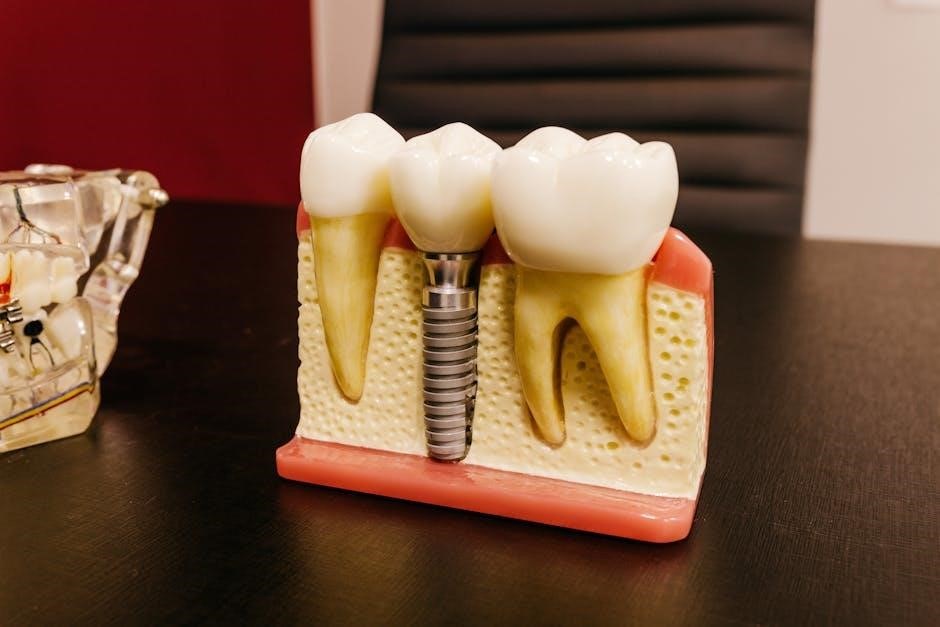
Dental implants are artificial tooth roots, typically made of biocompatible titanium, surgically placed into the jawbone. They serve as a foundation for replacement teeth, offering a durable and aesthetically pleasing solution for missing teeth. Unlike dentures or bridges, implants fuse with the bone through a process called osseointegration, providing stability and function akin to natural teeth.
This innovative approach supports individual crowns, bridges, or even full dentures. Modern advancements, like computer-guided surgery, enhance implant placement accuracy, ensuring optimal long-term success and patient satisfaction.
The Evolution of Implant Dentistry
Implant dentistry has dramatically evolved from early, less predictable methods. Initially, implant placement relied heavily on tactile feel and visual assessment. The introduction of computer-guided surgery marked a significant leap forward, utilizing 3D imaging – like CBCT scans – for precise planning.
This digital workflow minimizes surgical risks and improves accuracy. Today, technologies like CAD/CAM and intraoral scanners further refine the process, leading to more efficient, comfortable, and successful implant restorations for patients seeking lasting tooth replacement solutions.
Understanding Computer-Guided Implant Surgery
Computer-guided surgery utilizes advanced 3D technology to plan and execute dental implant procedures with remarkable accuracy, enhancing predictability and safety.
What is Computer-Guided Surgery?
Computer-guided surgery represents a significant advancement in dental implant dentistry. It involves utilizing 3D imaging – typically Cone Beam Computed Tomography (CBCT) scans – and specialized software to create a detailed, virtual treatment plan. This plan precisely maps the ideal position, angle, and depth for each implant.
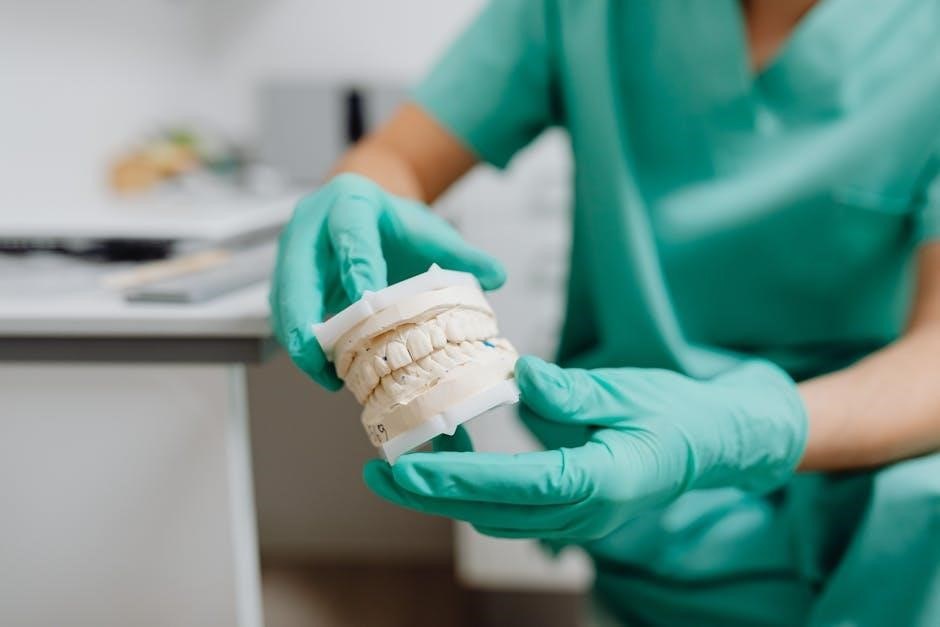
A physical surgical guide, fabricated based on this digital plan, is then used during the actual surgery. This guide fits securely over the patient’s jaw, directing the drill and ensuring the implants are placed exactly as planned, minimizing deviations and maximizing precision. It’s a proactive approach to implant placement.
The Role of 3D Imaging (CBCT)
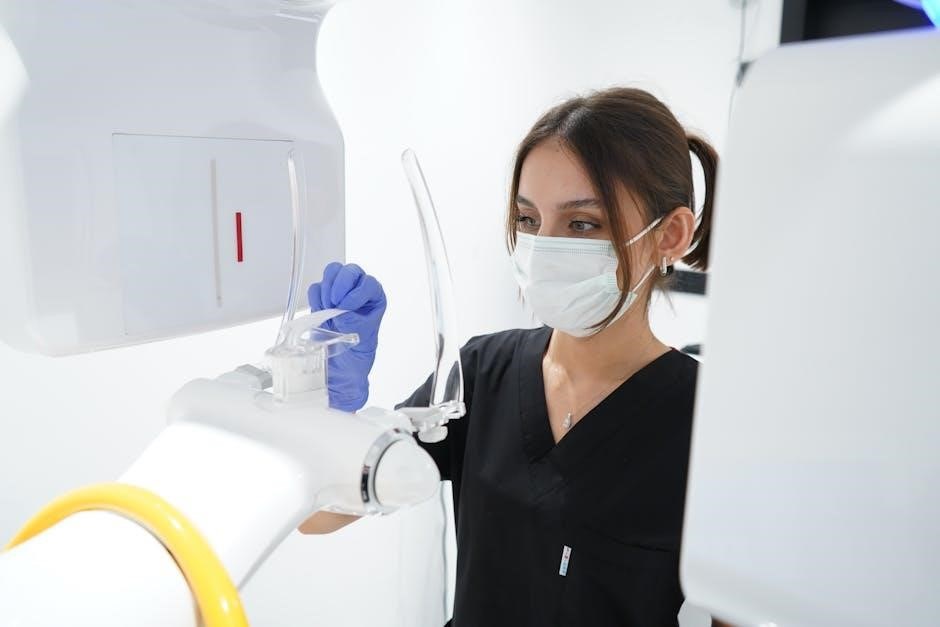
Cone Beam Computed Tomography (CBCT) is fundamental to computer-guided implant surgery. Unlike traditional X-rays, CBCT provides a three-dimensional representation of the patient’s jawbone, teeth, and surrounding structures. This detailed imaging allows clinicians to accurately assess bone volume, identify critical anatomical landmarks like nerves and sinuses, and plan implant placement with exceptional precision.
CBCT scans eliminate guesswork, revealing the ideal implant sites and minimizing the risk of complications. The data acquired forms the basis for the digital treatment planning process, ensuring a predictable and successful outcome.
Digital Treatment Planning Software
Digital treatment planning software utilizes the CBCT data to create a virtual environment for implant placement. Dentists can virtually position implants, assessing factors like angulation, depth, and proximity to vital structures. This allows for optimal prosthetic outcomes and minimizes potential surgical risks.
Sophisticated algorithms simulate bone density and stress distribution, aiding in implant selection and ensuring long-term stability. The software facilitates collaboration and communication, enhancing treatment predictability and patient satisfaction.
Benefits of Guided Surgery
Guided surgery delivers superior accuracy, reduced risks, and improved comfort for patients receiving dental implants. It minimizes invasiveness and optimizes outcomes.
Increased Precision and Accuracy
Guided surgery significantly enhances the precision of dental implant placement. Utilizing pre-operative 3D imaging, like CBCT scans, and digital treatment planning software, surgeons can visualize the ideal implant position with remarkable accuracy. This minimizes deviations from the planned placement, reducing the potential for errors.
Surgical guides, fabricated from these digital plans, act as a stencil, directing drill placement. This leads to more predictable outcomes, especially in areas with limited bone volume or critical anatomical structures, ultimately improving long-term implant success rates.
Reduced Surgical Risks
Guided surgery for dental implants demonstrably lowers several surgical risks. Precise planning minimizes the chance of damaging vital structures like nerves and sinuses. The use of surgical guides restricts drill depth and angle, preventing perforation or impingement.
Furthermore, the less invasive nature of guided procedures often results in reduced bleeding and swelling. This is particularly beneficial for patients with systemic conditions or those on anticoagulant medications, contributing to a safer and more predictable surgical experience.
Minimized Invasive Procedures
Guided surgery in dental implant dentistry facilitates significantly less invasive procedures. Pre-surgical planning allows for flapless techniques, eliminating the need for extensive gum incisions and subsequent suturing. This approach preserves more natural tissue, promoting faster healing and reduced post-operative discomfort.
Smaller incisions also translate to a decreased risk of infection and improved aesthetic outcomes. The precision offered by surgical guides allows for targeted bone preparation, minimizing trauma to surrounding tissues.
Improved Patient Comfort
Guided surgery for dental implants demonstrably enhances patient comfort throughout the entire process. The precision of pre-planned implant placement reduces surgical time and trauma, leading to less post-operative pain and swelling. Minimally invasive techniques, often utilizing flapless approaches, further contribute to a gentler experience.
Patients often report quicker recovery times and reduced reliance on pain medication. The predictability of the procedure also alleviates anxiety associated with traditional implant surgery.
The Guided Surgery Process: A Step-by-Step Guide
Guided implant surgery involves detailed planning, CBCT scans, virtual placement, surgical guide creation, and precise implant delivery for optimal results.
Initial Consultation and Assessment
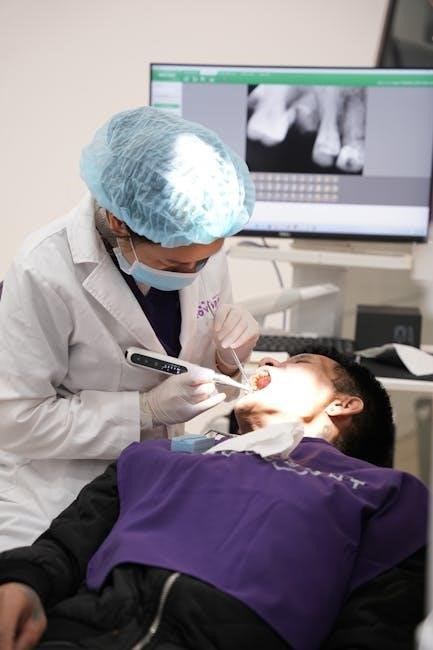
The first step involves a comprehensive evaluation of your oral health, including a review of your medical history and a thorough clinical examination. This assessment determines your suitability for dental implants and guided surgery. Dentists will discuss your goals, expectations, and any concerns you may have regarding the procedure. A detailed examination assesses bone density and volume, crucial for implant stability. Digital impressions or traditional molds capture your jaw’s structure, initiating the planning phase. This initial phase is vital for creating a personalized treatment plan tailored to your specific needs, ensuring a successful outcome with guided implant placement.
CBCT Scan and Data Acquisition
A Cone Beam Computed Tomography (CBCT) scan is paramount in guided surgery, providing a detailed three-dimensional image of your jawbone. This scan accurately maps bone density, nerve locations, and existing anatomical structures. The acquired data is then digitally imported into specialized planning software. Precise measurements are taken to determine optimal implant placement positions, avoiding vital structures. High-resolution imaging ensures accurate virtual implant planning, minimizing surgical risks. Data acquisition forms the foundation for creating a patient-specific surgical guide, enhancing precision and predictability throughout the implant process.
Treatment Planning and Virtual Implant Placement
Utilizing specialized software, clinicians meticulously plan implant placement in a virtual environment. This digital workflow allows for precise angulation, depth, and positioning of each implant. The software integrates CBCT data, enabling visualization of critical anatomical structures. Virtual implants are strategically placed to optimize function and aesthetics. Potential risks are identified and mitigated during this planning phase. Treatment planning ensures optimal prosthetic outcomes and minimizes post-operative complications. This step is crucial for creating a customized surgical guide tailored to the patient’s unique anatomy.
Surgical Guide Design and Fabrication
Based on the virtual plan, a surgical guide is designed with precision. CAD/CAM technology is employed to create a highly accurate physical guide. The guide features sleeves that dictate drill direction and depth, ensuring accurate implant placement. Material selection is crucial, with options ranging from biocompatible resins to metals. Fabrication involves 3D printing or milling processes. The final guide precisely fits the patient’s mouth, guiding instruments during surgery. Accuracy is paramount, guaranteeing predictable results and minimizing deviations from the planned treatment.
Implant Placement Using the Surgical Guide
With the guide securely seated, the dentist initiates the implant placement. Drills are guided through the sleeves, establishing the precise osteotomy. This ensures accurate depth and angulation, mirroring the virtual plan. The implant is then carefully inserted, benefiting from the guide’s stability. Guided surgery minimizes bone trauma and soft tissue damage. Real-time adjustments are possible, though typically unnecessary with a well-designed guide. The process is efficient and predictable, leading to improved clinical outcomes and enhanced patient satisfaction.
Components of a Surgical Guide
Surgical guides feature biocompatible materials and precisely designed sleeves. These sleeves dictate drill angulation and depth, ensuring accurate implant placement during procedures.
Guide Material Options
Surgical guide materials vary, impacting precision and cost. Polyether ether ketone (PEEK) is popular for its biocompatibility and radiolucency, allowing clear visualization during CBCT scans. Acrylic resins offer affordability and ease of fabrication, suitable for simpler cases. Titanium provides exceptional stability and durability, ideal for complex, full-arch reconstructions. Resorbable materials are emerging, eliminating the need for a second surgery to remove the guide. Material selection depends on the complexity of the case, desired accuracy, and the clinician’s preference, balancing functionality with budgetary considerations.
Sleeve Design and Function
Surgical guide sleeves are crucial for accurate implant angulation and depth. These precisely engineered channels accommodate the drill, ensuring it enters the bone at the pre-planned position. Sleeve designs range from simple, single-use options to more complex, multi-unit sleeves for multiple implants. Their length dictates drill stability, while internal diameter matches the drill size. Proper sleeve fit minimizes play, maximizing precision. Sleeves act as a physical barrier, preventing deviations during osteotomy preparation, ultimately guiding the implant placement.
Pilot Drill Compatibility
Pilot drill compatibility is paramount for successful guided surgery. Surgical guides must precisely accommodate the manufacturer’s specified drill diameter and length. Incorrect matching leads to binding, inaccurate osteotomies, and potential guide fracture. Implant systems often utilize unique drill designs, demanding corresponding sleeve internal diameters. Dentists must verify drill-to-sleeve fit before commencing the procedure. Utilizing the correct pilot drill ensures smooth, controlled bone preparation, maintaining the planned implant position and minimizing surgical risks.
Advanced Technologies in Guided Surgery
Intraoral scanners, CAD/CAM, and navigation systems elevate guided surgery. These innovations enhance precision, streamline workflows, and improve dental implant outcomes.
Intraoral Scanners for Digital Impressions
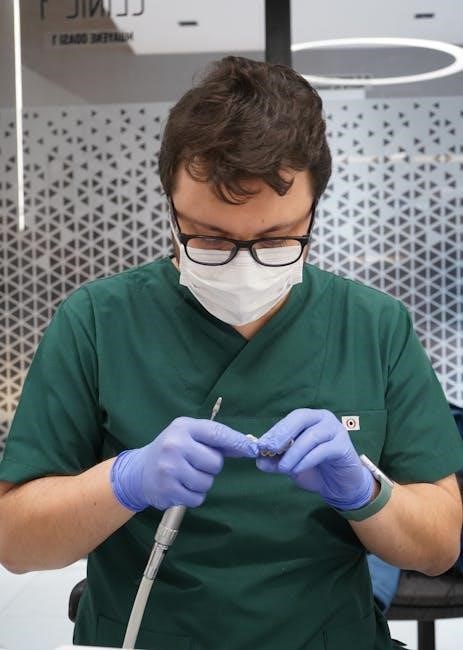
Intraoral scanners represent a significant leap forward in guided surgery for dental implants, replacing traditional, often messy, impression materials. These handheld devices capture highly accurate digital models of the patient’s mouth directly, eliminating the need for physical impressions. This digital workflow enhances comfort for the patient and streamlines the process for the dental team.
The resulting digital impressions are then seamlessly integrated into CAD/CAM software for treatment planning and surgical guide design. This technology minimizes distortion and allows for precise visualization of the oral anatomy, crucial for accurate implant placement. Ultimately, intraoral scanning contributes to improved predictability and successful outcomes.
CAD/CAM Technology in Guide Fabrication
CAD/CAM (Computer-Aided Design/Computer-Aided Manufacturing) technology is central to fabricating precise surgical guides for guided dental implant procedures. After digital treatment planning, the designed guide is milled or 3D-printed from biocompatible materials with exceptional accuracy. This automated process minimizes human error and ensures a perfect fit, crucial for guiding the implant drill.
CAD/CAM allows for the creation of complex guide designs, accommodating various clinical scenarios. The resulting guides ensure implant placement aligns perfectly with the pre-operative plan, enhancing predictability and reducing surgical risks. This technology is a cornerstone of modern guided surgery.
Navigation Systems for Real-Time Guidance
Navigation systems elevate guided dental implant surgery by providing real-time feedback during the procedure. These systems utilize optical or electromagnetic tracking to display the drill’s position relative to the planned implant site on a computer screen. This dynamic guidance ensures adherence to the digital treatment plan, even with unforeseen anatomical variations.
Navigation enhances accuracy and safety, allowing surgeons to make adjustments during surgery. It’s particularly valuable in complex cases or when immediate implant placement is performed, offering a higher degree of control and predictability throughout the entire process.
Applications of Guided Surgery
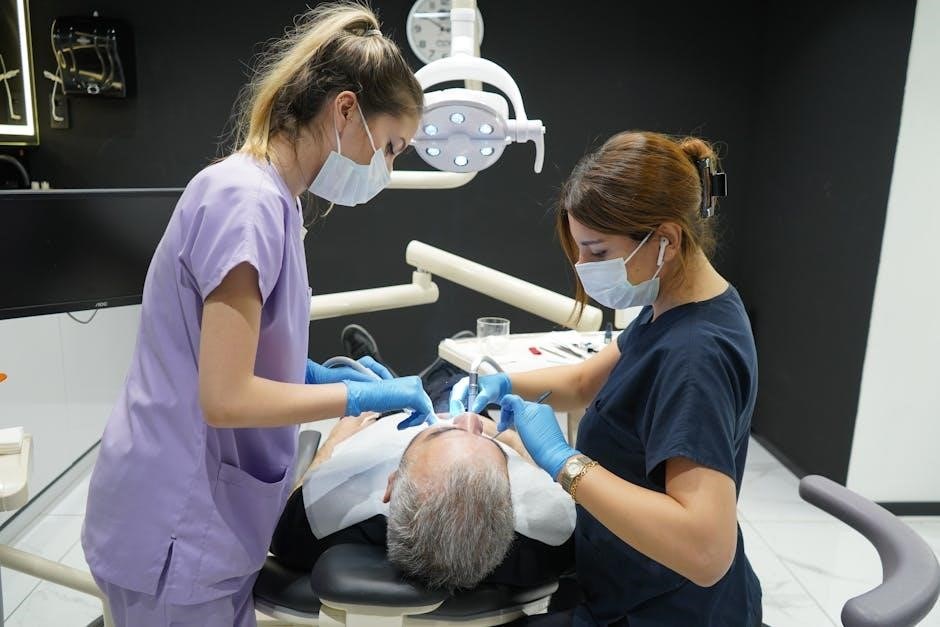
Guided surgery suits diverse dental implant cases – from single tooth replacement to full-arch reconstructions and immediate implant procedures, ensuring precision.
Single Tooth Implants
Guided surgery excels in single tooth implant scenarios, providing unparalleled accuracy for optimal aesthetic and functional results. Utilizing precise surgical guides, dentists can meticulously place the implant, avoiding vital anatomical structures like nerves and sinuses. This minimizes risks and promotes faster healing. The digital workflow ensures the final restoration seamlessly integrates with surrounding teeth, offering a natural-looking and long-lasting solution. Computer-aided planning allows for customized implant positioning, maximizing bone support and achieving predictable outcomes, even in challenging cases where bone volume is limited.
Multiple Tooth Implants
Guided surgery significantly benefits multiple tooth implant cases, streamlining complex procedures and enhancing predictability. Digital planning allows for precise angulation and depth control for each implant, ensuring optimal prosthetic support. Surgical guides facilitate accurate placement, minimizing the risk of cross-arch interference and maximizing bone utilization. This approach reduces surgical time and post-operative complications. The ability to visualize the final restoration pre-operatively ensures a functional and aesthetically pleasing outcome, restoring a confident smile and chewing efficiency.
Full-Arch Implant Reconstruction
Guided surgery is transformative for full-arch implant reconstruction, offering unparalleled precision in complex cases. Utilizing 3D imaging and digital planning, dentists can meticulously plan implant placement to support a full set of prosthetic teeth. Surgical guides ensure accurate angulation and depth, vital for optimal load distribution and long-term stability. This minimizes surgical risks and reduces recovery time, leading to predictable, functional, and aesthetically superior results. It’s a pathway to restoring complete smiles and oral function.
Immediate Implant Placement
Guided surgery significantly enhances the success rate of immediate implant placement, where implants are placed simultaneously with tooth extraction. Precise surgical guides, designed from CBCT scans, ensure accurate implant positioning in fresh extraction sockets. This minimizes bone resorption and preserves soft tissue contours, leading to improved aesthetics and faster healing. The technique reduces the number of surgical procedures, offering patients a more efficient and comfortable experience, ultimately optimizing functional and cosmetic outcomes.
Comparing Guided Surgery to Conventional Implant Surgery
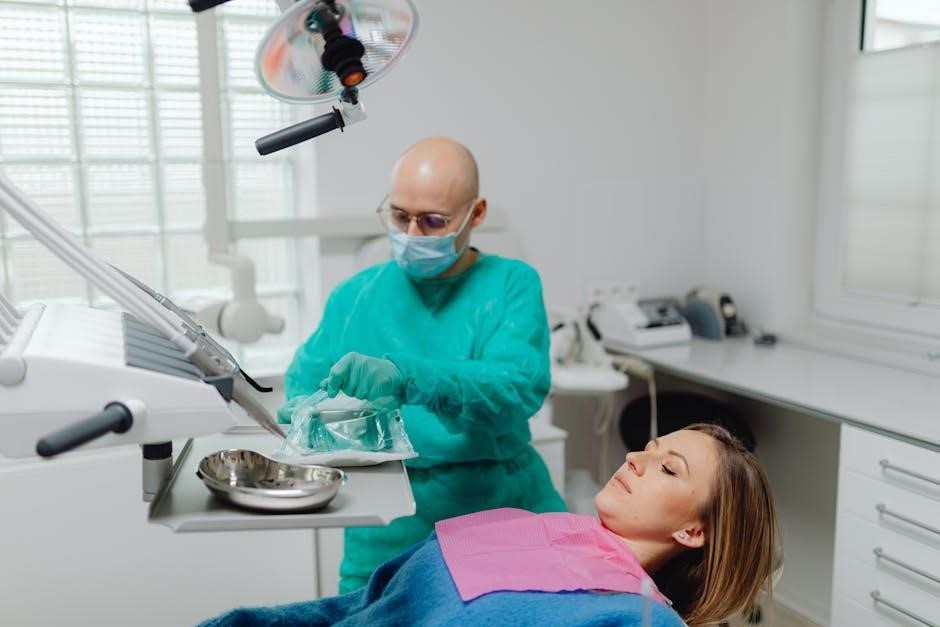
Guided surgery demonstrates superior accuracy and potentially reduced surgical times compared to conventional methods. Post-operative complications may also be minimized with precise planning.
Accuracy Comparison
Numerous studies highlight the increased accuracy of computer-guided implant surgery. Conventional methods rely heavily on the surgeon’s experience and visual assessment, introducing potential for deviation. Guided surgery, utilizing pre-operative 3D imaging like CBCT scans, allows for virtual planning and the creation of surgical guides.
These guides ensure the implant is placed at the precisely planned angle and depth, minimizing discrepancies. Research indicates significantly smaller deviations from the planned position with guided surgery, leading to more predictable and aesthetically pleasing results. This enhanced precision is particularly crucial in areas with limited bone volume or anatomical complexities.
Surgical Time Comparison
Initial surgical time can sometimes be longer with guided surgery due to the planning and guide fabrication phases. However, the actual implant placement phase often proves more efficient. The surgical guide streamlines the procedure, reducing the need for extensive osteotomies and adjustments during surgery.
Conventional methods may require more intraoperative decision-making and potentially longer drilling sequences. Ultimately, guided surgery can lead to a reduction in overall treatment time, especially in complex cases, by minimizing complications and the need for corrective measures.
Post-Operative Complications
Guided surgery generally demonstrates a lower incidence of post-operative complications compared to conventional implant surgery. Precise implant placement minimizes trauma to surrounding tissues, reducing swelling, bruising, and pain. The use of surgical guides also lessens the risk of nerve damage or sinus perforation.
However, complications can still occur, such as infection or implant failure. Careful patient selection, meticulous surgical technique, and adherence to post-operative instructions are crucial for optimal healing and long-term success.
Potential Limitations and Considerations
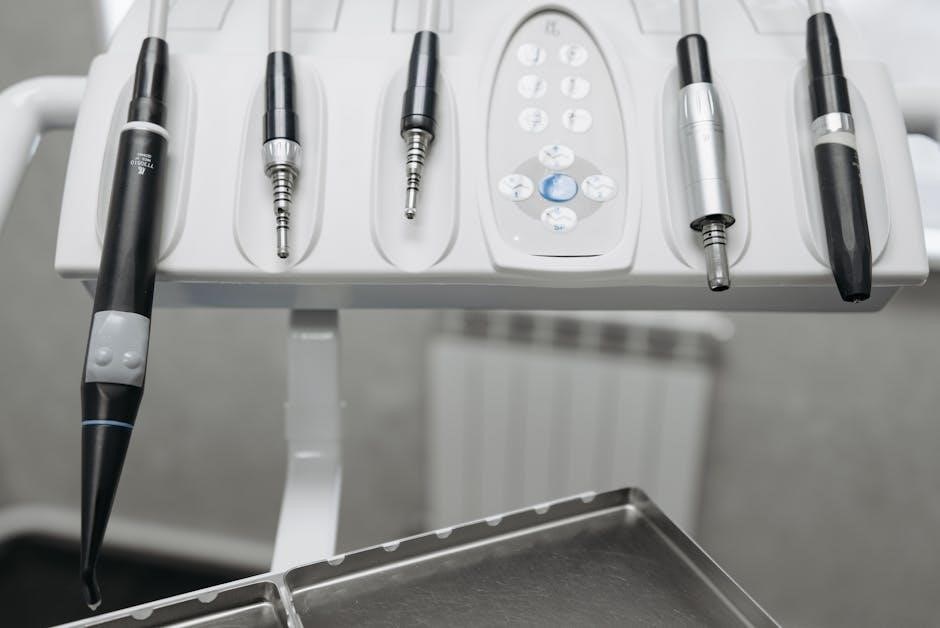
Guided surgery requires significant upfront investment in technology and dentist training. Accurate imaging is vital; deviations can compromise precision and treatment planning.
Cost of Technology
The initial investment for implementing guided surgery is substantial. This encompasses the cost of a Cone Beam Computed Tomography (CBCT) scanner, essential for detailed 3D imaging of the jawbone. Furthermore, specialized digital treatment planning software licenses represent a significant expense.
Fabricating surgical guides themselves also adds to the overall cost, varying based on material and complexity. While the long-term benefits often outweigh these expenses, patients should be aware of the higher upfront financial commitment compared to conventional implant procedures.
Learning Curve for Dentists
Adopting guided surgery requires a dedicated learning commitment from dentists. Mastering the intricacies of 3D imaging interpretation, digital treatment planning software, and surgical guide utilization demands specialized training and continuing education.
Proficiency isn’t immediate; a gradual build-up of experience is crucial for predictable results. Dentists must become comfortable integrating this technology into their existing surgical workflows, potentially requiring mentorship and hands-on courses.
Dependence on Accurate Imaging
Guided surgery’s success hinges on the quality of initial 3D imaging, specifically Cone Beam Computed Tomography (CBCT) scans. Inaccurate scans, due to patient movement or insufficient resolution, directly translate to poorly fitting surgical guides and compromised implant placement.
Precise bone density assessment and anatomical landmark identification are vital. Any discrepancies in the imaging data cascade through the entire process, potentially negating the benefits of guided techniques.
The Future of Guided Surgery
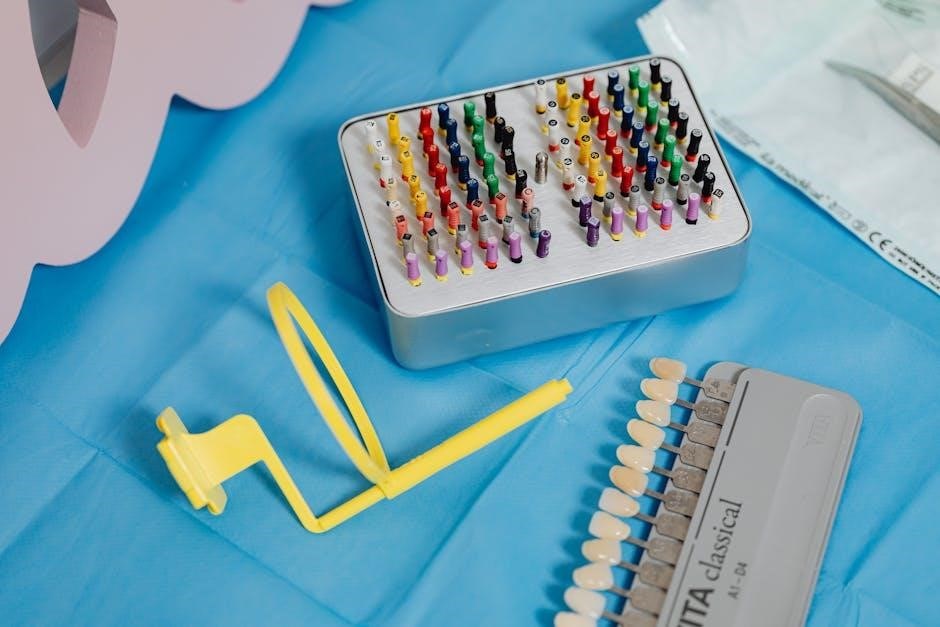
Future advancements include AI integration for enhanced planning, robotic assistance for precise execution, and personalized guides tailored to individual anatomy for dental implants.
Integration with Artificial Intelligence
Artificial intelligence (AI) is poised to dramatically reshape guided surgery for dental implants. AI algorithms can analyze vast datasets of CBCT scans and patient data to predict optimal implant placement with unprecedented accuracy. This includes identifying critical anatomical structures and potential risks, automating treatment planning, and even customizing surgical guide designs.
Furthermore, AI can assist in real-time during surgery, providing surgeons with dynamic guidance and feedback. Machine learning models can continuously refine their predictions based on intraoperative data, leading to even more precise and predictable outcomes. This integration promises to minimize surgical errors and improve long-term implant success rates;
Robotic-Assisted Implant Surgery
Robotic-assisted implant surgery represents the next frontier in precision dentistry, building upon the foundation of guided surgery. These systems utilize robotic arms controlled by surgeons to execute pre-planned implant placements with exceptional accuracy and stability. Robots can overcome limitations in human dexterity and access challenging anatomical locations.
The integration of robotics with guided surgery enhances safety by minimizing the risk of deviation from the planned trajectory. This technology allows for consistent and repeatable procedures, potentially reducing surgical time and improving patient outcomes. Expect increased adoption as robotic systems become more refined and accessible.
Personalized Surgical Guides
Personalized surgical guides are evolving beyond standardized designs, leveraging advanced materials and manufacturing techniques. Future guides will incorporate patient-specific anatomical variations with greater detail, optimizing implant placement for individual bone density and soft tissue contours. This customization extends to guide flexibility and adaptation to complex surgical sites.
Artificial intelligence will play a crucial role in designing these guides, analyzing vast datasets to predict optimal implant positions and guide designs. Expect guides tailored to specific implant systems and surgical protocols, maximizing precision and minimizing potential complications for each patient.
Choosing a Qualified Provider
Selecting an experienced provider is crucial for successful guided implant surgery. Look for extensive training, advanced technology, and positive patient testimonials for optimal results.
Experience and Training
Prioritize dentists with significant experience specifically in computer-guided implant surgery. This isn’t simply about implant placement generally, but mastery of the digital workflow. Look for post-graduate training and continuing education focused on 3D imaging, treatment planning software, and surgical guide fabrication.
A qualified provider should demonstrate a deep understanding of the technology and its nuances. Inquire about the number of guided cases they’ve performed and their success rates. Certification or affiliation with leading implant organizations can also indicate a commitment to excellence and ongoing professional development.
Technology and Equipment
Essential technology includes a CBCT scanner for detailed 3D imaging, and sophisticated digital treatment planning software. The practice must also have the capability to fabricate or outsource high-quality surgical guides, ideally utilizing CAD/CAM technology.
Furthermore, assess if the practice offers intraoral scanners for digital impressions, enhancing precision and patient comfort. A well-equipped office demonstrates a commitment to utilizing cutting-edge tools for predictable and successful guided implant procedures, ensuring optimal outcomes.
Patient Reviews and Testimonials
Positive patient experiences are crucial when evaluating a provider for guided surgery. Seek out detailed reviews highlighting successful implant placements, minimal discomfort, and clear communication throughout the process.
Look for testimonials specifically mentioning the benefits of the guided approach – increased accuracy, reduced healing time, and improved aesthetic results. Authentic feedback provides valuable insight into the provider’s skill and commitment to patient satisfaction, building confidence in your decision.