Miami Fruit Ripening Guide: An Overview
Navigating Miami’s diverse fruit landscape requires understanding seasonal availability and ripening cues, as environmental factors significantly influence harvest times and quality.
Utilize resources like the University of Florida Extension and the Florida Department of Agriculture for up-to-date seasonality guides and fruiting calendars.
Remember that precise ripening times are estimates, and checking current availability lists or subscribing to newsletters provides the most accurate information for enjoying fresh, local produce.
Fruiting calendars, produce availability charts, and monthly fruit season guides are invaluable tools for maximizing your enjoyment of Miami’s bounty.
Understanding Miami’s Unique Climate for Fruit
Miami’s subtropical climate presents a unique environment for fruit cultivation, characterized by warm temperatures, high humidity, and distinct wet and dry seasons. This combination allows for a remarkably extended growing season, supporting a diverse range of tropical and subtropical fruits not commonly found elsewhere in the United States.
The region’s consistent warmth minimizes the risk of frost damage, crucial for sensitive crops like mangoes and avocados. However, high humidity can foster fungal diseases, necessitating careful orchard management and disease prevention strategies. Rainfall patterns, particularly during the summer months, significantly impact fruit development and ripening, influencing sugar content and overall quality.
Miami-Dade County, in particular, benefits from a microclimate influenced by the proximity to the ocean, moderating temperatures and providing essential moisture. Understanding these climatic nuances is paramount for successful fruit production and accurately predicting harvest times. Growers and consumers alike must adapt to the variability inherent in Miami’s tropical environment.
Seasonal shifts and environmental factors play a critical role in determining fruit availability and ripening processes throughout the year.
Seasonal Fruit Availability in Miami
Miami’s year-round warmth yields a continuous succession of ripening fruits, categorized into spring, summer, fall, and winter seasons, each offering unique flavors and harvests.
Spring Fruits (March ‒ May)
Spring in Miami bursts with the arrival of mangoes, a highly anticipated season for both residents and visitors. Numerous mango varieties ripen during these months, each possessing distinct flavor profiles and textures, requiring careful monitoring for peak sweetness.
Pineapples also reach their prime in spring, signaling readiness through a fragrant aroma and a slight give when gently squeezed. Harvesting at the correct stage ensures optimal flavor and juiciness.
Other fruits beginning to appear include atemoya and black sapote, offering unique tropical tastes.
Understanding the specific ripening times for each mango cultivar is crucial, as they can vary significantly. Local resources and agricultural extensions provide detailed calendars to guide harvesting decisions.
Remember that environmental factors can shift these timelines, so regular observation and a flexible approach are key to enjoying the freshest spring fruits.
Spring’s warm temperatures and increasing sunlight contribute to rapid fruit development, making it a vibrant and flavorful season for Miami’s fruit enthusiasts.
Mango Varieties and Ripening Times
Miami boasts a stunning array of mango varieties, each with a unique ripening schedule. Tommy Atkins typically ripens earliest, from March to May, exhibiting a reddish blush when mature. Haden follows, offering a rich, sweet flavor and ripening slightly later in the spring.
Kent mangoes, known for their fiberless flesh, arrive in April-May, while Keitt, a late-season variety, extends the mango season into summer.
Identifying ripeness involves a gentle squeeze; a slight give indicates readiness. Color changes, from green to yellow or reddish hues, are helpful but not always reliable.
Fragrance is a key indicator; a sweet, fruity aroma signals peak flavor. Local growers and agricultural extensions provide detailed ripening charts specific to Miami’s climate.
Remember that ripening times can vary based on weather conditions and tree health, so consistent monitoring is essential for harvesting mangoes at their optimal sweetness and texture.
Enjoy the diverse flavors of Miami’s mango season!
Pineapple: Harvesting and Ripening Indicators
Pineapples in Miami typically ripen from late spring through summer, though availability can fluctuate. Unlike many fruits, pineapples do not continue to ripen significantly after harvesting, making proper selection crucial.
Assessing ripeness begins with color; a golden-yellow hue indicates maturity, but green pineapples can still develop sweetness.
The “shell” test is vital: gently squeeze the pineapple – a slight give suggests ripeness, while a hard shell means it needs more time.
A sweet, fragrant aroma at the base is another positive sign. Pulling a central leaf should release a slight resistance if the pineapple is ready.
Avoid pineapples with bruised or discolored skin. Local farmers markets often offer freshly harvested pineapples, providing the best chance for optimal flavor and quality.
Enjoy the tropical sweetness of a perfectly ripe Miami pineapple!
Summer Fruits (June ‒ August)
Miami summers burst with a vibrant array of tropical fruits, offering a delightful peak season for many varieties. June through August marks the height of the season for lychee and longan, both requiring careful attention to ripening.
This period also showcases the diverse avocado season in Miami-Dade County, with different cultivars ripening throughout the summer months.
Lychees and longans transition from green to a vibrant red hue when ripe, becoming slightly soft to the touch.
Avocado ripeness varies by type; Haas avocados darken and yield to gentle pressure, while other varieties may remain green but soften.
Enjoy the abundance of these summer treasures, exploring local markets for the freshest picks!
Remember to check specific variety guides for optimal harvesting and ripening indicators.
Lychee and Longan: Peak Season and Ripening Process
Lychee and longan thrive in Miami’s humid summers, reaching their peak season between June and August. Both fruits begin as green, hard spheres, gradually transforming as they mature.
The ripening process is signaled by a change in skin color; lychees develop a vibrant red hue, while longans turn a brownish-yellow.
A gentle squeeze reveals ripeness, as both fruits should yield slightly to pressure. Avoid those that are overly soft or show signs of bruising.
Harvesting should be done carefully, preserving the delicate skin.
Once picked, lychees and longans don’t ripen further, so selecting fruits with the proper color and texture is crucial.
Enjoy their sweet, floral flavor fresh, or incorporate them into desserts and beverages!
Avocado Seasonality in Miami-Dade County
Miami-Dade County enjoys a prolonged avocado season, with multiple varieties offering fruit from summer through winter. However, peak availability generally spans from June to November.
Several avocado types flourish locally, including Hass, Choquette, and Monroe, each with unique ripening characteristics.
Determining ripeness relies on color and firmness; Hass avocados darken to nearly black, while Choquette and Monroe remain green even when ripe.
A gentle palm pressure test is key – the fruit should yield slightly, but not feel mushy.
Harvesting avocados is tricky, as they don’t ripen on the tree.
Allowing harvested fruit to ripen at room temperature ensures optimal flavor and texture, making them perfect for salads, guacamole, or simply enjoyed on toast.
Fall Fruits (September ‒ November)
Fall in Miami brings a delightful transition in fruit availability, showcasing the bounty of the late growing season. This period is particularly rich in citrus and tropical delights.
Grapefruit, oranges, and tangerines reach peak ripeness, offering vibrant flavors and essential vitamins. Look for heavy fruits with smooth, brightly colored skin.
Guava and papaya also mature during these months, presenting unique textures and sweet aromas. Guava transitions from green to yellow, while papaya develops an orange hue.
Atemoya, black sapote, and cacao are also available in November, adding exotic options to the seasonal mix.
Passionfruit and rambutan offer unique flavors, while sapodilla provides a caramel-like sweetness.
Enjoy the diverse flavors of fall, supporting local growers and savoring the freshest produce Miami has to offer.
Citrus Fruits: Grapefruit, Oranges, and Tangerines
Miami’s fall season is synonymous with vibrant citrus fruits, offering a burst of sunshine in every bite. Grapefruit, oranges, and tangerines thrive in the warm climate, reaching peak ripeness from September to November.
Identifying ripe grapefruit involves selecting heavy fruits with smooth, yellow skin and a slight give when gently pressed. Oranges should feel firm and have a deep orange color.
Tangerines are recognized by their loose skin and sweet aroma. A slight flattening at the stem end often indicates ripeness.
These fruits are excellent sources of Vitamin C and antioxidants, boosting immunity and overall health.
Enjoy them fresh, juiced, or incorporated into delicious recipes, celebrating the flavors of the season.
Local farmers markets and roadside stands provide access to the freshest, locally grown citrus.
Guava and Papaya: Ripening Stages
Guava and papaya, fall staples in Miami, exhibit distinct ripening stages that signal peak flavor and texture. Guavas transition from green to yellow, becoming slightly soft to the touch and releasing a fragrant aroma when ripe.
Papayas change from green to yellow-orange, developing a slightly yielding texture. A gentle press near the stem end will reveal ripeness.
Unripe guavas are hard and tart, while ripe ones are sweet and aromatic. Similarly, unripe papayas are firm and bland, transforming into a sweet, buttery delight when fully mature.
These tropical fruits are rich in vitamins, minerals, and enzymes, offering numerous health benefits.
Enjoy guavas fresh, in juices, or as jams, and papayas in smoothies, salads, or simply on their own.
Local markets offer a variety of guava and papaya cultivars, each with unique flavor profiles.
Winter Fruits (December ‒ February)
Miami’s winter months offer a unique selection of fruits, providing a refreshing contrast to the warmer season’s bounty. Star fruit (carambola) becomes readily available, showcasing its distinctive star shape and tangy-sweet flavor.
Sugarcane also reaches peak readiness during this period, offering a natural sweetness perfect for juices and treats.
Star fruit transitions from green to yellow with slight brown edges, indicating ripeness. Sugarcane is harvested when the stalks are mature and fully developed, exhibiting a high sugar content.
These winter fruits provide essential nutrients and a taste of the tropics during the cooler months.
Local farmers’ markets are excellent sources for fresh, locally grown star fruit and sugarcane, supporting sustainable agriculture.
Enjoy star fruit in salads or as a garnish, and sugarcane freshly pressed into juice.
Star Fruit (Carambola) Availability
Star fruit, or carambola, graces Miami’s fruit scene primarily during the winter months, typically from December through February, though availability can sometimes extend slightly.
This visually striking fruit is known for its distinctive five-pointed star shape when sliced, and its refreshing, slightly tart flavor.
Locally grown star fruit is often found at farmers’ markets and specialty produce stands throughout Miami-Dade County during its peak season.
Look for fruits that are firm yet yield slightly to gentle pressure, with a vibrant yellow color – a sign of optimal ripeness.
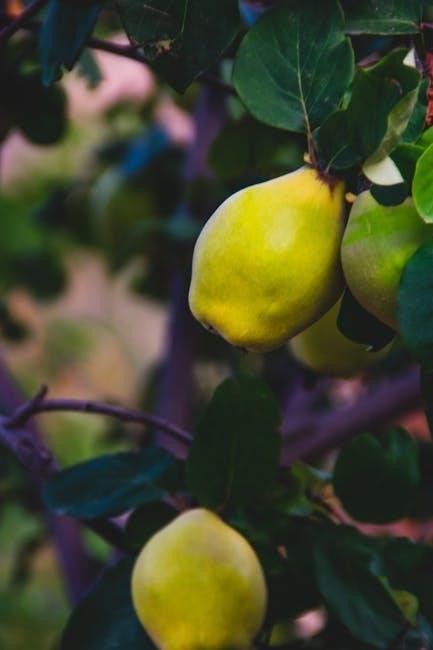
Slightly browned edges are also acceptable and indicate sweetness, but avoid fruits with significant bruising or blemishes.
Star fruit’s availability can vary based on weather conditions and specific growing locations, so checking with local growers is recommended.
Sugarcane: Harvesting and Readiness
Sugarcane in Miami experiences its prime harvesting season during the winter months, generally spanning from December to February, capitalizing on cooler temperatures and reduced rainfall.
Determining readiness isn’t based on color change, but rather maturity indicated by stalk diameter and sugar content, typically taking 9-12 months to mature.
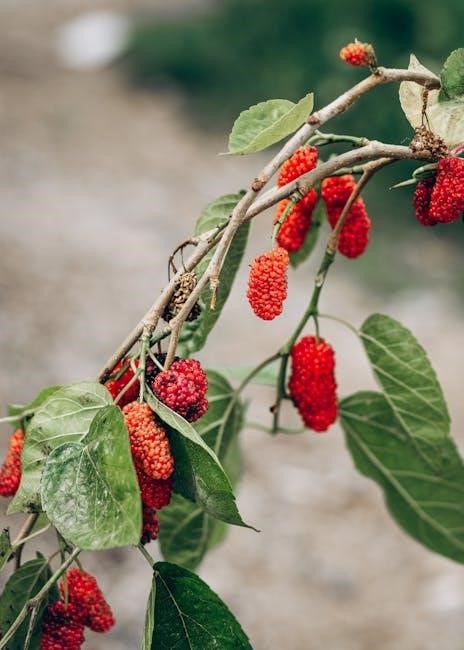
Harvesting involves cutting the mature stalks close to the ground, often done manually for smaller-scale operations, or mechanically in larger fields.
A mature sugarcane stalk will be thick and firm, with a noticeable waxiness on the surface.
Experienced growers assess readiness by tasting a small piece of the cane, looking for a high sugar concentration and minimal fibrousness.
Freshly harvested sugarcane is best consumed or processed quickly to maximize its sweetness and prevent sugar loss.
Factors Affecting Fruit Ripening
Miami’s subtropical climate presents unique ripening challenges, with temperature, humidity, and rainfall playing crucial roles in fruit development and overall quality.
Environmental conditions significantly impact the timing and success of achieving optimal ripeness for a diverse range of tropical and subtropical fruits.
Temperature and Humidity’s Impact
Miami’s consistently warm temperatures accelerate the ripening process for many fruits, but extreme heat can also lead to premature softening or sunscald. Maintaining optimal temperatures is crucial; fluctuations can disrupt ethylene production, a key hormone regulating ripening.
High humidity levels, common in South Florida, can influence fruit texture and susceptibility to fungal diseases, potentially impacting ripening quality. Proper air circulation is vital to mitigate these effects, preventing spoilage and ensuring even ripening.
Different fruits have varying temperature and humidity preferences. For example, mangoes thrive in warm, humid conditions, while citrus fruits benefit from slightly drier air. Understanding these specific needs is essential for successful ripening and storage. Monitoring weather patterns and adjusting practices accordingly will yield the best results.
Rainfall and its Influence on Fruit Development
Miami’s abundant rainfall plays a significant role in fruit development, providing essential hydration for cell expansion and sugar accumulation. However, excessive rainfall, particularly during flowering and fruit set, can hinder pollination and promote fungal diseases, negatively impacting ripening.
Consistent moisture is vital for optimal fruit size and quality, but periods of drought can stress trees, leading to smaller fruits with reduced sugar content. Well-drained soil is crucial to prevent root rot and ensure healthy fruit development, even during heavy rains.
Rainfall patterns also influence the timing of fruit seasons. A particularly wet season might delay ripening, while a drier season could accelerate it. Monitoring rainfall and adjusting irrigation practices accordingly is key to maximizing fruit quality and yield.
Identifying Ripeness: A Visual Guide
Assessing fruit ripeness involves observing color changes, checking texture for appropriate firmness, and understanding variety-specific indicators for peak flavor and quality.
Color Changes as Indicators of Ripeness
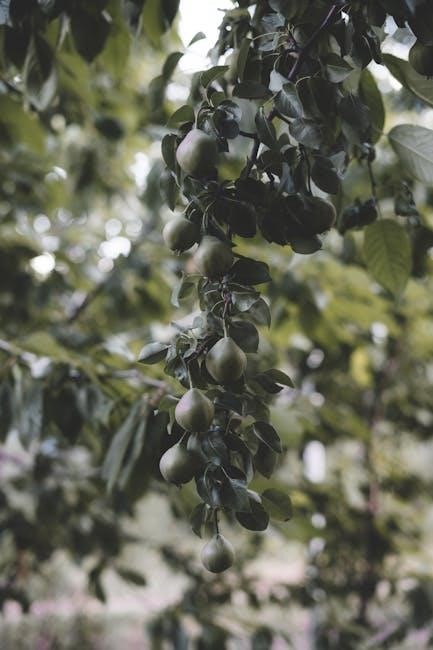
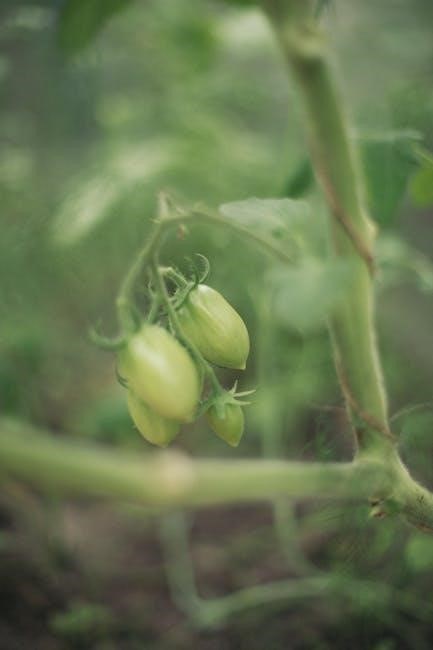
Observing color transformations is a fundamental technique for determining fruit ripeness in Miami’s diverse climate. Generally, a shift from green indicates chlorophyll breakdown as sugars develop, signaling readiness for consumption.
However, color changes vary significantly between fruit types. For mangoes, a blush of red or yellow often appears, though this isn’t always a reliable indicator – feel for slight give. Pineapples transition from a dull green to a golden-yellow hue, and avocados darken from bright green to nearly black, depending on the variety.
Citrus fruits like oranges and tangerines become more vibrant in color as they ripen, while guavas shift from green to yellow or pink. It’s crucial to remember that color alone isn’t definitive; combine visual assessment with texture and firmness checks for accurate results. Consider the specific fruit and its expected color progression for the best judgment.
Texture and Firmness Checks
Complementing visual assessment, evaluating texture and firmness provides crucial insights into a fruit’s ripeness in Miami’s warm climate. Gentle pressure is key – avoid squeezing, which can cause bruising.
Ripe mangoes yield slightly to gentle pressure, while pineapples should have a firm, yet giving texture. Avocados, depending on the variety, will have a slight ‘give’ near the stem end. Citrus fruits should feel heavy for their size, indicating juiciness, and offer a slight give when pressed.
Guavas and papayas should be slightly soft to the touch, but not mushy. Remember that firmness varies; some fruits, like star fruit, remain relatively firm even when ripe. Combining texture assessment with color and aroma provides the most accurate determination of ripeness, ensuring optimal flavor and enjoyment.
Specific Fruit Ripening Techniques
Employing ethylene gas exposure or enclosing fruits in paper bags accelerates ripening, trapping the natural gas released and promoting faster softening and flavor development.
Ethylene Gas and its Role
Ethylene is a natural plant hormone crucial for fruit ripening, acting as a signaling molecule that initiates and coordinates the complex processes leading to changes in color, texture, and flavor. Many Miami-grown fruits, including mangoes, avocados, and bananas, respond strongly to ethylene exposure.
Commercially, ethylene gas is used to ripen fruits after harvest, allowing for controlled ripening and extended shelf life. However, home gardeners can leverage ethylene’s effects naturally. As fruits ripen, they release ethylene, and concentrating this gas around unripe fruit speeds up the process.
This is why placing unripe fruits in a paper bag – or alongside ethylene-producing fruits like bananas or apples – is an effective ripening technique. The bag traps the ethylene, increasing its concentration and accelerating ripening. Understanding ethylene’s role empowers informed decisions about optimizing fruit quality and enjoyment in Miami’s unique climate.
Using Paper Bags for Accelerated Ripening
Paper bags offer a simple, effective method to accelerate fruit ripening in Miami, capitalizing on the natural production of ethylene gas. This technique is particularly useful for fruits harvested slightly before peak ripeness, allowing for controlled ripening at home. The process works by trapping the ethylene gas released by the fruit itself, or by combining it with ethylene-producing companions.
To use this method, place the fruit – such as avocados, mangoes, or peaches – inside a brown paper bag. For faster results, add a ripe banana or apple, which emit higher levels of ethylene. Seal the bag loosely, allowing some air exchange, and check daily for ripeness.
Avoid using plastic bags, as they don’t allow for adequate air circulation and can lead to moisture buildup and spoilage. This technique provides a natural, convenient way to enjoy perfectly ripened Miami fruits at their peak flavor and texture.
Resources for Miami Fruit Seasonality
The University of Florida Extension and the Florida Department of Agriculture provide essential fruiting calendars and seasonal produce availability guides for Miami’s diverse fruit selection.
University of Florida Extension Services
The University of Florida (UF) Extension Services are an invaluable resource for Miami-Dade County residents seeking information on local fruit seasonality and ripening practices. They offer a wealth of research-backed data, specifically tailored to South Florida’s unique subtropical climate.
UF/IFAS Extension provides downloadable PDF guides, such as the “Estimated commercial subtropical and tropical fruit crop harvest seasons in Florida,” offering detailed timelines for various fruits. These calendars are regularly updated to reflect current growing conditions and anticipated harvest windows.
Furthermore, the Hillsborough County Extension also contributes to seasonal fruit calendars, providing a broader perspective on fruit availability across the state. Local county extension offices host workshops and seminars on fruit tree care, harvesting techniques, and proper ripening methods, empowering home gardeners and fruit enthusiasts.
Accessing these resources ensures informed decisions when selecting, harvesting, and ripening Miami’s abundant fruit varieties, maximizing flavor and nutritional value.
Florida Department of Agriculture and Consumer Services
The Florida Department of Agriculture and Consumer Services (FDACS) plays a crucial role in supporting the state’s fruit industry and providing valuable information to consumers regarding seasonal availability. They publish resources like the “Florida Produce Availability” guide, a comprehensive PDF detailing when various fruits are at their peak.
FDACS actively promotes Florida-grown produce, emphasizing the benefits of consuming locally sourced fruits. Their website offers insights into current market conditions and potential supply fluctuations, helping consumers make informed choices.
The department also regulates fruit quality and safety standards, ensuring that the produce reaching consumers meets stringent requirements. FDACS collaborates with UF/IFAS Extension to disseminate research findings and best practices for fruit production and handling.
Utilizing FDACS resources allows residents to confidently navigate Miami’s fruit season, supporting local farmers and enjoying the freshest, highest-quality produce available.