
MARSOC Training Guide: A Comprehensive Overview
MARSOC training is a rigorous, phased approach designed to forge elite special operations Marines. It begins with assessment and selection, followed by intensive individual and team-based instruction.
The program emphasizes physical conditioning, core skills, advanced tactics, language proficiency, and cultural awareness, preparing Marines for complex, global missions.
Continuous evaluation and demanding standards ensure MARSOC operators maintain peak readiness for sustained field operations and diverse deployment scenarios.
Marine Forces Special Operations Command (MARSOC) represents the Marine Corps’ contribution to the nation’s special operations forces. Established in 2006, MARSOC commands, controls, and supports Marine special operations forces, deploying globally to conduct direct action, special reconnaissance, and other specialized missions.

MARSOC operators are highly trained, adaptable Marines specializing in operating in small units within complex environments. The command focuses on building partnerships with foreign forces and providing unique capabilities unavailable through conventional warfare.
Selection and training are exceptionally demanding, ensuring only the most capable Marines earn the title of a MARSOC critical skills operator.
Eligibility Requirements
MARSOC selection demands a high caliber of Marine. Candidates must be active duty, typically E-4 through E-5 with 3-7 years of service, though exceptions exist for higher ranks. A minimum General Technical (GT) score of 105 is non-waivable, demonstrating cognitive aptitude.
Physical fitness is paramount; a minimum Physical Fitness Test (PFT) score of 225 is required, regardless of age. Only male Marines are currently eligible for selection. Candidates must possess an MOS open to lateral move and demonstrate exceptional leadership potential.
Meeting these prerequisites is the initial hurdle in a highly competitive process.
Minimum Qualifications
MARSOC hopefuls face stringent baseline requirements. A high school diploma or GED is mandatory, alongside a first-class Physical Fitness Test (PFT) score of at least 225. A General Technical (GT) score of 105 or higher is absolutely essential – waivers are not granted for this critical metric.
Candidates must be proficient in basic Marine Corps skills and demonstrate a strong service record free of disciplinary issues. They need to be fully qualified in their current Military Occupational Specialty (MOS).
These qualifications represent the foundational standards for entry.
Age and Rank Restrictions
MARSOC has specific limitations regarding age and rank. Applicants generally must be between three and seven years of service, ensuring sufficient experience but preventing excessive tenure. The rank structure primarily focuses on Enlisted Marines ranging from E-4 through E-5, offering opportunities for career progression.
While not explicitly stated as a hard limit, candidates should be within a reasonable age range to successfully complete the physically demanding training. These restrictions help maintain a balanced and effective force.
These guidelines ensure optimal performance.
The MARSOC Assessment and Selection Process
MARSOC’s assessment and selection is a demanding, multi-stage process designed to identify candidates with the aptitude and resilience for special operations. The initial phase, lasting approximately six weeks, rigorously tests physical and mental fortitude. Marines undergo intense evaluations, pushing them to their limits.
This phase screens for potential, evaluating candidates’ ability to perform under pressure, adapt to challenging environments, and demonstrate the core attributes required for success within MARSOC.
It’s a crucial filter for future operators.
Phase 1: Initial Assessment
Phase 1 of MARSOC assessment is a six-week crucible, focusing on evaluating a Marine’s potential for special operations. Candidates face relentless physical challenges, including demanding endurance courses and rigorous physical fitness tests – a minimum PFT score of 225 is required, regardless of age.
Mental acuity is also tested through complex problem-solving scenarios and evaluations of critical thinking skills. This initial screening aims to identify Marines possessing the necessary foundation for further, more specialized training.
It’s a high-attrition phase.
Individual Training Course (ITC) ⏤ Phase 2

ITC – Phase 2 builds upon the foundation established in Phase 1, dramatically increasing the intensity and complexity of training. Marines undergo intense physical conditioning, pushing their endurance and strength to the absolute limit. Core skills development focuses on advanced marksmanship, land navigation, and reconnaissance techniques.
This phase is designed to transform capable Marines into highly skilled special operators. It’s a period of significant personal and professional growth, demanding resilience, adaptability, and unwavering commitment.
Success hinges on mastering fundamental skills.
Physical Conditioning and Endurance

Physical conditioning during ITC Phase 2 is relentlessly demanding, exceeding standard Marine Corps fitness requirements. Marines engage in daily, high-intensity workouts encompassing long-distance running, obstacle courses, calisthenics, and strength training. Emphasis is placed on functional fitness, building muscular endurance and cardiovascular capacity.
The goal isn’t simply physical prowess, but cultivating mental fortitude to overcome extreme fatigue and maintain peak performance under duress. This rigorous regimen prepares operators for the physical challenges of sustained operations.
It’s about pushing beyond perceived limits.
Core Skills Development
Core skills development within ITC Phase 2 focuses on foundational abilities crucial for special operations. This includes advanced marksmanship, land navigation, patrolling techniques, and reconnaissance skills. Marines refine their ability to operate independently and as part of a team in diverse environments.

Emphasis is placed on tactical movement, communication protocols, and the application of critical thinking under pressure. These skills are honed through realistic training scenarios, preparing operators for complex operational demands.
Proficiency in these areas is paramount.
Advanced Skill Sets
Advanced skill sets build upon the core foundation, preparing Marines for specialized missions. This phase incorporates intensive training in areas like close quarters combat (CQC), emphasizing dynamic entry techniques and room clearing procedures. Specialized weapons training expands proficiency with various firearms and supporting equipment.
Marines also receive instruction in advanced surveillance, reconnaissance, and intelligence gathering methods. These skills are vital for operating effectively in complex and contested environments, enhancing operational capabilities.
Mastery is the ultimate goal.
Close Quarters Combat (CQC) Training
Close Quarters Combat (CQC) training is a cornerstone of MARSOC preparation, focusing on aggressive, decisive action in confined spaces. Marines master dynamic entry techniques, room clearing procedures, and hostage rescue scenarios. Emphasis is placed on speed, precision, and teamwork under extreme stress.
Training incorporates live-fire exercises and force-on-force simulations, replicating realistic combat conditions. Operators learn to effectively utilize cover, communication, and tactical movement to neutralize threats.
This rigorous training builds confidence and proficiency.

Specialized Weapons Training
MARSOC operators receive extensive training on a diverse array of specialized weapons systems, exceeding standard Marine Corps proficiency. This includes advanced marksmanship with precision rifles, sniper systems, and suppressed firearms. Marines become proficient in employing various optics, lasers, and aiming devices.
Training extends to crew-served weapons, grenade launchers, and breaching tools, enhancing their ability to overcome obstacles and engage targets effectively. Emphasis is placed on weapon maintenance, safety, and tactical employment in diverse operational environments.
Skill mastery is paramount.
Language and Cultural Training
MARSOC places significant emphasis on language and cultural training, recognizing its critical importance in sensitive operational environments. Marines are immersed in intensive language courses, focusing on strategically important regions and dialects. This goes beyond basic vocabulary, encompassing nuanced communication skills.
Cultural awareness training fosters understanding of local customs, traditions, and social norms, minimizing misunderstandings and building rapport with indigenous populations; Operators learn to navigate complex cultural landscapes, enhancing mission effectiveness and reducing risks.
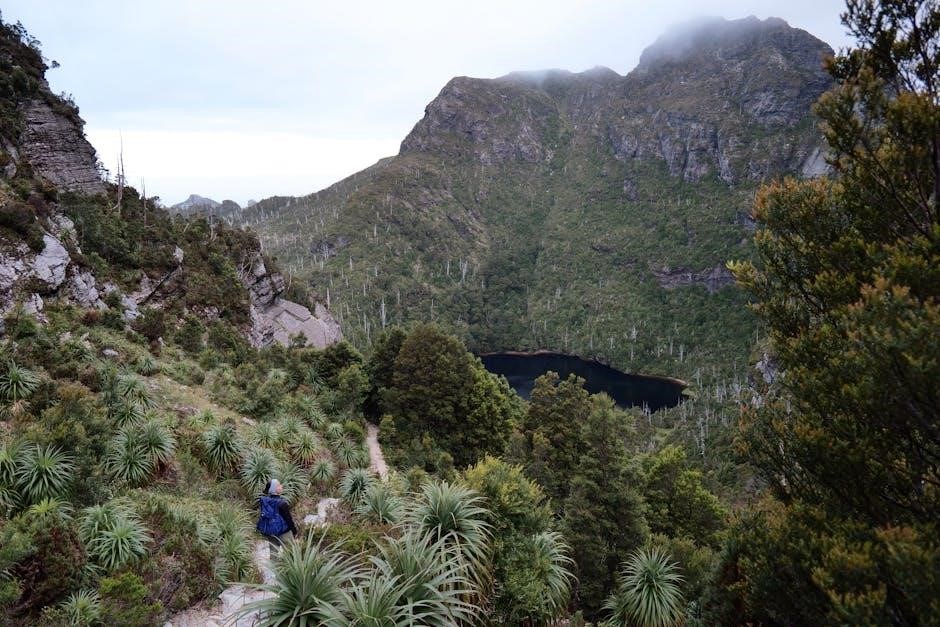
Sensitivity is key to success.
Importance of Foreign Language Proficiency
MARSOC operators require robust foreign language skills to effectively engage with local populations during deployments. Proficiency transcends simple translation; it enables nuanced understanding of intent, motivations, and potential threats. Language skills facilitate intelligence gathering, build trust with allies, and de-escalate tense situations.
Effective communication minimizes cultural misinterpretations, reducing the risk of unintended consequences. Fluency allows Marines to operate more independently and build stronger relationships with host nation forces, enhancing operational success and fostering long-term stability.
It’s a vital asset.

Cultural Awareness and Sensitivity
MARSOC training heavily emphasizes cultural awareness, recognizing its critical role in mission success. Operators learn to navigate diverse social norms, customs, and belief systems, avoiding unintentional offense or miscommunication. Sensitivity training fosters respect for local traditions and promotes effective interaction with civilian populations.
Understanding cultural nuances aids in building rapport, gathering accurate intelligence, and mitigating potential conflicts. Marines are taught to adapt their approach based on the specific cultural context, demonstrating humility and fostering positive relationships with host nation communities.
This builds trust.

Teamwork and Leadership Development
MARSOC training prioritizes the development of cohesive, high-performing teams. Marines learn to operate effectively in small units, relying on mutual trust, communication, and shared responsibility. Emphasis is placed on collaborative problem-solving and decentralized decision-making under pressure.
Leadership principles are instilled throughout the curriculum, focusing on adaptability, initiative, and the ability to inspire and motivate others. Operators are challenged to lead from the front, fostering a culture of accountability and empowering subordinates to take ownership of their roles.
Small unit tactics are key.
Small Unit Tactics
MARSOC’s small unit tactics training focuses on decentralized execution and mission adaptability. Marines master advanced techniques in reconnaissance, raiding, and direct action operations, emphasizing speed, precision, and lethality. Instruction covers movement techniques, formation drills, and coordinated fire support.
Operators learn to exploit terrain, utilize cover and concealment, and conduct effective ambushes. A core component involves planning and executing complex operations with limited resources, demanding resourcefulness and innovative thinking; Emphasis is on independent operation while maintaining situational awareness.
These skills are vital for success.
Leadership Principles in MARSOC
MARSOC leadership training cultivates adaptable and decisive leaders capable of operating in ambiguous environments. Emphasis is placed on leading from the front, fostering initiative, and empowering subordinates. Marines learn to make sound judgments under pressure, prioritizing mission accomplishment and the welfare of their team.
Ethical conduct, moral courage, and a commitment to the MARSOC ethos are paramount. Training incorporates scenario-based exercises designed to develop critical thinking, communication skills, and the ability to inspire trust and confidence in others.
Leaders are expected to be technically and tactically proficient.
Sustained Field Training Exercises
MARSOC’s sustained field training exercises are designed to replicate the complexities of real-world operational environments. These exercises involve prolonged deployments in austere conditions, testing Marines’ physical and mental endurance. Realistic combat scenarios are central, demanding tactical proficiency and adaptability.
Crucially, SERE (Survival, Evasion, Resistance, and Escape) training is integrated, preparing Marines to survive capture, resist interrogation, and return to friendly forces. These exercises emphasize teamwork, resourcefulness, and the application of learned skills under extreme stress.
Continuous assessment refines performance.
Realistic Combat Scenarios
MARSOC training heavily emphasizes realistic combat scenarios, designed to mirror the unpredictable nature of modern warfare. These simulations incorporate diverse environments, ranging from urban settings to remote wilderness areas, challenging Marines to adapt their tactics accordingly. Opponents employ sophisticated techniques, forcing operators to make split-second decisions under pressure.
Scenarios often involve civilian populations, requiring Marines to demonstrate cultural sensitivity and adhere to the law of armed conflict. Live-fire exercises and force-on-force engagements enhance realism, building confidence and refining combat skills.
Detailed after-action reviews are crucial.
Survival, Evasion, Resistance, and Escape (SERE) Training
MARSOC’s SERE training is a grueling component, preparing Marines for the extreme realities of operating in hostile environments. This intensive course focuses on survival skills – procuring food and water, building shelter, and navigating unfamiliar terrain – essential for evading capture.
Resistance training equips Marines to withstand interrogation and maintain operational integrity. Escape techniques are taught, covering methods to break free from captivity and rejoin friendly forces.
SERE builds resilience and mental fortitude, vital for mission success.
Post-ITC Training and Deployment
MARSOC Marines, upon completing the Individual Training Course (ITC), pursue specialty courses to refine skills for specific mission sets. These include advanced medical training, sniper qualifications, and specialized reconnaissance certifications. Further training enhances expertise in areas like maritime operations or unconventional warfare techniques.
Following these courses, operators are deployed on operational missions globally, conducting special reconnaissance, direct action raids, and foreign internal defense.
Deployment focuses on building partner capacity and countering violent extremist organizations.
Specialty Courses and Certifications
MARSOC operators expand their capabilities through a diverse range of specialty courses post-ITC. These include advanced medical training, focusing on trauma care in austere environments, and sniper qualifications, honing precision marksmanship skills. Further options encompass Human Intelligence Collector courses, enhancing interrogation techniques.
Additional certifications cover areas like explosive ordnance disposal, maritime operations, and survival, evasion, resistance, and escape (SERE) expertise. These specialized skills prepare Marines for complex, varied operational deployments.
These courses ensure adaptability and mission success.
Operational Deployment and Missions
MARSOC Marines deploy globally, undertaking a spectrum of missions focused on building partner capacity and conducting special reconnaissance. Operations frequently involve training foreign security forces, enhancing their capabilities to counter violent extremism and instability. Direct Action raids and unconventional warfare are also core competencies.
These deployments demand adaptability, cultural sensitivity, and proficiency in specialized skills. Missions are often conducted in complex, high-threat environments, requiring exceptional teamwork and leadership.
Success relies on meticulous planning and execution.
Maintaining MARSOC Readiness
MARSOC prioritizes continuous evaluation and improvement to sustain peak operational readiness. Regular assessments analyze individual and unit performance, identifying areas for refinement in tactics, techniques, and procedures. Physical fitness standards remain exceptionally high, demanding consistent training and adherence to stringent benchmarks.
This commitment extends to advanced skill sustainment, ensuring operators maintain proficiency in critical areas like close quarters combat and specialized weapons. Realistic training scenarios replicate operational environments.
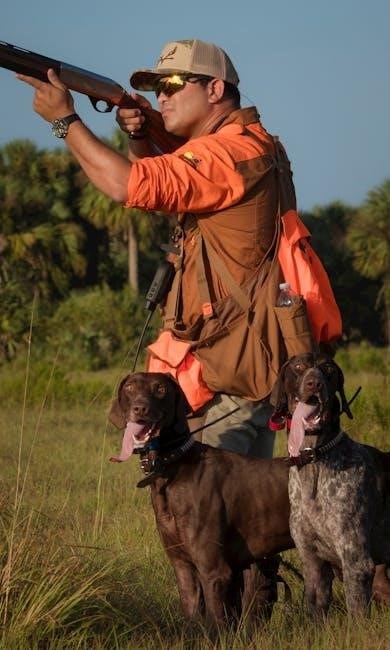
Readiness is a constant pursuit.
Continuous Evaluation and Improvement
MARSOC employs a robust system of continuous evaluation, analyzing operator performance through after-action reviews and detailed assessments. This data drives iterative improvements to training programs and operational procedures, ensuring relevance and effectiveness. Regular feedback loops incorporate lessons learned from real-world deployments.
Emphasis is placed on identifying emerging threats and adapting training to counter them. This proactive approach fosters a culture of learning and refinement, maximizing MARSOC’s capabilities.
Adaptability is key to sustained success.
Physical Fitness Standards
MARSOC demands exceptional physical conditioning. Marines must exceed standard Marine Corps physical fitness test (PFT) requirements, achieving a minimum score of 225, regardless of age. Endurance is paramount, with emphasis on running, swimming, and calisthenics.
Strength training focuses on functional fitness, building the capacity to carry heavy loads and operate effectively in austere environments. Maintaining these standards is ongoing, with regular evaluations ensuring operators remain combat-ready.
Peak physical condition is non-negotiable for mission success.