
Kitchen Knife Guide ⎯ An Overview (12/17/2025)
Kitchen knives are essential culinary tools‚ evolving from bone and stone to modern materials like stainless and Damascus steel‚ impacting food quality significantly.
Understanding knife types – chef’s‚ paring‚ utility‚ and more – simplifies cooking tasks for both professionals and home cooks alike.
Kitchen knives represent far more than simple tools; they are the foundational elements of efficient and enjoyable cooking. Throughout history‚ these implements have undergone a remarkable transformation‚ originating from rudimentary constructions of bone‚ stone‚ and flint‚ to the sophisticated designs and materials we recognize today. Modern knives boast materials like durable stainless steel and exquisitely patterned Damascus steel‚ each offering unique properties for various culinary applications;
The sheer variety of kitchen knives can initially seem daunting. However‚ understanding the purpose of each type – from the versatile chef’s knife to the precise paring knife – unlocks a world of culinary possibilities. Selecting the appropriate knife for a specific task not only enhances efficiency but also contributes significantly to the quality and presentation of your dishes. Whether you’re a seasoned chef or a home cook‚ mastering the basics of kitchen knives is an investment in your culinary journey.
This guide aims to demystify the world of kitchen knives‚ providing a comprehensive overview of their types‚ materials‚ care‚ and maintenance‚ empowering you to make informed decisions and elevate your cooking experience.
Why a Good Knife Set Matters

A quality knife set is arguably the most crucial investment in any kitchen‚ surpassing many other gadgets and appliances in terms of daily utility. Out of all the tools available‚ knives consistently prove to be indispensable‚ impacting everything from food preparation speed to the final presentation of meals. A dull or inappropriate knife can make even simple tasks frustrating and even dangerous‚ increasing the risk of accidents.
Beyond safety and efficiency‚ good knives elevate the cooking experience. Precise cuts contribute to even cooking‚ enhancing flavor and texture. A sharp chef’s knife‚ for example‚ effortlessly handles chopping‚ slicing‚ and dicing‚ while specialized knives like paring or bread knives tackle specific tasks with ease. Investing in a well-balanced set ensures you have the right tool for every culinary challenge.
Ultimately‚ a good knife set isn’t just about convenience; it’s about unlocking your full potential in the kitchen and enjoying the art of cooking to its fullest extent.
Knife Materials: A Comprehensive Look
The material of a kitchen knife profoundly impacts its performance‚ durability‚ and maintenance requirements. Historically‚ knives were crafted from natural materials like bone‚ stone‚ and flint‚ but modern options offer superior qualities. Stainless steel remains a popular choice due to its corrosion resistance and affordability‚ though it may require more frequent sharpening.
High-carbon stainless steel provides a balance between sharpness‚ durability‚ and stain resistance‚ making it a favored option for professional chefs. Damascus steel‚ known for its beautiful patterned appearance‚ combines multiple steel types for exceptional strength and edge retention. However‚ it often comes with a higher price tag.
Ceramic knives offer incredible sharpness and resist corrosion‚ but they are brittle and prone to chipping if dropped or used on hard surfaces. Each material presents unique advantages and disadvantages‚ catering to different needs and preferences within the culinary world.
Stainless Steel Knives
Stainless steel knives are a cornerstone of many kitchens‚ prized for their affordability‚ ease of maintenance‚ and resistance to rust and corrosion. The addition of chromium creates a protective layer‚ preventing staining and ensuring longevity. While generally less sharp than high-carbon steel counterparts‚ stainless steel holds an edge reasonably well and is suitable for a wide range of kitchen tasks.
These knives are relatively forgiving‚ requiring less meticulous care than other materials. They are dishwasher safe‚ though hand washing is recommended to preserve sharpness. However‚ the lower carbon content means they may need more frequent sharpening to maintain optimal performance.
Stainless steel is an excellent choice for beginner cooks or those seeking a reliable‚ low-maintenance option. They represent a practical balance between cost‚ durability‚ and functionality‚ making them a versatile addition to any culinary toolkit.
High-Carbon Stainless Steel Knives
High-carbon stainless steel knives represent a significant upgrade over standard stainless steel‚ offering a superior blend of durability‚ sharpness‚ and ease of maintenance. The increased carbon content allows these knives to achieve and retain a much sharper edge‚ making them a favorite among serious cooks and professionals.
While still possessing the corrosion resistance of stainless steel due to the chromium content‚ high-carbon versions require slightly more care to prevent rust. Hand washing and drying are recommended‚ and avoiding prolonged exposure to moisture is crucial.
These knives strike an excellent balance – they are sharper and hold their edge longer than regular stainless steel‚ yet remain relatively easy to maintain. They are a worthwhile investment for those seeking professional-level performance without the demanding upkeep of carbon steel.
Damascus Steel Knives
Damascus steel knives are renowned for their striking‚ layered appearance and exceptional performance. Traditionally made by folding and forging different types of steel together‚ modern Damascus knives often utilize high-carbon steel for the core‚ clad with stainless steel for durability and corrosion resistance.
This process creates a beautiful‚ wavy pattern on the blade‚ making each knife unique. Beyond aesthetics‚ the layering enhances the steel’s hardness and flexibility‚ resulting in a blade that is both incredibly sharp and resistant to chipping or breaking.
Damascus knives generally require similar care to high-carbon stainless steel – hand washing‚ drying‚ and occasional oiling are recommended. They represent a premium option‚ prized for their beauty‚ performance‚ and heirloom quality.
Ceramic Knives
Ceramic knives have gained popularity as a modern alternative to traditional steel blades. Typically made from zirconium dioxide‚ these knives are exceptionally hard‚ lightweight‚ and maintain their sharpness for a remarkably long time – far exceeding many steel knives.

A key benefit is their resistance to rust‚ corrosion‚ and staining‚ eliminating metallic taste or odor transfer to food. However‚ this extreme hardness also makes them brittle; ceramic knives are susceptible to chipping or breaking if dropped or used on hard surfaces like bone or frozen food.
They require careful handling and are best suited for precise slicing‚ dicing‚ and peeling tasks. Sharpening ceramic knives requires specialized tools‚ and they are generally not recommended for tasks involving impact or twisting motions.
Essential Kitchen Knife Types
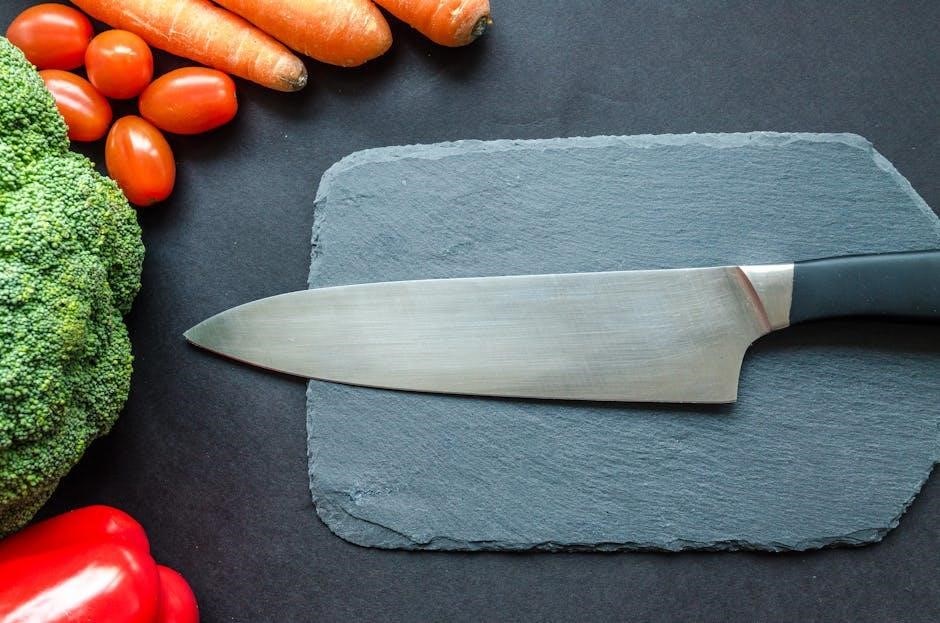
Essential knives include the chef’s knife‚ a versatile workhorse‚ alongside paring‚ utility‚ bread‚ and boning knives‚ each designed for specific culinary tasks and precision.
The Chef’s Knife: The Workhorse
The chef’s knife reigns supreme as the most versatile tool in any kitchen‚ truly earning its “workhorse” title. Typically ranging from 8 to 12 inches in blade length‚ it’s designed for a multitude of tasks‚ from chopping and slicing to dicing and mincing.
Its curved blade allows for a rocking motion on the cutting board‚ increasing efficiency and control. A good chef’s knife is the foundation upon which all other kitchen skills are built. Whether you’re a seasoned professional or a home cook‚ mastering the chef’s knife is paramount.
It’s ideal for processing fruits‚ vegetables‚ herbs‚ and even meats. Investing in a high-quality chef’s knife will significantly improve your cooking experience‚ making food preparation faster‚ safer‚ and more enjoyable. Proper care‚ including regular sharpening and appropriate storage‚ will ensure its longevity and continued performance.
Paring Knife: Precision and Detail
The paring knife‚ typically between 2.5 and 4 inches in length‚ is a master of precision and detail work. Unlike the chef’s knife’s broad capabilities‚ the paring knife excels at intricate tasks requiring finesse and control. It’s perfectly suited for peeling fruits and vegetables‚ removing seeds‚ coring apples‚ and creating garnishes.
Its small size allows for maneuverability in tight spaces‚ making it ideal for delicate operations. While it may seem unassuming‚ a quality paring knife is indispensable for achieving professional-looking results. It’s a go-to tool for tasks where a larger knife would be cumbersome or imprecise.
Proper technique is key when using a paring knife‚ prioritizing safety and control. Regular sharpening maintains its effectiveness‚ ensuring clean cuts and minimizing effort. It’s a small knife with a significant impact on culinary artistry.
Utility Knife: Versatility Defined
The utility knife‚ often ranging from 5 to 7 inches in length‚ truly embodies versatility in the kitchen. Bridging the gap between the chef’s knife and the paring knife‚ it’s a fantastic all-rounder for a wide array of tasks. It’s adept at slicing sandwiches‚ trimming meats‚ and chopping vegetables – offering a balance of precision and power.
Considered a valuable addition to any knife set‚ the utility knife excels where a chef’s knife might feel too large or a paring knife too small. It’s a practical choice for everyday food preparation‚ handling tasks with ease and efficiency. Its adaptable nature makes it a favorite among home cooks.
Maintaining a sharp blade is crucial for maximizing the utility knife’s performance. Regular honing and sharpening ensure clean cuts and effortless slicing‚ solidifying its role as a kitchen workhorse.
Bread Knife: Slicing Through Crusts
The bread knife is instantly recognizable by its long‚ serrated blade‚ typically ranging from 8 to 10 inches. This distinctive feature isn’t for aesthetics; it’s specifically designed to effortlessly slice through crusty breads without crushing the soft interior. The serrations act like a saw‚ gripping the crust and allowing for a clean‚ even cut.
However‚ its utility extends beyond just bread! A bread knife is also excellent for slicing tomatoes‚ cakes‚ and other delicate items with firm exteriors and soft insides. Its ability to cut without compressing makes it ideal for these tasks‚ preserving texture and presentation.
Proper care involves gentle handwashing to preserve the serrations. Avoid cutting on hard surfaces‚ as this can dull the blade over time. A well-maintained bread knife is a baker’s best friend!
Boning Knife: Separating Meat from Bone
Boning knives are specialized tools designed for the precise task of removing bones from meat‚ poultry‚ and fish. Characterized by their thin‚ often flexible blades – typically 5 to 7 inches long – they navigate around bones with exceptional control. This precision minimizes waste and maximizes the yield of usable meat.
There are two primary types: straight boning knives and curved boning knives. Straight boning knives excel at tasks requiring a more direct approach‚ while curved boning knives are ideal for maneuvering around contours and joints. The choice depends on the specific cuts being processed and personal preference.
Maintaining a sharp blade is crucial for safety and efficiency. Regular honing and sharpening are essential. Proper cleaning and storage will prolong the life of this valuable kitchen tool.
Straight Boning Knives
Straight boning knives are a cornerstone for butchers and cooks who prioritize a direct‚ controlled approach to separating meat from bone. Their rigid blade‚ typically ranging from five to seven inches‚ offers exceptional stability during precise cuts. This design is particularly effective when working with larger cuts of meat where a firm‚ unwavering blade is essential for clean separations.
Unlike their curved counterparts‚ straight boning knives excel at tasks demanding a straight-line path around bones. They are favored for trimming silver skin‚ removing tendons‚ and portioning larger roasts. The blade’s stiffness allows for consistent depth and angle‚ minimizing waste and maximizing yield.
Maintaining a razor-sharp edge is paramount for safety and efficiency. Regular honing and professional sharpening are crucial for optimal performance.
Curved Boning Knives
Curved boning knives distinguish themselves with a distinctive arc in their blade‚ typically spanning six to seven inches. This curvature isn’t merely aesthetic; it’s engineered for navigating the contours of bones and joints with remarkable agility. The design allows cooks to effortlessly maneuver around bone structures‚ making them ideal for poultry‚ pork‚ and lamb.
The curved blade facilitates a rocking motion‚ reducing the need for excessive force and enhancing control. This is particularly beneficial when removing bones from delicate cuts‚ minimizing meat loss and preserving presentation. Skilled users can efficiently separate meat from bone with fluid‚ sweeping movements.
Like straight boning knives‚ consistent sharpness is vital. Regular honing and professional sharpening ensure clean‚ precise cuts and maintain user safety.
Specialty Kitchen Knives
Specialty knives cater to specific tasks‚ expanding beyond the core set. These include Santoku‚ Nakiri‚ cleavers‚ tomato‚ and carving knives‚ each designed for unique culinary needs.
Santoku Knife: Japanese All-Purpose
The Santoku knife‚ originating from Japan‚ has become a popular all-purpose blade in Western kitchens. Its name‚ translating to “three virtues‚” refers to its suitability for slicing‚ dicing‚ and mincing. Typically ranging from 5 to 7 inches in length‚ the Santoku features a straighter edge than a traditional chef’s knife‚ with a sheep’s foot or rounded tip.
This design facilitates a rocking motion for efficient chopping and allows for greater control during precision work. Often lighter in weight than Western knives‚ the Santoku excels at handling a wide variety of ingredients‚ from vegetables and fruits to meats and fish. Many Santoku knives incorporate hollow-ground indentations‚ known as “granton edges‚” along the blade to prevent food from sticking during slicing.
The Santoku is a versatile addition to any kitchen‚ offering a blend of Japanese craftsmanship and practical functionality for everyday cooking tasks. It’s a fantastic alternative or complement to a chef’s knife.
Nakiri Knife: Vegetable Specialist
The Nakiri knife‚ another Japanese culinary tool‚ is specifically designed for preparing vegetables. Distinguished by its rectangular blade and thin profile‚ the Nakiri excels at clean‚ precise cuts. Unlike the curved blade of a chef’s knife‚ the Nakiri’s straight edge allows for a full‚ vertical chopping motion‚ minimizing bruising and maximizing efficiency when working with produce.
Typically ranging from 6 to 7 inches in length‚ the Nakiri is ideal for tasks like julienning‚ mincing‚ and chopping vegetables. Its thin blade glides effortlessly through skins and flesh‚ preserving the texture and flavor of ingredients; The flat blade also makes it easy to scrape the cutting board‚ gathering chopped vegetables for transfer to a pan or bowl.
For dedicated vegetable preparation‚ the Nakiri knife offers a specialized advantage‚ delivering professional-quality results with ease and precision.
Cleaver: Heavy-Duty Cutting
The cleaver is a robust and powerful kitchen tool designed for tackling tough cutting tasks that other knives simply can’t handle. Characterized by its large‚ rectangular blade and substantial weight‚ the cleaver excels at chopping through bones‚ cartilage‚ and dense cuts of meat. It’s a staple in butcher shops and kitchens where breaking down whole poultry or large roasts is common.
While often associated with raw strength‚ a good cleaver requires technique. The weight of the blade does much of the work‚ but controlled‚ downward strikes are crucial for clean cuts. Cleavers aren’t intended for delicate work; their purpose is to efficiently process challenging ingredients.
Beyond meat‚ cleavers can also be used for tasks like splitting nuts or breaking down large vegetables. Its versatility‚ combined with its sheer power‚ makes it an invaluable asset in any well-equipped kitchen.
Tomato Knife: Serrated for Soft Fruits
The tomato knife‚ despite its name‚ isn’t limited to just tomatoes! This specialized knife features a serrated blade‚ designed to effortlessly slice through delicate fruits and vegetables with thin‚ easily bruised skins. Think ripe tomatoes‚ peaches‚ plums‚ or even citrus fruits – the serrations grip the skin while the blade cuts through the soft flesh underneath‚ preventing crushing and preserving the integrity of the food.
Unlike a traditional smooth-edged knife‚ a tomato knife doesn’t rely on pressure. Instead‚ it utilizes a sawing motion‚ minimizing damage to the delicate interior. This results in cleaner‚ more attractive slices‚ and reduces waste.
While excellent for soft produce‚ tomato knives aren’t ideal for harder items. The serrations can become dull quickly if used on dense materials‚ so it’s best to reserve it for its intended purpose.
Carving Knife: Slicing Cooked Meats
The carving knife is a kitchen essential for presenting beautifully sliced cooked meats‚ poultry‚ and even roasted vegetables. Characterized by its long‚ thin blade – typically ranging from 8 to 15 inches – it’s specifically designed for creating uniform‚ elegant slices with minimal tearing. This length allows for a single‚ smooth stroke across larger cuts of meat.
Unlike a chef’s knife‚ which excels at chopping and dicing‚ a carving knife prioritizes precision and finesse. The blade’s gentle curve facilitates effortless slicing‚ while its pointed tip is ideal for separating portions and maneuvering around bones.

Often paired with a carving fork for stability‚ this knife ensures even slices‚ enhancing both the presentation and enjoyment of your meal. It’s a key tool for holiday feasts and special occasions;

Knife Care and Maintenance
Maintaining knives through sharpening‚ proper storage‚ and careful cleaning extends their lifespan and ensures optimal performance in the kitchen‚ enhancing culinary experiences.
Sharpening Your Knives
Regular sharpening is paramount for maintaining a knife’s effectiveness and safety. Dull knives require more force‚ increasing the risk of slips and injuries. Several methods exist for sharpening‚ each with its own learning curve and suitability for different users.
Whetstones‚ available in various grits‚ are a traditional and highly effective option. Mastering whetstone sharpening takes practice‚ involving maintaining a consistent angle while drawing the blade across the stone. Alternatively‚ pull-through sharpeners offer a quicker‚ though potentially less precise‚ solution. These devices guide the blade at a pre-set angle.
Honing steels don’t actually sharpen knives; instead‚ they realign the blade’s edge‚ temporarily restoring sharpness. Honing should be done frequently‚ even after each use‚ to maintain optimal performance. Professional sharpening services are also available for those who prefer to leave the task to experts‚ ensuring a consistently sharp and well-maintained knife collection.
Proper Knife Storage
Safe and effective knife storage is crucial for preserving blade quality and preventing accidents. Simply tossing knives into a drawer can dull the edges and pose a significant safety hazard. Several dedicated storage solutions are available to address these concerns.
Knife blocks‚ often made of wood or plastic‚ provide individual slots for each blade‚ keeping them separated and protected. Magnetic knife strips offer a space-saving alternative‚ securely holding knives on a wall-mounted strip. These strips also allow for easy access and visibility.
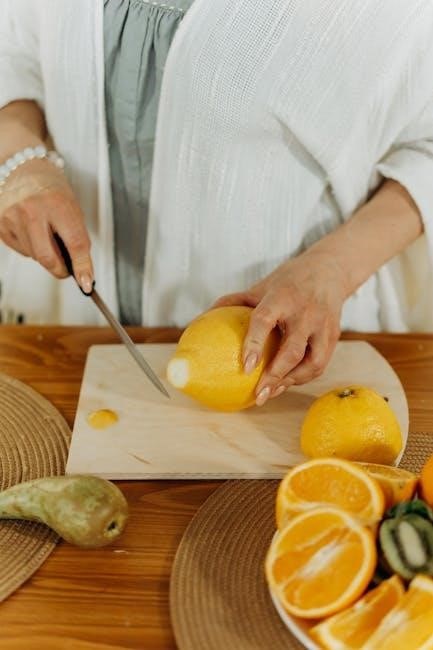
Knife rolls are ideal for transporting knives or storing a smaller collection. Regardless of the method chosen‚ ensure knives are stored dry to prevent rust and corrosion. Protecting the blade’s edge during storage extends its lifespan and maintains its cutting performance‚ ultimately enhancing your culinary experience.
Cleaning and Handling
Proper cleaning and handling are paramount for maintaining your kitchen knives’ longevity and hygiene. Immediately after use‚ hand wash knives with warm‚ soapy water; avoid dishwashers‚ as harsh detergents and tumbling can damage the blade and handle. Dry the knife thoroughly with a clean towel to prevent rust and water spots.
Always cut on a suitable cutting board – wood or plastic are preferred over glass or marble‚ which can dull the blade. Never use a knife for tasks it isn’t designed for‚ such as prying or cutting frozen foods. When handing a knife to someone‚ always hold it by the handle and announce “knife!”
Regularly inspect your knives for any signs of damage‚ like cracks or loose handles. Careful handling and consistent cleaning ensure your knives remain safe‚ effective‚ and a valuable asset in your kitchen.