Boat Hoist Guides: A Comprehensive Overview (12/16/2025)
Maintaining your boat lift involves routine inspections for rust, tightening bolts, lubricating cables, and addressing any structural damage promptly to ensure longevity and safety.
Selecting the correct type of boat lift depends on your boat’s size, weight, water depth, and local environmental regulations for optimal performance and protection.
Regular maintenance is crucial; cleaning and rinsing lift cables, checking weight capacity, and inspecting bunk boards are essential steps for preventing costly repairs.
Pilings and dock structures require attention; promptly repairing damage ensures the boat lift’s stability and prevents potential hazards during lifting operations.
Understanding the various types – hydraulic, mechanical, pneumatic, and cable – allows informed decisions based on specific needs and budgetary considerations for your boat.
Boat hoists, also known as boat lifts, are essential pieces of equipment for waterfront property owners seeking convenient and secure methods for removing their vessels from the water. These systems offer significant advantages over traditional dockage, primarily by mitigating the damaging effects of prolonged saltwater exposure, marine growth, and potential impacts from waves or tides.
The core function of a boat hoist is to physically lift a boat out of the water, suspending it securely above the surface. This prevents fouling, corrosion, and the need for frequent bottom cleaning. Modern boat hoists come in a variety of designs, each suited to different boat sizes, weights, and docking environments.
Choosing the right boat hoist involves careful consideration of several factors, including the boat’s dimensions and displacement, the water depth at the dock, and the prevailing environmental conditions. Proper installation and regular maintenance are paramount to ensuring safe and reliable operation. A well-maintained boat hoist extends the life of your boat and provides peace of mind.
Ultimately, a boat hoist represents a valuable investment for any serious boat owner.
Types of Boat Hoists
Boat hoists are categorized based on their lifting mechanisms, each offering unique benefits and suited to different needs. Hydraulic boat hoists utilize fluid pressure to lift vessels, providing smooth and controlled operation, often favored for larger boats. Mechanical boat hoists employ a system of gears, levers, and cables, offering a robust and reliable solution, though potentially requiring more physical effort.
Pneumatic boat hoists leverage compressed air for lifting, known for their speed and simplicity, but may be less common for larger vessels. Cable boat hoists, a prevalent choice, use a winch and cable system to raise and lower boats, offering versatility and cost-effectiveness.
The selection of the appropriate type hinges on factors like boat size, weight, budget, and the availability of utilities like electricity or compressed air. Understanding the operational characteristics and maintenance requirements of each type is crucial for making an informed decision. Each system requires specific attention to ensure longevity and safe operation.
Hydraulic Boat Hoists
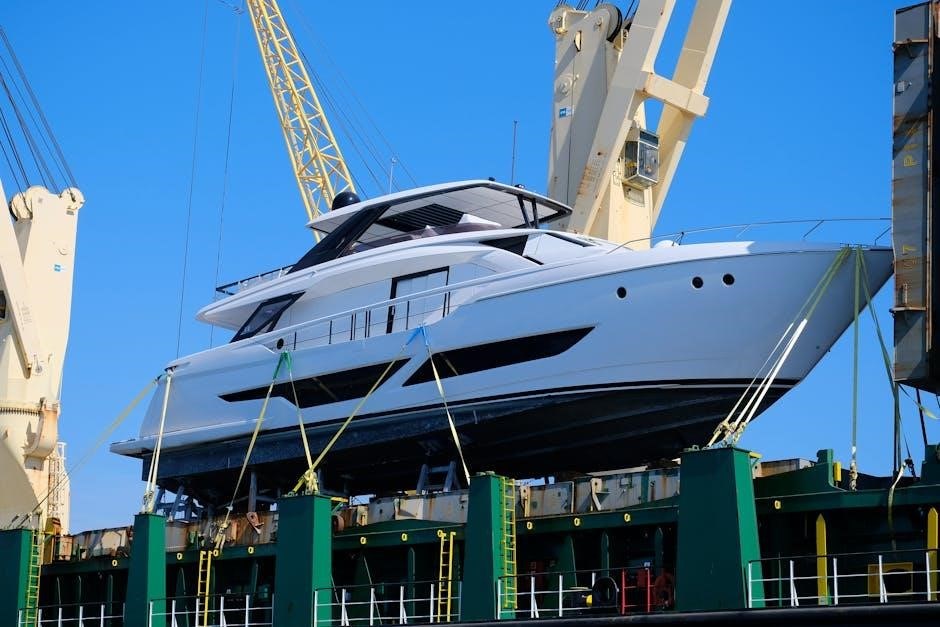
Hydraulic boat hoists are renowned for their smooth, controlled lifting capabilities, making them a popular choice for a wide range of vessels. These systems utilize pressurized fluid, typically oil, to power cylinders that raise and lower the boat; This design minimizes stress on the hull and provides precise positioning.
A key advantage is their ability to handle heavier loads with relative ease, making them suitable for larger boats. However, hydraulic hoists require regular maintenance, including checking for leaks and ensuring proper fluid levels. The hydraulic system must be inspected for corrosion and component wear.
Potential issues include pump failures and seal degradation, necessitating prompt repair. Despite these considerations, the efficiency and gentle lifting action of hydraulic boat hoists make them a valuable investment for many boat owners, offering reliable performance and longevity.
Mechanical Boat Hoists

Mechanical boat hoists operate using a system of gears, levers, and cables to lift and lower vessels. These hoists are generally more affordable than hydraulic or pneumatic systems, making them an attractive option for smaller boats and budget-conscious owners. They rely on manual or powered winches to generate the lifting force.
Regular maintenance is crucial for mechanical hoists, focusing on cable inspection and lubrication to prevent wear and tear. Ensuring proper gear alignment and tightening bolts are also essential tasks. While simpler in design, they require consistent attention to maintain operational safety and efficiency.
Potential issues include cable fraying, winch malfunctions, and gear damage, which may necessitate repair or replacement. Despite these considerations, mechanical boat hoists offer a reliable and cost-effective solution for lifting and storing boats, particularly in situations where complex systems aren’t required.

Pneumatic Boat Hoists
Pneumatic boat hoists utilize compressed air to power the lifting mechanism, offering a smooth and controlled lifting process. These systems are known for their reliability and relatively low maintenance requirements compared to hydraulic options. They are particularly well-suited for environments where electrical hazards are a concern, as they don’t rely on electricity for operation.
However, pneumatic hoists necessitate a consistent supply of compressed air, often requiring an air compressor and storage tank. Regular checks of air lines, fittings, and the air motor are vital to prevent leaks and ensure optimal performance. Proper lubrication of moving parts is also essential for longevity.
Potential issues can include air compressor failures, leaks in the pneumatic lines, and valve malfunctions. While generally robust, pneumatic boat hoists demand periodic inspection and repair to maintain safe and efficient operation, making them a dependable choice for many boat owners.
Cable Boat Hoists
Cable boat hoists represent a common and often cost-effective solution for lifting vessels, employing steel cables and a winch system to raise and lower boats. These hoists are generally suitable for a wide range of boat sizes and weights, offering versatility in application. However, they require diligent maintenance to ensure safe and reliable operation.
Regular inspection of the cables is paramount, looking for signs of fraying, corrosion, or damage. Lubricating the cables is crucial to reduce friction and prevent premature wear. Winch mechanisms also need periodic checks, including gear lubrication and brake adjustments. Proper spooling of the cables onto the winch drum is essential to avoid binding.
Potential issues include cable breakage, winch motor failures, and brake malfunctions. Addressing these promptly through repair or replacement is vital for preventing accidents. Selecting the correct cable diameter and winch capacity for your boat is critical for safe lifting.
Boat Hoist Maintenance: Essential Checks
Regular boat hoist maintenance is paramount for ensuring safe, reliable operation and extending the lifespan of your equipment. Essential checks begin with a thorough inspection for rust and corrosion on all structural components, including cables, winches, and supporting pilings. Addressing corrosion promptly prevents further deterioration and potential failures.
Verifying the weight capacity limits of your hoist is crucial before each lifting season. Exceeding these limits can lead to structural damage or catastrophic failure. Cable inspection and lubrication are also vital; cables should be checked for fraying, kinks, and proper spooling, and lubricated to reduce friction and wear.
Finally, assess the condition of bunk boards, replacing any that are cracked, worn, or damaged. These boards provide crucial support for the boat during lifting and should be in optimal condition. Consistent adherence to these checks safeguards your investment and ensures worry-free operation.
Regular Inspection for Rust and Corrosion
Consistent inspection for rust and corrosion is the cornerstone of effective boat hoist maintenance. Saltwater environments are particularly aggressive, accelerating the corrosion process on metal components. Focus on areas where dissimilar metals meet, as these are prone to galvanic corrosion. Thoroughly examine cables, winches, mounting brackets, and the hoist frame itself.
Look for surface rust, pitting, and signs of weakening metal. Early detection allows for timely intervention, preventing minor issues from escalating into costly repairs. Remove rust with a wire brush and apply a rust-inhibiting primer and paint. Pay close attention to welds, as these are often the first areas to corrode.
Regularly rinsing the hoist with fresh water after each use helps remove salt deposits. Consider applying a protective coating specifically designed for marine environments. Proactive rust prevention extends the life of your boat hoist and ensures its continued safe operation.
Checking Weight Capacity Limits
Adhering to weight capacity limits is paramount for safe boat hoist operation. Exceeding these limits can lead to structural failure, causing damage to the hoist, the boat, and potentially resulting in serious injury. The weight capacity is typically indicated on a label affixed to the hoist frame; ensure this label is legible.
Accurately determine your boat’s total weight, including fuel, gear, and any onboard equipment. Do not rely on estimates; consult the boat’s manufacturer specifications or weigh it at a certified scale. Compare this total weight to the hoist’s rated capacity, ensuring a comfortable margin of safety.
Regularly reassess the boat’s weight if you add significant equipment or make modifications. Never attempt to lift a boat exceeding the hoist’s capacity. Prioritize safety by respecting these limits and conducting thorough weight checks before each lift.
Cable Inspection and Lubrication
Regular cable inspection and lubrication are vital for the longevity and safe operation of your boat hoist. Cables are subject to significant stress and environmental exposure, leading to wear, corrosion, and potential failure. Inspect cables frequently for fraying, kinking, crushing, or broken wires.
Pay close attention to areas where the cable passes over drums or sheaves, as these are common wear points. If any damage is detected, replace the cable immediately. Lubrication reduces friction, prevents corrosion, and extends cable life. Use a high-quality cable lubricant specifically designed for marine applications.
Apply lubricant evenly along the entire length of the cable, ensuring it penetrates the strands. Frequent oiling prevents wearing out of the cables, maintaining smooth operation and preventing costly repairs. A well-maintained cable is a cornerstone of a reliable boat hoist system.
Bunk Board Condition and Replacement
Bunk boards are crucial components that support your boat’s hull when lifted, and their condition directly impacts the safety and integrity of the lifting process. Regularly inspect bunk boards for signs of wear, rot, cracking, or detachment. Look for areas where the carpet is torn or missing, exposing the wood underneath.
Damaged bunk boards can cause uneven weight distribution, potentially damaging your boat’s hull. Replace worn or damaged bunk boards promptly to maintain optimal support and prevent costly repairs. When replacing, ensure the new boards are the correct size and material for your boat and hoist system.
Consider using marine-grade lumber and high-quality carpet to withstand the harsh marine environment. Proper bunk board maintenance is a simple yet essential aspect of boat hoist upkeep, safeguarding your vessel and ensuring smooth lifting operations.
Boat Hoist Repair: Common Issues
Boat hoist repairs frequently involve addressing issues with the supporting structure. Damaged pilings or dock components compromise stability, necessitating prompt repair or replacement to prevent hoist failure. Motor and gearbox problems are also common, often stemming from wear and tear or insufficient lubrication; these may require professional servicing or component replacement.
Cable issues, including fraying, corrosion, or breakage, demand immediate attention. Cable replacement is a critical repair, requiring adherence to manufacturer specifications and safety protocols. Hydraulic system leaks, if present, must be addressed swiftly to maintain lifting power and prevent environmental contamination.
Regular inspections can identify these issues early, minimizing repair costs and downtime. Ignoring these common problems can lead to more extensive damage and potentially hazardous situations. Prioritizing timely repairs ensures the continued safe and reliable operation of your boat hoist.
Repairing Damaged Pilings and Dock Structure
Repairing damaged pilings and dock structures is paramount for boat hoist safety and longevity. Initial assessment involves identifying the extent of the damage – cracks, rot, or structural weakening. Minor cracks can sometimes be filled with marine-grade epoxy, but significant damage usually necessitates piling replacement.
Replacement often requires specialized equipment and expertise, potentially involving driving new pilings alongside the damaged ones and securing the hoist to the new supports. Dock structure repairs may include replacing damaged boards, reinforcing connections, and ensuring proper drainage to prevent further deterioration.
Regular inspections are crucial for early detection of damage. Addressing issues promptly prevents escalation and costly repairs. Always consult with a qualified marine contractor for complex structural repairs, ensuring compliance with local regulations and safety standards. A stable foundation is essential for reliable hoist operation.
Addressing Motor and Gearbox Problems
Addressing motor and gearbox issues requires a systematic approach. Begin by checking electrical connections, ensuring they are clean and secure. If the motor doesn’t run, test for power and inspect the overload protector. A faulty overload protector should be replaced, not bypassed.
Gearbox problems often manifest as unusual noises or difficulty lifting. Check the oil level and condition; low or contaminated oil can cause significant wear. If the oil appears milky, water has likely entered the system, requiring a complete flush and reseal. Inspect gears for wear or damage.
For complex repairs, consult a qualified marine mechanic. Attempting repairs without proper knowledge can lead to further damage or safety hazards. Regular maintenance, including oil changes and inspections, can prevent many motor and gearbox problems.
Cable Replacement Procedures
Cable replacement is a critical safety procedure demanding meticulous attention. Begin by disconnecting the power supply to the hoist. Carefully release tension from the old cable, noting its routing through the system. Inspect the winch drum and sheaves for wear or damage, replacing them if necessary.
Select a cable with the correct diameter, length, and breaking strength, matching the manufacturer’s specifications. Thread the new cable through the system, ensuring it’s properly seated in the grooves of the drum and sheaves. Apply lubricant liberally to the cable as it’s installed.
Securely attach the cable to the winch drum and anchor points, following the manufacturer’s instructions. Gradually tension the cable, inspecting for proper spooling and alignment. After installation, thoroughly test the hoist’s operation before placing any load on the new cable.
Hydraulic System Leak Repair
Hydraulic leaks compromise hoist performance and pose environmental risks, requiring prompt attention. First, identify the leak’s source – hoses, fittings, cylinders, or the pump. Depressurize the system completely before attempting any repairs, following safety protocols diligently.
For hose leaks, replace the entire hose; patching is not recommended. Tighten loose fittings, but avoid over-tightening, which can cause further damage. Inspect O-rings and seals, replacing them if worn or cracked. Cylinder leaks often necessitate professional repair or replacement.
Clean the affected area thoroughly before reassembly. After repairs, bleed the system to remove air, and carefully check for any remaining leaks under pressure. Regularly inspect hydraulic components to prevent future failures and maintain optimal hoist functionality.
Boat Hoist Safety Guidelines
Prioritizing safety during boat hoist operation is paramount. Always conduct a thorough pre-lift checklist, verifying cable condition, weight capacity, and proper bunk board alignment. Ensure the area beneath the hoist is clear of personnel and obstructions before initiating the lift.
Familiarize yourself with emergency stop procedures and ensure all operators are trained in their execution. Never exceed the hoist’s weight capacity, as this can lead to structural failure and potential accidents. Maintain a safe distance from the hoist during operation.
Employ proper loading and unloading techniques, distributing the boat’s weight evenly on the hoist. Avoid sudden movements or jerks during lifting or lowering. Regular safety inspections and adherence to manufacturer guidelines are crucial for preventing incidents.
Pre-Lift Checklist
Before each lift, a meticulous pre-lift checklist is essential for safe operation. Begin by visually inspecting all cables for fraying, kinks, or corrosion, ensuring proper lubrication. Confirm the hoist’s weight capacity is sufficient for the boat, accounting for fuel, gear, and passengers.
Verify the bunk boards are in good condition, securely attached, and appropriately positioned to support the hull. Check all nuts and bolts for tightness, addressing any looseness immediately. Ensure the surrounding area is clear of obstructions and personnel.
Test the emergency stop functionality to confirm it’s responsive. Finally, review the hoist’s operating manual and be aware of any specific safety precautions. A completed checklist confirms readiness and minimizes potential risks during the lifting process.
Emergency Stop Procedures
Immediate action is crucial during an emergency. Familiarize yourself with the location and operation of the emergency stop button – typically a large, red, easily accessible switch. In the event of a malfunction, such as cable slippage, uneven lifting, or unusual noises, activate the emergency stop immediately.
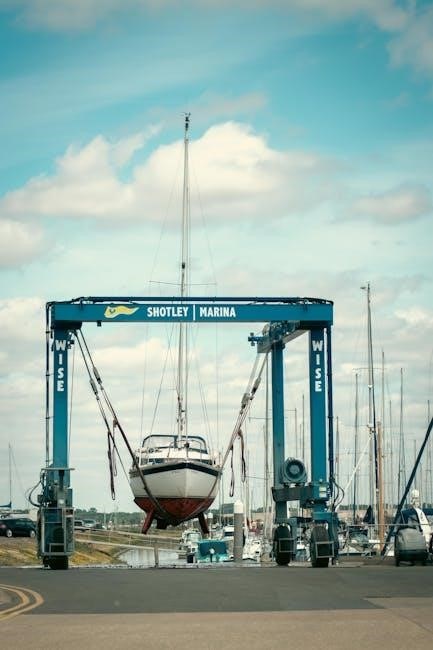
Once engaged, the hoist should cease operation instantly. Do not attempt to restart the system until the cause of the emergency is identified and rectified by a qualified technician. Assess the situation carefully, ensuring the boat is stable and secure.
Notify all personnel in the vicinity and prevent anyone from approaching the hoist. Document the incident thoroughly, including the time, conditions, and actions taken. Regular drills practicing emergency stop procedures are vital for preparedness.
Proper Loading and Unloading Techniques
Safe operation hinges on correct loading and unloading. Ensure the boat is properly positioned and centered on the hoist bunk boards before initiating the lifting process. Distribute the boat’s weight evenly to prevent instability during elevation.
Slow, controlled movements are paramount; Avoid sudden jerks or rapid lifting speeds. Continuously monitor the boat’s alignment and stability throughout the entire process. Use guide ropes or personnel to assist in maneuvering the boat if necessary.
During unloading, lower the boat gradually and ensure sufficient water depth is available. Never exceed the hoist’s weight capacity. Regularly inspect bunk boards for wear and tear, replacing them as needed to maintain secure contact with the hull. Prioritize a smooth, deliberate approach for both loading and unloading.
Choosing the Right Boat Hoist
Selecting the ideal boat hoist demands careful consideration of several key factors. Primarily, accurately assess your boat’s size and weight; the hoist must comfortably accommodate these dimensions without exceeding its capacity.
Water depth and bottom conditions are equally crucial. Shallow water may necessitate a different hoist type than deeper locations. Evaluate the seabed composition – muddy, sandy, or rocky – as this impacts foundation requirements.

Environmental factors, such as salinity and potential for storms, influence material selection and hoist durability. Adherence to local regulations and permitting requirements is non-negotiable. Consider long-term costs, including installation, maintenance, and potential repairs.
Ultimately, the right hoist balances functionality, safety, and budget, providing years of reliable service while protecting your valuable vessel.
Considering Boat Size and Weight
Accurately determining your boat’s dimensions and weight is the foundational step in hoist selection. Hoists are rated for specific capacities, and exceeding these limits compromises safety and can cause structural failure.
Measure the boat’s length, beam (width), and draft (depth below the waterline). Don’t underestimate weight; include the vessel itself, fuel, water, gear, and any permanently installed equipment. A slight overestimate is preferable to underestimation.
Consider future upgrades or potential weight increases. Choosing a hoist with a buffer allows for flexibility. Different hoist types – hydraulic, mechanical, etc. – have varying capacity ranges. Ensure the chosen hoist comfortably exceeds your boat’s maximum weight.
Proper weight distribution is also vital for stable lifting and long-term hoist performance. Consult with a professional if unsure about accurate weight calculations.
Water Depth and Bottom Conditions
Evaluating water depth and the seabed composition is crucial for safe and effective hoist operation. Insufficient depth can hinder hoist functionality and potentially damage the boat or hoist components.
Measure the water depth at both high and low tide to ensure adequate clearance throughout the entire tidal range. Consider potential seasonal water level fluctuations. The bottom composition – mud, sand, rock, or coral – impacts foundation requirements.
Soft, muddy bottoms require wider, more substantial footings for pilings to prevent sinking or shifting. Rocky bottoms may necessitate specialized installation techniques. A geotechnical survey can provide detailed information about soil stability.
Assess potential for sedimentation or debris accumulation, which can reduce water depth over time. Proper planning and site preparation are essential for a stable and reliable hoist installation.
Environmental Factors and Regulations
Navigating environmental concerns and local regulations is paramount when installing a boat hoist. Coastal areas often have strict guidelines regarding construction near waterways, designed to protect marine ecosystems.
Obtain necessary permits from local authorities before commencing any work. Regulations may cover issues like shading of seagrass beds, disturbance of sensitive habitats, and water quality protection. Consider potential impacts from storm surges and wave action.
Choose environmentally friendly materials and construction practices whenever possible. Avoid using treated lumber that could leach harmful chemicals into the water. Implement erosion control measures to prevent sediment runoff.
Be aware of restrictions on hoist size, height, and placement. Compliance with all applicable regulations ensures responsible operation and avoids potential fines or legal issues.