Self-Guided Tour du Mont Blanc: A Comprehensive Plan
Embark on an unforgettable alpine adventure! This guide details planning a spectacular, independent trek around Western Europe’s highest peak, Mont Blanc.
The Tour du Mont Blanc (TMB) is one of Europe’s most iconic long-distance hiking trails. Circling the Mont Blanc massif, this incredible route traverses through three countries: France, Italy, and Switzerland. Typically completed over 10-11 days, the TMB offers breathtaking scenery, challenging ascents, and charming alpine villages.
The trail showcases dramatic landscapes, including glaciers, wildflower meadows, and stunning mountain vistas. It’s a journey that immerses you in the heart of the Alps, providing a unique cultural experience alongside physical exertion. While often undertaken with a guide, the TMB is exceptionally well-suited for independent, self-guided adventures. This allows for a personalized experience, tailored to your pace and preferences. Prepare to be captivated by the raw beauty and invigorating challenge of the Tour du Mont Blanc!
Why Choose a Self-Guided TMB?
Opting for a self-guided Tour du Mont Blanc unlocks a world of benefits for the independent adventurer. Unlike guided tours with fixed schedules, you dictate your own pace, allowing for spontaneous detours and extended stays in picturesque villages. This freedom is invaluable for truly immersing yourself in the alpine environment.
Furthermore, a self-guided trek often proves more economical. Eliminating guide fees and pre-set accommodation packages significantly reduces overall costs. You have complete control over your budget, choosing accommodation and meals that align with your preferences. The challenge of planning and navigating independently adds a rewarding sense of accomplishment. Embrace the spirit of exploration and create a truly personalized TMB experience!
Flexibility and Independence
The cornerstone of a self-guided TMB is unparalleled flexibility. You’re not bound by a group’s pace or a rigid itinerary. Feel like lingering longer in a charming village? Do it! Discover a hidden trail beckoning exploration? Follow it! This freedom allows for a deeply personal connection with the mountains.
Independence extends to daily decisions – where to eat, when to rest, and even which route variations to explore. Embrace spontaneous changes based on weather conditions or your energy levels. This level of control fosters a sense of self-reliance and adventure. A self-guided trek empowers you to craft an experience perfectly tailored to your desires, creating lasting memories forged on your own terms.
Cost Savings Compared to Guided Tours
Opting for a self-guided Tour du Mont Blanc significantly reduces expenses. Guided tours bundle services – accommodation, meals, a guide – adding substantial costs. By arranging these independently, you retain control over your budget.
Accommodation choices range from budget-friendly refuges to comfortable gîtes, allowing you to select options aligning with your financial plan. Similarly, self-catering with packed lunches and grocery shopping minimizes meal costs. While requiring more planning, this approach unlocks considerable savings. Eliminating the guide fee is a major benefit, freeing up funds for other experiences or extending your trip. A self-guided TMB offers adventure without breaking the bank!
Planning & Preparation: The Essentials
Successful completion of the Tour du Mont Blanc demands meticulous planning. Begin well in advance – ideally six to nine months – to secure accommodation, especially refuge bookings which open months prior. Thorough route research is crucial; detailed maps and guidebooks are indispensable tools.
Assess your fitness honestly; the TMB is challenging. A consistent training regime, incorporating hill walking with a weighted pack, is highly recommended. Familiarize yourself with mountain safety protocols and basic first aid. Don’t underestimate the importance of appropriate gear – a comprehensive checklist is vital. Finally, understand the logistical aspects of transportation to and from the trailheads.
Best Time to Hike the TMB
The optimal window for hiking the Tour du Mont Blanc is typically from mid-June to mid-September. July and August offer the warmest temperatures and lowest chance of snow at higher altitudes, but also experience the highest crowds. June and September provide a quieter experience, though you may encounter lingering snow patches or early autumn conditions.
Outside of these months, many refuges are closed, and conditions become increasingly unpredictable. Be prepared for potential snow, ice, and challenging weather even within the core season. Checking weather forecasts daily is essential, and flexibility in your itinerary is recommended to adapt to changing conditions. Consider shoulder season for fewer hikers, but pack accordingly!
Fitness Level Required
The Tour du Mont Blanc is a challenging trek demanding a good level of physical fitness. You should be comfortable hiking for 6-8 hours per day, over varied terrain, with significant elevation gain and loss – often carrying a backpack weighing 8-12kg.
Prior to your trek, regular cardiovascular exercise (running, cycling, swimming) and strength training (legs, core) are highly recommended. Several practice hikes with a loaded backpack are crucial to test your gear and build endurance. A base level of fitness will significantly enhance your enjoyment and reduce the risk of injury. Don’t underestimate the cumulative effect of multiple days on the trail!
Route Options & Variations
While the classic Tour du Mont Blanc is the most popular choice, several variations cater to different fitness levels and time constraints. Experienced hikers might consider tackling the more demanding ‘High Route’, featuring exposed sections and challenging passes, offering breathtaking panoramic views. Alternatively, the ‘Valley Route’ provides a less strenuous option, following lower-altitude paths through charming villages.
Shorter itineraries, typically spanning 7 days, focus on specific sections of the TMB, often concentrating on the French or Italian side. Customization is key; you can combine sections or create loops to tailor the trek to your preferences and available time. Careful planning is essential when deviating from the standard route.
The Classic TMB Route (11 Days/10 Nights)
The quintessential Tour du Mont Blanc experience covers approximately 170 kilometers (106 miles) with around 9,600 meters (31,500 feet) of ascent and descent. This route typically takes 11 days, incorporating 10 nights in mountain refuges, gîtes, or hotels. It circles the entire Mont Blanc massif, traversing through France, Italy, and Switzerland.
Expect diverse terrain, from lush valleys and forests to rocky alpine passes and glacial landscapes. Daily distances vary, averaging 15-20 kilometers, but some stages are more challenging. The route showcases iconic landmarks like the Col de la Croix du Bonhomme, the Grand Col Ferret, and the Fenêtre d’Arpette, offering unparalleled views.
Shorter Variations (7 Days/6 Nights)
For hikers with limited time, several shorter TMB variations offer a taste of the adventure. A popular 7-day itinerary focuses on the most scenic sections, typically starting and ending in Chamonix. This often involves utilizing lifts and buses to bypass some of the longer, less dramatic stages.
Common shortened routes concentrate on the French and Italian sides of Mont Blanc, omitting the Swiss portion to reduce overall distance. These variations still provide challenging ascents and stunning alpine scenery, but require a higher daily mileage. Prioritize booking accommodations well in advance, as popular refuges fill quickly, even on shorter sections. Consider focusing on the core highlights for a fulfilling experience.
High Route vs. Valley Route Considerations
The TMB presents choices beyond the classic path: the High Route and Valley Route. The High Route, as the name suggests, stays consistently at higher altitudes, offering more dramatic views and challenging terrain. It demands excellent fitness and experience with exposed sections. Expect more demanding ascents and descents, and potential for snow even in summer.
The Valley Route, conversely, utilizes lower-altitude paths and villages, providing a less strenuous experience. It’s ideal for those less comfortable with heights or seeking a more relaxed pace. While views may be slightly less expansive, the Valley Route offers charming cultural encounters and easier access to amenities. Carefully assess your abilities and preferences before deciding which route best suits your TMB adventure.
Accommodation: Booking & Types
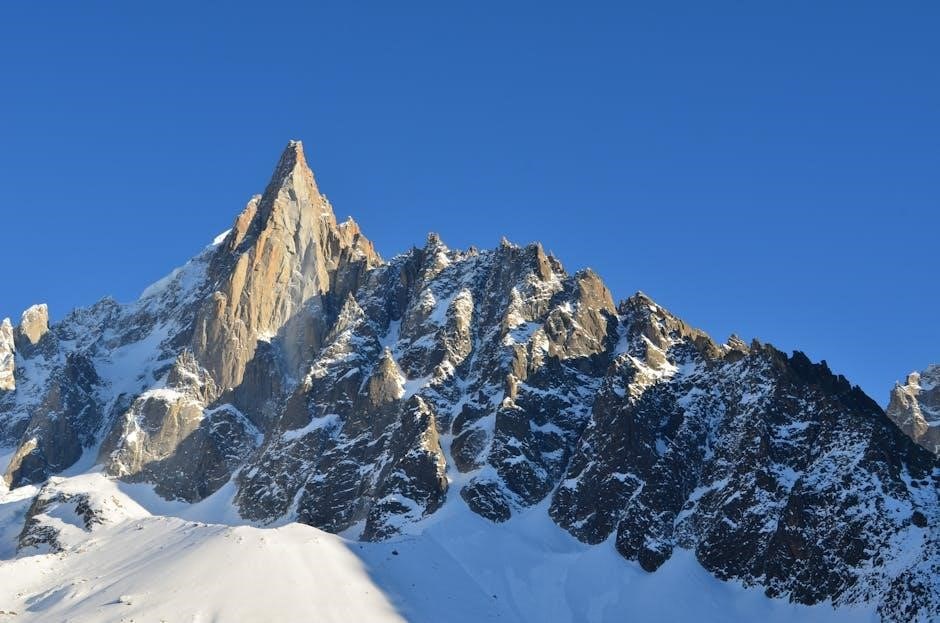
Securing lodging is crucial for a smooth TMB experience. The most popular option is staying in refuges (mountain huts), offering dormitory-style accommodation and meals. Booking well in advance – often 6-12 months – is essential, especially during peak season (July-August). Online reservation systems are available for many refuges, but some require direct contact.
Alternatively, gîtes (rural guesthouses) and hotels in valley villages provide more privacy and comfort. These are generally easier to book on shorter notice, but may require transportation to/from the trail. Consider a mix of refuge and village stays for variety. Be prepared for basic facilities in refuges; earplugs and a sleep sheet are recommended!
Refuges (Mountain Huts) – Booking Process
Booking refuges requires planning and persistence. Many refuges utilize online reservation platforms like Refuges d’Alpinisme or have their own websites. Start checking availability 6-12 months in advance, particularly for July and August. Be prepared to create accounts and navigate French/Italian websites – translation tools are helpful!
If online booking isn’t available, you’ll need to email or call directly. Response times can be slow. Have alternative dates and refuge options ready. Some refuges require a deposit. Confirm your reservation and understand cancellation policies. Be aware that even with a reservation, beds aren’t guaranteed if you arrive significantly after the stated check-in time.
Gîtes & Hotels in Villages – Alternatives to Refuges
For those preferring more comfort, or facing fully booked refuges, villages along the TMB offer excellent alternatives. Gîtes d’étape are simple, budget-friendly accommodations, often dormitory-style, providing a communal atmosphere. Hotels range from basic to luxurious, catering to various budgets.
Booking.com and other travel websites are useful for finding hotels. Gîtes often require direct contact via phone or email. Staying in villages means potentially longer daily hiking distances to reach the next accommodation, but offers access to restaurants and shops. This can be a welcome change of pace from the more rustic refuge experience, providing a softer landing each night.
Gear Checklist: What to Pack
Packing strategically is crucial for a comfortable TMB experience. Prioritize lightweight, durable gear. A well-fitted backpack (50-70 liters) is essential, alongside sturdy, broken-in hiking boots. Trekking poles significantly reduce strain on knees, especially during descents.
Don’t underestimate the importance of a waterproof jacket and trousers – mountain weather is unpredictable! A headlamp with extra batteries is vital for early starts or late arrivals. A first-aid kit, including blister treatment, is non-negotiable. Remember a reusable water bottle or hydration reservoir, and a quick-drying towel. Careful packing minimizes weight and maximizes enjoyment.
Essential Hiking Equipment
Your core hiking equipment forms the foundation of a successful TMB trek. Invest in a comfortable, supportive backpack (50-65 liters) with a rain cover. Sturdy, waterproof hiking boots, properly broken-in before your trip, are paramount to prevent blisters. Trekking poles are highly recommended for stability and reducing joint impact.
A reliable headlamp with spare batteries is crucial for navigating refuges at night or starting before dawn. Don’t forget a detailed map (1:25,000 scale) and a compass, even if using GPS. A basic repair kit – including duct tape, knife, and cord – can resolve minor gear issues on the trail. Prioritize quality and durability!
Clothing & Layers for Variable Weather
Mountain weather is notoriously unpredictable; layering is key! Start with moisture-wicking base layers (synthetic or merino wool) to keep you dry. Add insulating mid-layers – a fleece or lightweight down jacket – for warmth. A waterproof and windproof outer shell jacket and trousers are essential, even in summer.
Pack hiking trousers (convertible ones are versatile) and several pairs of hiking socks (wool or synthetic blend). A warm hat and gloves are vital, even if the forecast looks good. Don’t underestimate the sun – bring sunglasses and a sun hat. Consider bringing gaiters to keep debris out of your boots.
Navigation Tools (Maps, GPS, Compass)
Reliable navigation is crucial for a self-guided TMB. While the trail is well-marked, conditions can change rapidly. A detailed, waterproof map (1:25,000 scale is recommended) is essential. Complement this with a GPS device or smartphone with offline maps downloaded – ensure sufficient battery life or a power bank!
Don’t rely solely on technology. Knowing how to use a compass and map is a vital skill. Practice before you go! Familiarize yourself with the TMB’s specific signage and trail markings. Carry a whistle for signaling in emergencies. Regularly check your position and be aware of your surroundings – don’t blindly follow a GPS track.
Daily Itinerary Outline (Classic Route)
The classic TMB route typically spans 11 days/10 nights. This is a demanding schedule, requiring good fitness. Days involve 6-8 hours of hiking, with significant elevation gain/loss. This outline provides a general framework; adjust based on your pace and preferences.
Expect varied terrain – from gentle valley walks to challenging mountain passes. Stages often involve transfers between countries (France, Italy, Switzerland). Pre-booking accommodation is essential, especially during peak season. Remember to factor in rest days or shorter stages if needed. Detailed stage descriptions will follow, outlining distances, elevation profiles, and potential challenges for each day of your trek.
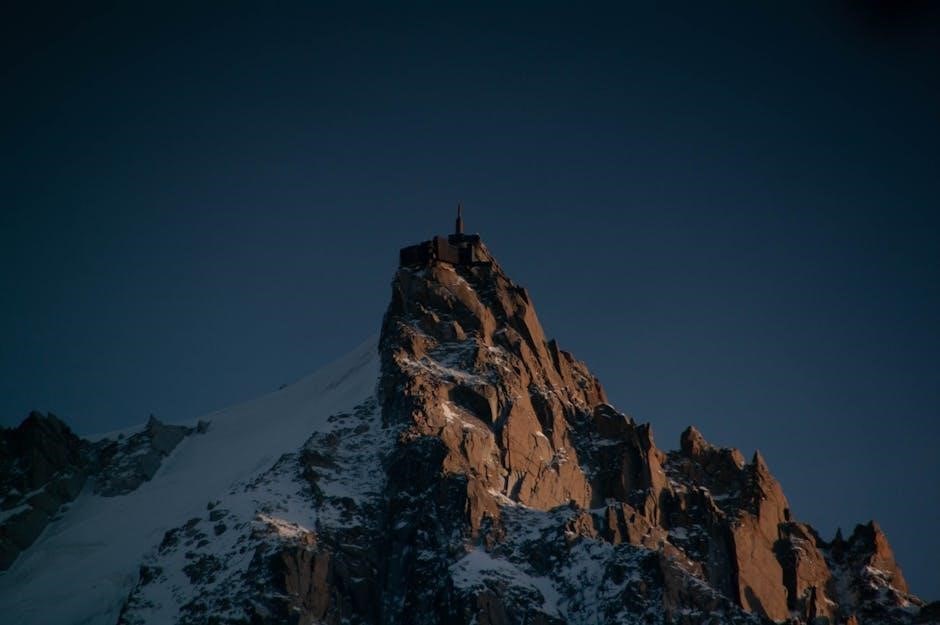
Stage 1: Les Houches to Refuge de Bellachat
This initial stage is a challenging ascent, approximately 10km with 900m of elevation gain. Starting in Les Houches, the trail immediately begins climbing through forests, offering glimpses of the Chamonix valley. Expect a steep, sustained climb, testing your initial fitness.
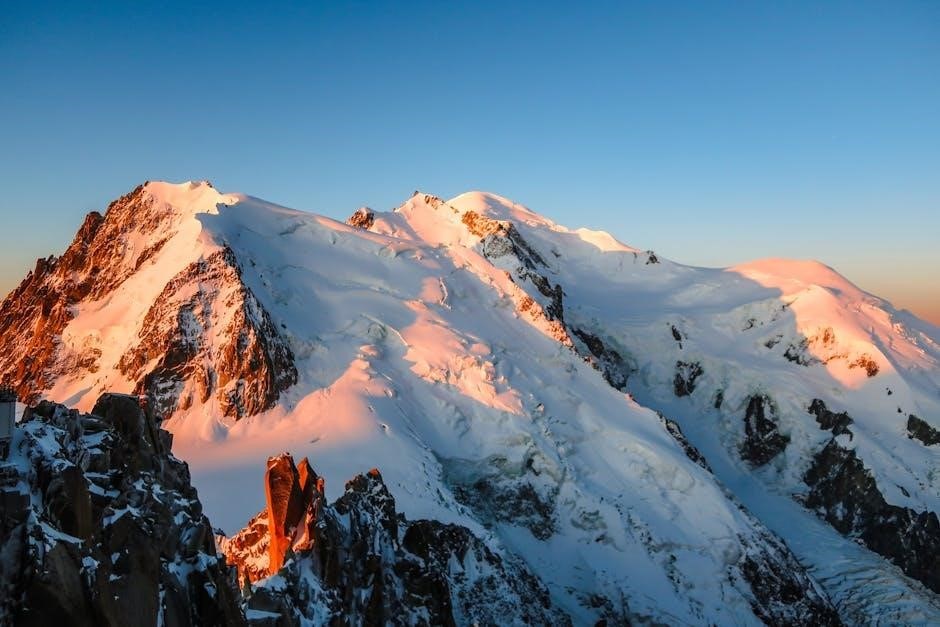
The path winds upwards, eventually emerging above the treeline with increasingly dramatic views of the Mont Blanc massif. The Refuge de Bellachat, perched on a rocky outcrop, provides stunning panoramic vistas. Booking at Bellachat is crucial; it’s a popular refuge. Be prepared for potentially exposed sections and variable weather. Allow 5-7 hours for this demanding first day, rewarding you with incredible scenery.
Stage 2: Refuge de Bellachat to Courmayeur (Italy)
Today’s 15km stage descends into the valley and then climbs towards the Italian border, boasting spectacular views. From Bellachat, the trail initially descends, traversing alpine meadows before a more challenging ascent towards the Col de Balme. This section can be rocky and exposed, requiring careful footing.
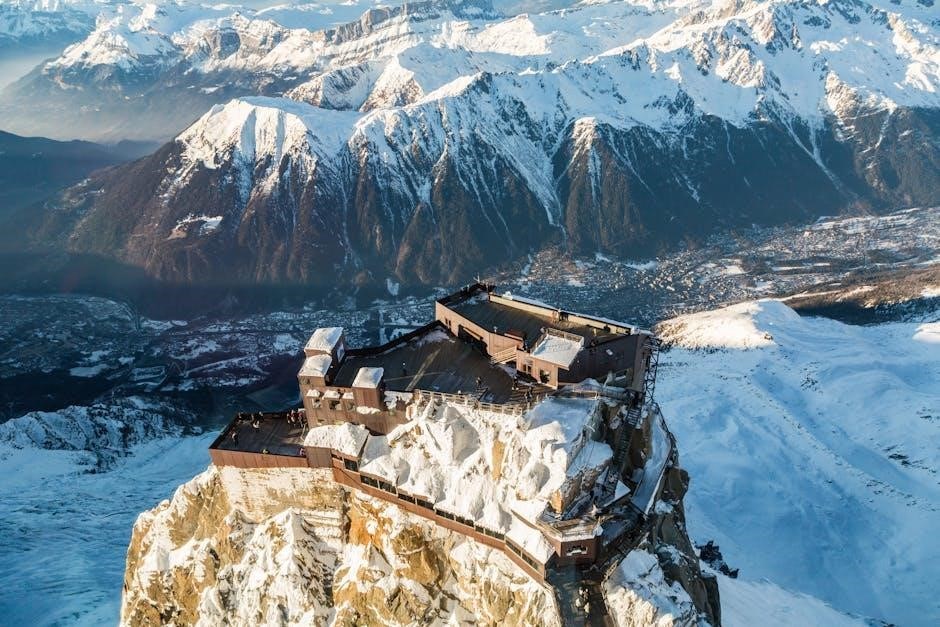
Crossing into Italy, the landscape transforms, offering a different perspective of Mont Blanc. A long descent follows, leading into the charming town of Courmayeur. Courmayeur provides a welcome change with plentiful accommodation and dining options. This stage takes approximately 6-8 hours, and remember to carry your passport for border crossing! Enjoy the Italian atmosphere!
Stage 3: Courmayeur to Rifugio Bonatti
This demanding 18km stage ascends through stunning scenery towards Rifugio Bonatti, offering challenging terrain and rewarding panoramas. Leaving Courmayeur, the trail climbs steadily through forests and past alpine pastures, eventually reaching the Val Veny. The path becomes steeper as you approach the refuge, with potential for snow patches even in summer.
Rifugio Bonatti is perched high above the valley, providing breathtaking views of the Grandes Jorasses. This stage typically takes 7-9 hours, demanding good fitness and stamina. Be prepared for a significant elevation gain and potentially challenging weather conditions. Booking at Rifugio Bonatti is essential, as it’s a popular stop!
Food & Water on the Trail
Sustaining energy levels is crucial on the TMB! Refuges generally offer three-course meals (dinner & breakfast) and packed lunches, but availability can vary – pre-booking is highly recommended. Expect hearty, traditional alpine cuisine. Water sources are present, but purification tablets or a filter are essential due to potential contamination from livestock or glacial runoff.
Packing your own snacks is vital. Opt for high-energy foods like nuts, dried fruit, energy bars, and chocolate. Consider electrolyte tablets to replenish lost salts. Refuges sell drinks, but they can be expensive. Plan to carry at least 2-3 liters of water capacity, especially for longer stages with limited water sources.
Refuges Meals & Availability
Refuge meals are a highlight of the TMB experience! Typically, dinner consists of a hearty, multi-course meal – often soup, a main course with pasta or polenta, cheese, and dessert. Breakfast is a simpler affair, usually bread, jam, cheese, and coffee or tea.
Booking is absolutely essential, especially during peak season (July-August). Refuges are small and fill up months in advance. Many now have online booking systems. Availability can be unpredictable, so book as early as possible. Vegetarian and vegan options are increasingly available, but inform the refuge when booking. Packed lunches can also be ordered, providing a convenient trailside meal.
Packing Your Own Food – Energy-Rich Options
Supplementing refuge meals with your own snacks is crucial! Focus on lightweight, calorie-dense foods. Excellent choices include energy bars, trail mix (nuts, seeds, dried fruit), jerky, and chocolate. Consider dehydrated meals for lunch – they’re lightweight and easy to prepare with hot water.
Electrolyte tablets or powders are vital for replenishing salts lost through sweat. Hard candies or gels provide quick energy boosts. Don’t forget to pack enough for unexpected delays. Repackage food into ziplock bags to save space and weight. Remember to carry out all your trash – leave no trace!
Navigation & Safety
Staying safe on the TMB requires diligent preparation and awareness. The trail is generally well-marked, but conditions can change rapidly. Familiarize yourself with trail markings – typically red and white blazes, or paint. A detailed map and compass are essential, even with a GPS device.
Mountain weather is unpredictable; check forecasts daily and be prepared for all conditions. Carry a whistle, first-aid kit, and emergency blanket. Inform someone of your itinerary and check in regularly. Be aware of altitude sickness symptoms and descend if necessary. Know emergency contact numbers for the region.
Understanding Trail Markings
Successfully navigating the TMB relies on recognizing its trail markings. The most common are red and white blazes – horizontal or vertical stripes painted on rocks, trees, or posts. These indicate the official route. Look for them frequently, as sections can be obscured by snow or vegetation.
Occasionally, you’ll encounter small cairns (piles of stones) guiding the way, especially in more exposed areas. Pay attention to variations; a red blaze with a yellow top indicates a variant or alternative path. Be cautious of misleading animal trails; A good map cross-referenced with markings is crucial, and don’t hesitate to backtrack if unsure!
Mountain Weather & Emergency Procedures
Alpine weather is notoriously unpredictable. Conditions can change rapidly, even in summer, bringing rain, snow, or fog. Check the forecast daily before setting off and be prepared for all possibilities. Layering clothing is essential.
In an emergency, the European emergency number is 112. Know your location (GPS coordinates are ideal). Refuges often have emergency phones. Carry a whistle and a fully charged power bank for your phone. Inform someone of your itinerary and expected return. Be aware of altitude sickness symptoms and descend if they appear. Prioritize safety above all else!
Transportation to/from the Trail
Getting to the start and from the finish requires planning. Les Houches, the typical starting point, is easily accessible from Geneva Airport (GVA) via bus (AlpyBus) or train (SNCF, requiring a change in Saint-Gervais-les-Bains). Allow 2-3 hours for travel.
From Chamonix, the finish, options include train to Saint-Gervais and onward to Geneva, or direct bus services to Geneva Airport. Consider pre-booking transport, especially during peak season. Parking in Les Houches is available but can fill quickly. Research and reserve transfers in advance for a smoother journey!
Getting to Les Houches (Starting Point)
Les Houches is conveniently reachable from Geneva Airport (GVA). The most straightforward option is the AlpyBus service, offering direct transfers and taking approximately 2.5 ⎯ 3 hours. Pre-booking is highly recommended, especially during the summer months. Alternatively, take a train from Geneva Airport to Saint-Gervais-les-Bains-Le Fayet, then a local bus or taxi to Les Houches (total travel time around 3-4 hours).
If driving, be aware that parking in Les Houches can be limited and expensive. Consider parking in Chamonix and taking a bus to Les Houches to avoid potential issues. Plan your journey in advance and check timetables for the most up-to-date information.
Returning from Chamonix (Finishing Point)
Chamonix offers excellent transport links for your departure. Geneva Airport (GVA) is the most common exit point, accessible via the AlpyBus service (approximately 3 hours) – again, pre-booking is essential. Train options are also plentiful; a direct train runs from Chamonix-Mont-Blanc station to Saint-Gervais-les-Bains-Le Fayet, connecting to services towards Geneva or Paris.
For those driving, Chamonix has several car parks, but they can fill up quickly, particularly during peak season. Consider pre-booking parking if possible. Allow ample time for your onward journey, factoring in potential traffic delays, especially on weekends. Check train and bus schedules before your final descent.
Budgeting for Your TMB Adventure
A self-guided TMB can range significantly in cost. Expect to spend roughly €80-€120 per day, depending on your choices. Refuges typically cost €60-€80 per night including half-board (dinner & breakfast), while gîtes/hotels will be more expensive (€100+). Food and drinks purchased along the trail add €20-€30 daily.
Transportation (airport transfers, buses) can add another €100-€200. Factor in map/guidebook costs (€30-€50) and potential emergency funds. A reasonable total budget for 11 days is €1100-€1500, excluding flights. Pre-booking refuges and transport can help control costs, and packing your own snacks reduces daily expenses.
Resources & Useful Websites
Planning a self-guided TMB benefits from excellent online resources. The official Tour du Mont Blanc website (tourdumontblanc.com) provides route information and accommodation listings. AllTrails (alltrails.com) offers user reviews, maps, and GPX tracks.
For refuge booking, consider websites like Refuges Info (refugesinfo.com). Outdooractive (outdooractive.com) provides detailed maps and route planning tools. Local tourist office websites (Chamonix, Courmayeur, Les Houches) offer valuable information on transport and local conditions. Don’t forget weather forecasts from MeteoFrance (meteofrance.com) for accurate mountain predictions.