
Understanding Wedding Dress Sizes
Navigating wedding dress sizing can be surprisingly complex, differing significantly from everyday clothing. Fashion is shifting, and understanding these nuances is crucial for a seamless experience.
Why Standard Sizes Can Be Misleading
Standard dress sizes are notoriously inconsistent across brands, and bridal sizing adds another layer of complexity. What you typically wear as a size 12 in regular clothing might translate to a size 8 or even a 14 in a wedding dress. This isn’t about vanity sizing; bridal designers often use different measurement charts altogether.
The industry doesn’t adhere to a universal standard, meaning a size 10 at one boutique could fit drastically different than a size 10 elsewhere. This inconsistency stems from variations in cut, fabric, and the intended silhouette of the dress. Furthermore, the emotional weight attached to finding “the one” can make the sizing experience feel particularly fraught with anxiety, adding to the confusion. Don’t rely on your usual size; accurate measurements are key!
The Difference Between Street Size and Bridal Size
Bridal sizing operates on a different scale than standard “street” sizes, often running smaller. A bride who comfortably wears a size 8 in everyday clothes may require a size 10 or 12 in a wedding dress. This isn’t a reflection of your body; it’s simply how bridal designers construct their garments.
Bridal sizes are based on your measurements, not a pre-determined number. Designers aim for a closer, more fitted silhouette, requiring more precise sizing. Don’t be discouraged if the number on the tag is higher than expected – it’s incredibly common! Focus on how the dress feels and fits, rather than the label. Remember, alterations are almost always necessary to achieve a perfect fit, regardless of the initial size chosen.
Taking Accurate Measurements
Precise measurements are the foundation of finding your dream dress. Accurate data ensures a better fit and minimizes extensive alterations, saving both time and money.
Essential Measurements for a Wedding Dress
Several key measurements are vital when selecting a wedding dress, going beyond standard sizes. Bust measurement, taken at the fullest part of your chest while wearing a properly fitted bra, is paramount. Waist measurement should be taken at your natural waistline – typically the narrowest part of your torso. Hip measurement is crucial, especially for fitted styles like mermaid or trumpet gowns, and is taken at the fullest part of your hips.
Additionally, consider your hollow-to-hem measurement, taken from the hollow of your neck to the floor while wearing your wedding shoes. Shoulder width, from one shoulder point to the other, is also important for sleeve styles. Don’t forget to measure your back width, and arm length if the dress has sleeves. These details contribute to a perfectly tailored fit, ensuring comfort and confidence on your special day. Accurate measurements are the cornerstone of a beautiful silhouette.
Who Should Take Your Measurements?
While you can technically take your own measurements, it’s highly recommended to enlist assistance for accuracy. A professional at a bridal boutique is ideal, as they are experienced in taking precise measurements specifically for wedding dresses. They understand where and how to measure for the best fit, considering the dress’s structure and style.
If a boutique visit isn’t immediately possible, ask a friend or family member who is comfortable with a measuring tape and detail-oriented. Ensure they understand exactly where each measurement should be taken – referencing online guides can be helpful. Avoid attempting this alone, as reaching certain areas (like your back) can be difficult and lead to inaccuracies. Remember, precise measurements are crucial for alterations and a flawless fit, so prioritize accuracy!
Decoding Bridal Size Charts
Bridal size charts vary by designer and region, encompassing US, UK, and EU standards. Understanding bust, waist, and hip measurements is key to finding your perfect size.
Common Bridal Size Charts (US, UK, EU)
Bridal sizing isn’t standardized, creating potential confusion for brides-to-be. US bridal sizes generally run smaller than typical street clothes sizes, often differing by one or two sizes. A US size 8 bridal gown might correspond to a US size 10 or 12 in ready-to-wear clothing. UK bridal sizes follow a similar pattern, typically being one or two sizes larger than standard UK high street sizes.
European (EU) sizing presents another layer of complexity. EU sizes are numerically based, with a size 38 often equating to a US size 6-8, depending on the designer. Ricca Sposa, for example, offers a wide range of sizes from XS to 10XL (EU 34 and up). It’s vital to consult the specific size chart provided by the designer or retailer, as variations are common. Always prioritize measurements over relying solely on your usual dress size, ensuring a better fit and minimizing alteration costs.
Understanding Bust, Waist, and Hip Measurements
Accurate measurements are paramount when selecting a wedding dress. Bust measurement should be taken at the fullest part of your chest, wearing a properly fitted bra. The waist measurement is determined at the narrowest point of your torso, typically an inch above your belly button. Hip measurement is taken at the fullest part of your hips, ensuring the tape measure is level.
These three measurements – bust, waist, and hip – form the foundation of bridal sizing. Designers use these figures to determine the closest corresponding size in their charts. It’s crucial to have these measurements taken professionally, or by someone experienced, to avoid errors. Remember, a well-fitting dress starts with precise measurements, minimizing the need for extensive and costly alterations later in the process.
Wedding Dress Styles and Sizing Considerations
Different dress silhouettes require varying fitting approaches; styles like A-line, mermaid, and ballgowns necessitate unique sizing adjustments for optimal appearance and comfort.
A-Line Dresses and Size Adjustments
A-line dresses are universally flattering and often require fewer alterations than more fitted styles. Their forgiving shape gracefully skims over the hips and thighs, making them a popular choice for brides of all body types. However, even with an A-line silhouette, adjustments are almost always necessary to achieve a perfect fit. Common alterations include taking in or letting out the bodice to refine the waistline, and adjusting the straps or adding internal support for a secure and comfortable feel.
The length is frequently altered to accommodate varying heel heights, ensuring the dress flows beautifully on the wedding day. Brides should also consider potential adjustments to the neckline, whether it’s a sweetheart, V-neck, or scoop neck, to enhance their décolletage. Because A-line dresses offer more fabric, minor size discrepancies can often be resolved with relatively simple and cost-effective alterations, making them a practical and elegant option.
Mermaid/Trumpet Dresses and Fit
Mermaid and trumpet dresses, known for their fitted bodices and dramatic flares, demand a precise fit for optimal effect. These styles accentuate curves, but require careful consideration of sizing and potential alterations. Unlike more forgiving silhouettes, these dresses offer less room for error; a too-tight fit restricts movement, while a too-loose fit loses the intended shape; Expect alterations to the bodice to perfectly contour to your torso, and potentially adjustments to the hips to ensure a smooth, flattering line.
The length is also crucial, as the flare begins at or below the knee, impacting the overall proportion. Brides should be prepared for potentially higher alteration costs with these styles due to the complexity of the fit. Prioritizing a skilled seamstress experienced with fitted gowns is essential for achieving a stunning and comfortable result.
Ballgown Dresses and Potential Alterations
Ballgown dresses, the epitome of fairytale romance, often require significant alterations to achieve a perfect fit. While the full skirt offers some flexibility, the fitted bodice demands precision. Common alterations include taking in the waist to accentuate the smallest part of the torso, and adjusting the bust for optimal support and shape. Shoulder adjustments are also frequent, ensuring the straps or sleeves lie smoothly.
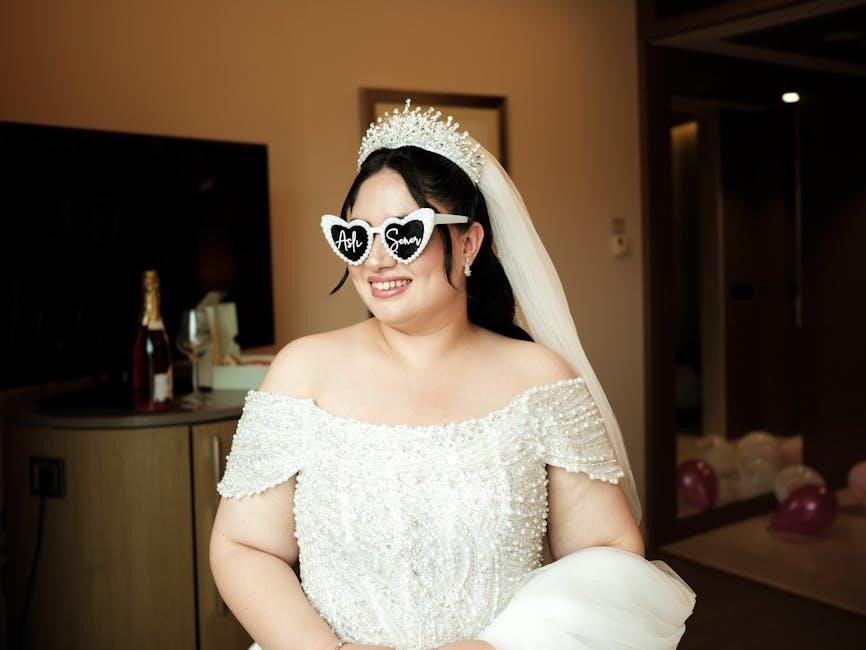
The skirt itself may need shortening, and potentially taken in at the waist to prevent bunching. Brides should anticipate alterations to create a balanced silhouette, as the voluminous skirt can sometimes overwhelm a smaller frame. A skilled seamstress can expertly tailor the gown, ensuring comfort and a flattering fit for a truly magical bridal look.

Alterations: Expect the Unexpected
Alterations are almost always necessary, even with a seemingly perfect fit. Budget accordingly, as costs vary, and remember that multiple fittings are often required.
Common Alterations and Their Costs
Expect to budget for alterations, as they are a standard part of the wedding dress process. Hemming the dress to the correct length is frequently needed, typically ranging from $100 to $300, depending on the fabric and complexity. Taking in or letting out the sides usually costs between $75 and $250 per side. Adjusting the bodice for a perfect fit can range from $100 to $400, especially if significant changes are required.
Adding straps or sleeves, or altering existing ones, can add another $50 to $150 per strap/sleeve. More complex alterations, like completely reshaping the bodice or adding intricate detailing, can easily exceed $500. Remember that rush fees can significantly increase these costs, so plan ahead and allow ample time for alterations before your wedding date. A qualified seamstress will provide a detailed quote after your fitting, outlining the specific costs for each alteration needed.
Finding a Qualified Seamstress
Selecting the right seamstress is paramount for achieving a flawless fit. Ask for recommendations from your bridal boutique, friends, or online wedding groups. Review their portfolio to assess their skill and experience with wedding dresses – look for examples of similar styles to yours. Schedule consultations with several seamstresses to discuss your alterations and get quotes.
During the consultation, assess their communication style and ensure they understand your vision. A good seamstress will listen carefully, offer expert advice, and explain the alteration process clearly. Check online reviews and verify their credentials. Avoid seamstresses who offer unrealistically low prices, as quality work requires expertise and time. Trust your instincts and choose someone you feel comfortable with and confident in.
Plus Size Wedding Dresses
Dedicated boutiques and designers offer stunning plus-size options, ensuring every bride feels beautiful and confident on her special day, regardless of size.
Dedicated Plus Size Bridal Boutiques
Fortunately, the bridal industry is becoming increasingly inclusive, with a growing number of boutiques specializing in plus-size wedding dresses. These boutiques understand the unique needs and desires of curvier brides, offering a more comfortable and personalized shopping experience. Unlike mainstream salons with limited options, dedicated plus-size boutiques carry a wider range of styles, sizes, and designers specifically catering to fuller figures.
Expect knowledgeable staff who are skilled in fitting and alterations for larger body types. They can guide you towards silhouettes that flatter your shape and ensure a perfect fit. Many boutiques also offer private appointments, allowing you to browse and try on dresses in a relaxed and supportive environment. Searching online for “plus size bridal boutiques near me” is a great starting point to discover local options. Remember to check reviews and browse their online catalogs before scheduling a visit.
Styles That Flatter Different Body Types
Choosing a wedding dress that complements your body shape is key to feeling confident and beautiful on your big day. A-line dresses are universally flattering, creating a balanced silhouette. For pear-shaped figures, an A-line or empire waist can accentuate the waist and skim over the hips. Hourglass shapes shine in fitted styles like mermaid or trumpet gowns, highlighting curves.
If you’re apple-shaped, consider a dress with a dropped waist or empire line to draw attention upwards. Ballgowns work well for many body types, offering a classic and romantic look. Don’t be afraid to experiment with different necklines and sleeve lengths to find what suits you best. Ultimately, the most flattering style is the one that makes you feel amazing!
Shopping Online for Wedding Dresses
Online wedding dress shopping presents both convenience and risks; carefully review return policies and size exchange details before committing to a purchase.
Risks and Benefits of Online Shopping
Embarking on the journey of online wedding dress shopping offers a unique blend of advantages and potential pitfalls for brides-to-be. The convenience is undeniable – browsing a vast selection from the comfort of your home, often at more competitive prices, is a significant draw. However, the inability to physically try on dresses before purchasing presents a considerable risk. Sizing discrepancies are common, as bridal sizes often differ from standard street sizes, and variations can occur between brands.
Furthermore, accurately assessing the fabric quality, construction, and overall fit from online images alone can be challenging. Return policies are paramount; thoroughly investigate the retailer’s procedures for returns and size exchanges, noting any associated costs or time limitations. While online shopping expands your options and can save time, diligent research and a clear understanding of the retailer’s policies are essential to avoid disappointment and ensure a perfect fit for your special day.
Return Policies and Size Exchanges
Navigating return policies and size exchange procedures is absolutely critical when purchasing a wedding dress, especially online. Before finalizing any purchase, meticulously review the retailer’s specific guidelines. Understand the timeframe allowed for returns – it’s often shorter than standard clothing purchases – and any associated fees, such as restocking charges or return shipping costs. Many bridal retailers have strict policies regarding alterations; a dress that has been altered may be non-returnable.
Size exchanges can be complex, depending on availability. Confirm whether a direct exchange is possible or if a refund will be issued, requiring you to repurchase the correct size. Be aware of potential delays in processing returns and exchanges, particularly during peak wedding season. Document all communication with the retailer and retain proof of purchase and shipping. A clear understanding of these policies will protect your investment and ensure a stress-free experience.