The Noma Guide to Fermentation: A Comprehensive Overview
Noma’s revolutionary approach to fermentation, spearheaded by David Zilber, profoundly impacted modern cuisine, emphasizing preservation and unique flavor development through microbial cultures.
This guide explores techniques—lacto-fermentation, koji utilization, and garum creation—inspired by Noma’s innovative practices, alongside health benefits and troubleshooting advice.
The collaboration with Novonesis signifies a future where culinary arts and biosolutions converge, pushing the boundaries of taste and sustainability within fermentation.
Fermentation, an age-old practice of preserving food, has experienced a remarkable resurgence, largely fueled by the groundbreaking work at Noma, the renowned Copenhagen restaurant. Before its closing in 2017, Noma didn’t just utilize fermentation; it elevated it to an art form, meticulously exploring the potential of microbial cultures to unlock complex flavors and textures.
Noma’s influence stems from its dedication to foraging and hyper-local sourcing, necessitating innovative preservation methods. This led to a deep dive into traditional fermentation techniques, alongside the development of entirely new ones, guided by the expertise of fermentation director, David Zilber. He championed the idea that fermentation wasn’t merely about preservation, but about transformation – creating ingredients with unparalleled depth and umami.
The Noma guide to fermentation isn’t a rigid set of rules, but rather a philosophy. It’s about understanding the science behind the process, respecting the microbial world, and embracing experimentation. This approach has inspired chefs and home cooks alike to explore the vast possibilities of fermented foods, from classic kimchi and sauerkraut to innovative creations like garums and koji-infused delicacies.
The History of Fermentation: A Cultural Perspective
Fermentation isn’t a modern invention; it’s a practice deeply interwoven with human history, predating agriculture itself. For millennia, cultures worldwide have harnessed the power of microorganisms to preserve food, enhance flavor, and even create intoxicating beverages. From the ancient Sumerians brewing beer to the Chinese developing soy sauce and miso, fermentation has been fundamental to culinary traditions.
Exploring this history reveals that fermentation wasn’t simply a matter of practicality, but also of cultural significance. Fermented foods often held ritualistic or medicinal value, representing a connection to the natural world and ancestral knowledge. Different regions developed unique fermentation techniques based on locally available ingredients and environmental conditions.
Noma’s approach to fermentation acknowledges this rich heritage, drawing inspiration from diverse culinary traditions while simultaneously pushing boundaries. Understanding the historical context—as highlighted in books like Sandor Katz’s “Our Fermented Lives”—provides a deeper appreciation for the art and science of fermentation, and informs Noma’s innovative spirit.
David Zilber: The Fermentation Director at Noma
David Zilber, as Fermentation Director at the renowned Noma, revolutionized the restaurant’s culinary approach, elevating fermentation from a preservation technique to a central creative force. His dedication transformed Noma’s kitchen into a laboratory of microbial exploration, constantly experimenting with new cultures and fermentation methods.
Zilber’s influence extended beyond Noma’s walls, inspiring a global resurgence of interest in fermentation. He’s known for maintaining a constantly rotating array of ferments in his refrigerator, showcasing the vast possibilities of this ancient practice. His expertise lies in unlocking umami and complex flavors through controlled microbial activity.
His work emphasizes the importance of understanding the science behind fermentation, while also respecting the traditional knowledge passed down through generations. Zilber’s passion and innovative spirit are key to Noma’s groundbreaking fermentation program, and a driving force behind the current fermentation movement.
Core Principles of Fermentation
Fermentation, at its core, is a metabolic process where microorganisms—bacteria, yeast, and molds—transform food substances. This transformation isn’t merely about preservation; it’s about unlocking new flavors, textures, and nutritional benefits. Key principles include controlling the environment – temperature, salinity, and oxygen levels – to favor desired microbial growth.
Understanding the interplay between these factors is crucial. Salt, for example, inhibits undesirable bacteria while allowing salt-tolerant microbes to thrive. Temperature dictates the speed and type of fermentation. Furthermore, the initial quality of ingredients significantly impacts the final product.
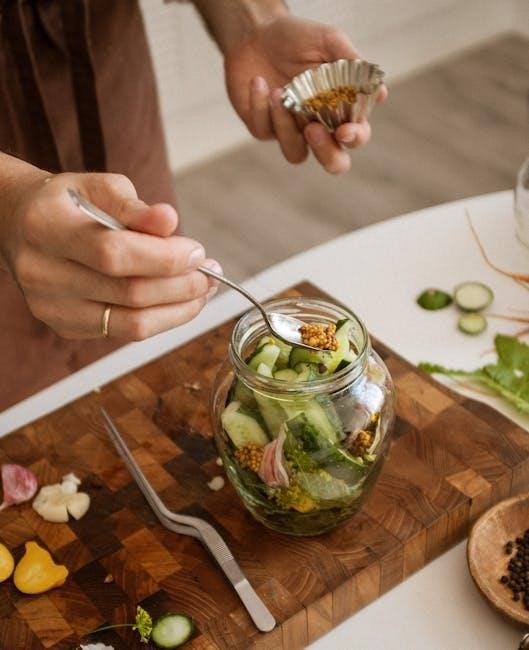
Noma’s approach emphasizes meticulous attention to detail and a deep understanding of microbial ecology. Successful fermentation relies on fostering a balanced microbial community, creating a dynamic ecosystem where flavors evolve and deepen over time. It’s a process of guided transformation, not simply leaving food to chance.
Understanding Microbial Cultures
Noma’s fermentation philosophy centers on harnessing the power of microbial cultures. These aren’t simply “good” or “bad” – they’re diverse communities with complex interactions. Lactobacillus bacteria are pivotal in lacto-fermentation, producing lactic acid which preserves food and imparts a tangy flavor. Yeasts drive alcoholic fermentation, crucial for beverages and some vegetable ferments.
However, understanding the nuances is key. Different strains within a species exhibit varying characteristics. Wild fermentation, relying on naturally present microbes, yields unique, terroir-driven results, but requires careful monitoring. Cultured starters offer predictability and consistency.
David Zilber’s work at Noma involved isolating and cultivating specific strains to achieve desired flavor profiles. Recognizing the impact of these microscopic organisms is fundamental to mastering fermentation, transforming ingredients through their metabolic processes.
Essential Equipment for Home Fermentation
Embarking on home fermentation, inspired by Noma’s techniques, doesn’t require extensive investment. Core equipment includes glass jars – wide-mouth options are ideal for easy packing and cleaning. Airtight lids or fermentation weights are crucial to maintain anaerobic conditions, preventing mold growth.
A digital scale ensures accurate ingredient measurements, vital for consistent results. pH strips help monitor acidity levels, particularly important in vegetable ferments. While not essential, a food processor or mandoline simplifies vegetable preparation.
Temperature control is key; a dedicated fermentation chamber isn’t necessary, but a consistent, cool environment is. Cleanliness is paramount – thoroughly sanitize all equipment before use. Investing in quality tools enhances the process, mirroring Noma’s dedication to precision and quality.
Fermentation Techniques: A Deep Dive
Noma’s fermentation philosophy centers on harnessing natural microbial activity to transform ingredients. Lacto-fermentation, a cornerstone technique, utilizes salt to create an environment favoring beneficial bacteria, preserving vegetables and developing complex flavors. Koji fermentation, employing Aspergillus oryzae, unlocks umami, breaking down starches and proteins.
Beyond these, Noma pioneered liquid ferments – garums – extracting savory essences from various ingredients. These techniques demand precise control of temperature, salinity, and oxygen exposure. Understanding the role of different microbial communities is crucial for successful fermentation.
Experimentation is encouraged, mirroring Noma’s innovative spirit. Mastering these core techniques unlocks a world of flavor possibilities, allowing home fermenters to replicate and adapt Noma’s groundbreaking approach to food preservation and enhancement.
Lacto-Fermentation: The Foundation
Lacto-fermentation, central to Noma’s approach, relies on lactic acid bacteria to preserve and transform vegetables; This process doesn’t require vinegar; instead, salt draws out moisture, creating a brine where these beneficial microbes thrive, inhibiting harmful bacteria.
Noma utilizes this technique extensively for creating kimchi, sauerkraut, and pickled vegetables, achieving nuanced flavors beyond simple pickling. Key factors include salt concentration, temperature control, and anaerobic conditions – ensuring vegetables are fully submerged in brine.
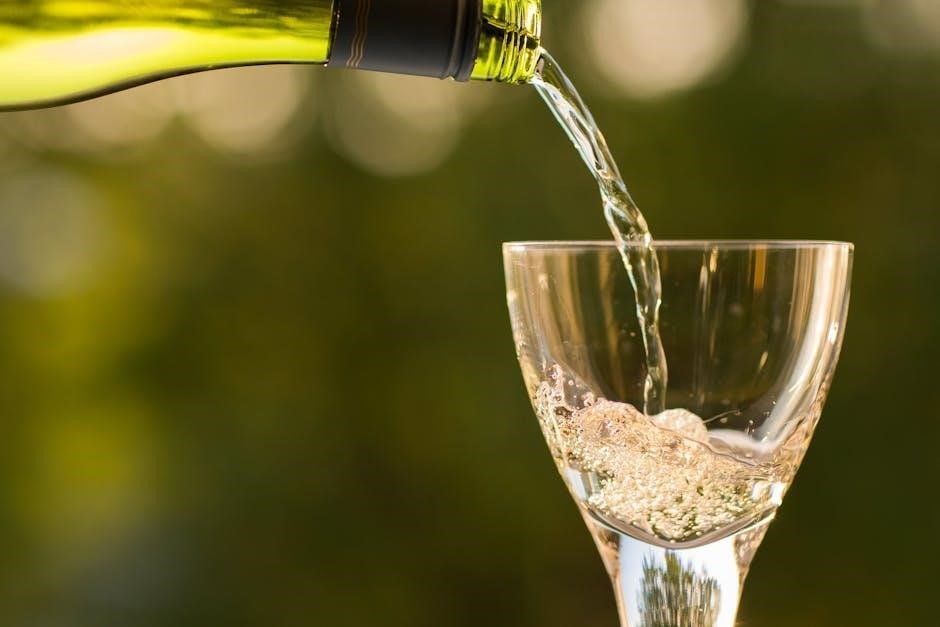
Successful lacto-fermentation yields a tangy, complex product rich in probiotics. It’s a relatively simple, yet profoundly impactful technique, forming the bedrock of many Noma-inspired ferments. Mastering this foundation unlocks a gateway to exploring more advanced fermentation methods.
Vinegar Production: Beyond the Basics
Noma’s exploration of vinegar transcends conventional production, viewing it as a fermentation project rather than a simple acidifying agent. They utilize a two-stage fermentation process: first, alcohol is created from fruits or grains, then acetic acid bacteria convert that alcohol into vinegar.
This method allows for control over flavor profiles, resulting in vinegars with unique complexities. Noma experiments with diverse base ingredients – from foraged berries to leftover fruit pulp – to create distinctive vinegars that enhance their dishes.
The process demands patience and careful monitoring of the ‘mother’ – a cellulose-based colony of acetic acid bacteria. Beyond flavor, Noma leverages vinegar’s preservative qualities, extending the shelf life of ingredients and creating innovative condiments.
Koji: The Umami Powerhouse
Noma elevated koji – a mold, Aspergillus oryzae – from a staple in Japanese fermentation to a central element in their culinary philosophy. They recognized koji’s remarkable ability to unlock umami, transforming starches and proteins into intensely flavorful compounds.
Unlike typical fermentation focusing solely on preservation, Noma utilizes koji for enzymatic breakdown, creating building blocks for sauces, marinades, and even aging meats. This process tenderizes and deepens flavors, adding a savory depth previously unattainable.
David Zilber championed koji’s versatility, experimenting with various grains like barley and rice. Noma’s approach isn’t just about the final product; it’s about understanding and harnessing the power of these microscopic organisms to unlock new culinary possibilities.
Garums & Liquid Ferments
Noma reimagined ancient techniques, particularly the production of garum – a fermented fish sauce – moving beyond traditional methods to explore diverse ingredients. They applied the principles of liquid fermentation to vegetables, fruits, and even animal proteins, creating intensely flavorful and complex condiments.
These aren’t simple brines; Noma’s garums involve carefully controlled enzymatic breakdown, utilizing salt and sometimes koji to unlock umami and create unique flavor profiles. The process demands patience, often taking months or even years to develop fully.

David Zilber emphasized the importance of understanding the microbial activity driving these liquid ferments. Noma’s experimentation yielded a spectrum of garums, from delicate floral notes to deeply savory, almost meaty flavors, showcasing the transformative power of fermentation.
Noma-Inspired Fermentation Recipes
Noma’s influence extends beyond technique, inspiring a wave of innovative recipes centered around fermented ingredients. These aren’t merely additions to dishes; fermentation is the core of the flavor building process, transforming simple components into complex culinary experiences.

Recipes often feature garums as foundational elements, lending umami depth to sauces and marinades. Fermented vegetable purees, utilizing lacto-fermentation, become vibrant components in spreads and dressings. Koji-cured meats and fish showcase the power of enzymatic breakdown.
The emphasis is on seasonality and foraging, incorporating wild ingredients into ferments. David Zilber’s approach encourages experimentation, adapting traditional methods to unique local produce. These recipes aren’t about strict adherence, but about understanding the principles and embracing creative exploration.

Vegetable Ferments: Kimchi, Sauerkraut & More
Noma’s exploration of vegetable fermentation transcends traditional recipes, viewing them as starting points for innovation. While kimchi and sauerkraut represent foundational techniques, the restaurant pushes boundaries with unusual vegetable combinations and fermentation durations.
Emphasis is placed on utilizing the entire vegetable – stems, leaves, and roots – minimizing waste and maximizing flavor. Fermentation isn’t solely about preservation; it’s about unlocking hidden tastes and textures. Different brining solutions and spice blends are employed to create diverse flavor profiles.
Lacto-fermentation is central, fostering beneficial microbes that enhance digestibility and nutritional value. Noma often incorporates foraged vegetables, adding a unique terroir to their ferments. These vegetable creations serve as versatile ingredients, enriching sauces, garnishes, and main courses.
Fruit Ferments: Exploring Sweet & Sour
Noma approaches fruit fermentation with the same experimental spirit as vegetable ferments, challenging conventional notions of sweetness and acidity. Beyond simple fruit preserves, they explore nuanced flavor development through controlled microbial activity.
Fermenting fruits allows Noma to capture fleeting seasonal flavors and transform them into complex ingredients. Techniques range from lacto-fermentation of berries to utilizing fruit sugars for alcoholic fermentation, creating vinegars and shrubs. The goal isn’t merely preservation, but flavor transformation.
Unripe fruits are often favored, as their higher acidity provides a more favorable environment for fermentation. Noma frequently pairs fermented fruits with savory dishes, creating unexpected and harmonious flavor combinations. These ferments contribute brightness and depth to sauces, desserts, and even meat preparations.
Dairy Ferments: Yogurt, Kefir & Beyond
Noma’s exploration of dairy fermentation extends far beyond traditional yogurt and kefir, delving into the unique possibilities offered by diverse microbial cultures and milk sources. They treat dairy as a canvas for experimentation, seeking to unlock hidden flavors and textures.
The restaurant utilizes both animal and plant-based milks, experimenting with fermentation times and temperatures to achieve specific flavor profiles. Noma isn’t simply replicating existing dairy ferments; they’re creating entirely new ones, often incorporating koji or other unique starters.
These fermented dairy products aren’t always consumed directly; they frequently serve as ingredients in sauces, dressings, and desserts, adding a subtle tang and complexity. The focus is on utilizing the transformative power of fermentation to elevate the overall dining experience, showcasing the versatility of dairy.
Grain & Bean Ferments: Miso, Tempeh & Sourdough
Noma’s approach to grain and bean fermentation showcases a deep respect for traditional techniques, like miso and tempeh production, while simultaneously pushing boundaries with innovative applications. They view these ferments not just as ingredients, but as foundational building blocks for complex flavors.
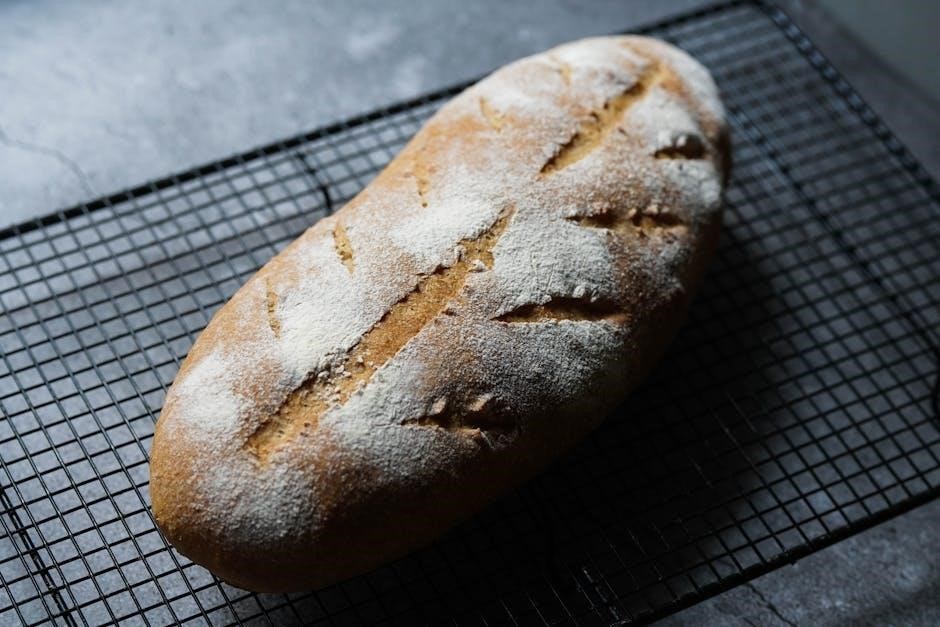
Sourdough, a cornerstone of baking, receives particular attention, with Noma cultivating unique starters and experimenting with different grain varieties to achieve distinct acidity and crumb structures. Beyond bread, sourdough discard finds its way into sauces and even desserts.
The team meticulously controls fermentation parameters – temperature, humidity, and time – to optimize flavor development and texture. They also explore lesser-known bean ferments, seeking to unlock umami-rich profiles and create entirely new culinary experiences, demonstrating fermentation’s transformative potential.
The Health Benefits of Fermented Foods
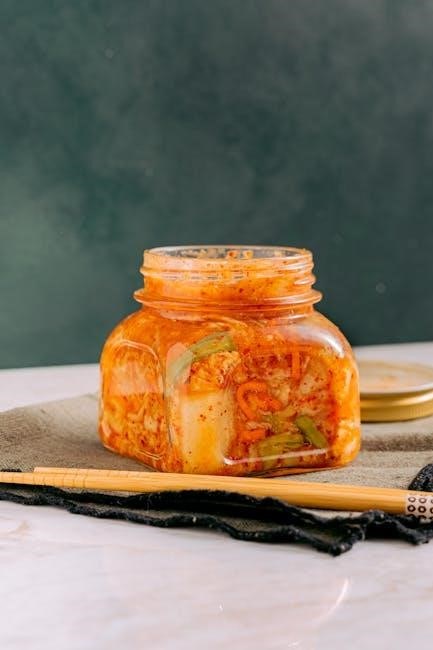
Noma’s emphasis on fermentation isn’t solely driven by flavor; a core tenet is recognizing the profound health benefits inherent in these age-old processes. Fermented foods, like kimchi and sauerkraut, are celebrated for their ability to support a thriving gut microbiome, a crucial element of overall well-being.
The restaurant champions the idea that a diverse gut flora enhances nutrient absorption, strengthens the immune system, and even influences mental health. David Zilber consistently highlights the importance of incorporating fermented foods into daily diets, viewing them as preventative medicine.
Noma’s research delves into the specific microbial strains present in their ferments, aiming to maximize their probiotic potential. They believe that carefully crafted ferments can contribute to a more resilient and balanced internal ecosystem, promoting long-term health and vitality.
Gut Microbiome & Fermentation
Noma’s exploration of fermentation is deeply intertwined with understanding the gut microbiome – the complex community of microorganisms residing in our digestive system. They view fermentation not just as a culinary technique, but as a method of cultivating beneficial bacteria that positively impact gut health.
David Zilber and the Noma team meticulously study how different fermentation processes affect the composition of microbial cultures. They aim to create ferments rich in diverse strains, fostering a balanced and resilient gut environment.
The restaurant’s approach emphasizes that a healthy gut microbiome is foundational for overall well-being, influencing everything from immunity and digestion to mental health. By consuming fermented foods, individuals can actively nourish and diversify their gut flora, promoting a stronger and more balanced internal ecosystem, mirroring Noma’s philosophy.
Boosting Immunity Through Fermented Foods
Noma’s dedication to fermentation extends beyond flavor; it’s rooted in the understanding that fermented foods are potent immune system boosters. The process of fermentation generates probiotics – live microorganisms – which play a crucial role in strengthening the body’s natural defenses.
These probiotics contribute to a healthier gut microbiome, and approximately 70% of the immune system resides within the gut. By regularly incorporating fermented foods, like those inspired by Noma’s techniques, individuals can enhance their immune response and resilience.
David Zilber’s work highlights how specific fermentation methods can cultivate strains of bacteria known to modulate immune function. This proactive approach to health, championed by Noma, emphasizes the power of food as medicine, offering a delicious and natural way to fortify the body’s defenses.
Troubleshooting Common Fermentation Issues
Even with meticulous attention to detail, fermentation can present challenges. Identifying issues early is key, and Noma’s approach emphasizes careful observation. A common concern is differentiating between harmless kahm yeast – a white, film-like growth – and undesirable mold, which can be fuzzy and colored.
Spoilage can occur due to insufficient salt concentration, improper temperature control, or contamination. Maintaining anaerobic conditions is vital, often achieved through using airlocks or submerged weights. Addressing these factors promptly prevents unwanted bacterial growth.
David Zilber’s expertise stresses the importance of understanding the specific microbial environment of each ferment. If off-flavors or unusual textures develop, adjusting salinity, temperature, or fermentation duration can often rectify the problem. Thorough sanitation of equipment remains paramount for successful fermentation.
Mold vs. Kahm Yeast: Identifying the Difference
Distinguishing between kahm yeast and mold is crucial for safe fermentation. Kahm yeast appears as a harmless, white, film-like growth on the surface of ferments, often occurring when exposed to air. It’s generally benign, though it can impart a slightly off-flavor, and can be scraped off.
Mold, conversely, presents a more serious concern. It’s typically fuzzy, and can be various colors – black, green, blue, or pink. Mold indicates contamination and the ferment should be discarded entirely to avoid potential health risks.
Noma’s meticulous standards emphasize preventative measures, like maintaining proper brine levels and anaerobic environments, to minimize mold growth. Careful observation and understanding these visual differences, as championed by David Zilber, are essential skills for any fermenter.
Preventing Spoilage & Ensuring Safety
Maintaining a safe fermentation environment, as practiced at Noma, hinges on several key principles. Strict hygiene is paramount – sterilize equipment thoroughly before use. Maintaining appropriate salt concentrations in brines inhibits undesirable microbial growth, favoring beneficial bacteria.
Anaerobic conditions are vital; submerge vegetables completely in liquid, using weights if necessary, to prevent oxygen exposure and mold development. Regularly “burp” ferments to release built-up gases, preventing pressure build-up and potential explosions.
David Zilber emphasized consistent monitoring for off-odors or unusual textures. Trust your senses – if something seems amiss, discard it. Proper storage, typically refrigeration, slows down fermentation and extends shelf life, ensuring a safe and delicious final product.
The Future of Fermentation: Noma & Novonesis Collaboration
Noma’s partnership with Novonesis, a global biosolutions leader, marks a pivotal moment in fermentation’s evolution. This collaboration isn’t merely about replicating existing techniques; it’s about fundamentally understanding and optimizing the microbial processes at the heart of flavor development.
Novonesis’s expertise in enzyme technology and microbial strain development complements Noma’s culinary innovation, promising breakthroughs in areas like garum production and koji cultivation. The goal is to unlock new flavor profiles and enhance the efficiency of fermentation processes.
This synergy aims to make advanced fermentation accessible beyond high-end restaurants, potentially revolutionizing food production and sustainability. It represents a fusion of culinary artistry and scientific rigor, shaping the future of taste and food systems.
Fermentation in Modern Cuisine
Noma significantly propelled fermentation into the forefront of modern gastronomy, shifting it from a traditional preservation method to a celebrated culinary technique. This influence extends far beyond its Copenhagen kitchen, inspiring chefs globally to explore the depth and complexity of flavor achievable through microbial transformation.
The restaurant’s emphasis on lacto-fermentation, koji, and unique garums demonstrated the potential to create entirely new taste sensations, moving beyond simple sourness or funk. This sparked a wave of experimentation, with chefs incorporating fermented ingredients into diverse dishes.
Today, fermentation is no longer a niche practice but a core element of innovative cuisine, valued for its ability to enhance umami, texture, and nutritional value; Noma’s legacy continues to shape how chefs approach flavor and sustainability.
Resources & Further Reading on Fermentation
For a deeper understanding of Noma’s fermentation philosophy, explore “The Noma Guide to Fermentation” itself – a comprehensive resource detailing their techniques and principles. Sandor Katz’s “The Art of Fermentation” remains a foundational text, offering a broad overview of global fermentation practices.
“Our Fermented Lives: A History of How Fermentation Has Shaped Cultures and Communities” provides valuable cultural context, illuminating the historical significance of fermentation. Online resources, like websites dedicated to fermentation and food preservation, offer practical guidance and troubleshooting tips.

Stay updated with articles from publications like the BBC Food Programme and The Guardian, which frequently feature insights from fermentation experts like David Zilber. Exploring these resources will empower you to confidently embark on your own fermentation journey.