
Denture Tooth Shape Guide: A Comprehensive Overview (Updated 12/16/2025)
This guide explores denture tooth shapes, addressing aesthetics, function, and psychological impact, while considering materials and advancements like implant retention for optimal results.
Dentures, essential for restoring smiles and function after tooth loss, aren’t one-size-fits-all. The shape of denture teeth significantly impacts aesthetics, chewing efficiency, and even speech. Replacing missing teeth with removable false teeth, like dentures, requires careful consideration of tooth morphology.
Various shapes – ovoid, tapered, square, and conical – offer different visual and functional outcomes. Understanding these options is crucial for both dentists and patients. Recent research highlights the emotional toll of tooth loss, emphasizing the importance of restoring not just function, but also confidence. Partial dentures, too, benefit from thoughtful shape selection, harmonizing with existing dentition.

The Importance of Tooth Shape in Denture Aesthetics
Tooth shape profoundly influences the overall aesthetic outcome of dentures, impacting facial harmony and patient self-perception. A natural-looking smile boosts confidence, counteracting feelings of self-consciousness and shame often experienced after tooth loss. The correct shape complements facial features, restoring a youthful appearance.
Incorrect shapes can appear unnatural, detracting from the overall result. Careful consideration of age and gender-specific preferences is vital. Dentists strive to recreate the appearance of natural teeth, enhancing the patient’s quality of life. Aesthetic success directly addresses the psychological impact of tooth loss, fostering a positive self-image.
Understanding Anatomical Tooth Forms
Replicating natural tooth morphology is crucial for successful denture aesthetics and function. Natural teeth exhibit subtle variations in shape, size, and texture, contributing to a realistic appearance. Dentists utilize this as a baseline when selecting or customizing denture teeth. Understanding the anatomical forms of canines, incisors, premolars, and molars is essential.
These forms dictate chewing efficiency and speech clarity. Deviations from natural anatomy can lead to functional issues and an unnatural smile. Careful observation and replication of existing tooth structures, when possible, enhance the overall outcome and patient satisfaction.
Natural Tooth Morphology as a Baseline
Prior to denture fabrication, a thorough understanding of natural tooth morphology is paramount. This involves analyzing the subtle curves, grooves, and variations present in a patient’s remaining teeth, or referencing established dental anatomy standards. The goal is to mimic these natural features as closely as possible.
Using natural tooth forms as a baseline ensures the dentures blend seamlessly with the patient’s existing oral structures, enhancing aesthetics and function. This approach minimizes the artificial appearance and promotes comfortable chewing and clear speech. It’s the foundation for a successful and satisfying denture experience.
Common Denture Tooth Shapes
Several established tooth shapes are frequently utilized in denture construction, each offering distinct aesthetic and functional characteristics. Ovoid shapes present a softer, more rounded appearance, often favored for their natural look. Tapered shapes mimic the gradual narrowing of natural teeth, enhancing realism. Square shapes provide a bolder, more defined aesthetic, while conical shapes offer a pointed, slightly more youthful appearance.
The selection of the appropriate shape depends on individual patient needs, facial features, and desired outcome. Dentists carefully consider these factors to create dentures that are both visually appealing and functionally effective.
Ovoid Tooth Shapes
Ovoid tooth shapes, characterized by their rounded and softly contoured forms, are a popular choice for dentures aiming for a natural and gentle aesthetic. These shapes lack sharp angles, creating a more youthful and approachable appearance. They blend seamlessly with surrounding facial tissues, minimizing a potentially artificial look.
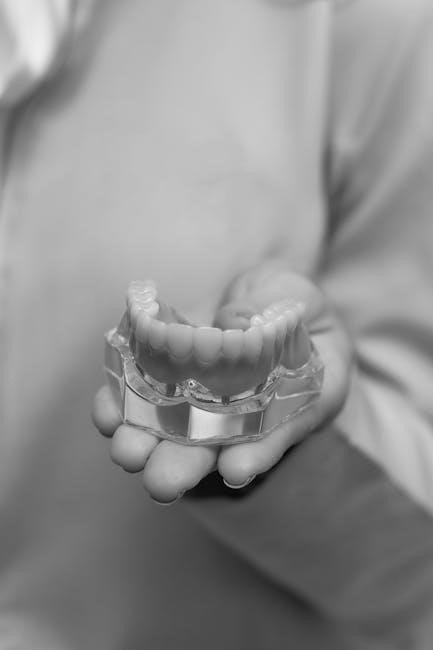
Ovoids are particularly well-suited for individuals with softer facial features or those desiring a less pronounced smile. They often contribute to a more harmonious overall facial balance, enhancing confidence and comfort for the denture wearer.
Tapered Tooth Shapes
Tapered denture teeth feature a gradual narrowing from the incisal edge to the cervical area, mimicking the natural inclination of many individuals’ teeth. This design creates a more dynamic and realistic appearance, particularly when viewed in motion during speech or chewing. They offer a balance between a defined smile and a natural look.
Tapered shapes are often favored for patients seeking a slightly more defined aesthetic without appearing overly aggressive. They can be particularly effective in restoring a youthful vitality to the smile, enhancing facial harmony and overall confidence.
Square Tooth Shapes
Square denture teeth exhibit straight, defined lines and minimal tapering, creating a bolder and more structured appearance. This shape is characterized by flat, broad surfaces and sharp angles, offering a distinctly modern aesthetic. While less common than ovoid or tapered shapes, square teeth can be a suitable choice for specific patients.
Historically, square shapes were more prevalent, but contemporary preferences lean towards more natural forms. However, they can be effective in certain cases, particularly when aiming for a strong, confident look or matching existing dentition with similar characteristics.

Conical Tooth Shapes
Conical denture teeth, as the name suggests, feature a distinct cone-like form, tapering significantly from the base to the incisal edge. This shape creates a youthful and somewhat delicate appearance, often favored for anterior teeth. They mimic the natural shape of younger, developing teeth, offering a softer aesthetic compared to square or even tapered options.
However, conical shapes require careful consideration as excessive tapering can compromise chewing efficiency. They are best suited for patients seeking a very natural, less pronounced tooth form, and often blended with other shapes for functional balance.
Materials Influencing Tooth Shape Options
The material used for denture teeth significantly impacts the achievable shapes and overall aesthetic. Acrylic denture teeth are the most common and versatile, allowing for a wide range of shapes and easy customization during fabrication and adjustments. Porcelain teeth, known for their lifelike appearance and resistance to wear, offer excellent detail but are more brittle and can cause wear on opposing natural teeth.
Composite denture teeth represent a middle ground, providing improved aesthetics and durability compared to acrylic, while being less prone to fracture than porcelain. Material choice dictates the precision and detail possible in replicating natural tooth morphology.
Acrylic Denture Teeth
Acrylic denture teeth remain the most frequently selected option due to their cost-effectiveness and ease of manipulation. They offer a broad spectrum of shapes, from ovoid to tapered, allowing for personalized aesthetics. Dentists can readily adjust acrylic teeth during the try-in phase, ensuring proper bite and comfort. While not as naturally translucent as porcelain, modern acrylics have improved in appearance.
These teeth are relatively soft, making them suitable for patients with limited opposing natural teeth, minimizing wear. However, they are more susceptible to staining and abrasion over time compared to other materials.
Porcelain Denture Teeth
Porcelain denture teeth were historically favored for their exceptional aesthetics and resistance to wear. They closely mimic the translucency and luster of natural teeth, offering a highly realistic appearance. Porcelain allows for detailed anatomical tooth forms, including subtle variations in shape and shade. However, porcelain is a brittle material.
This brittleness can lead to chipping or fracture, particularly if opposing natural teeth are present. Adjustments to porcelain teeth are more difficult and time-consuming than with acrylic, requiring specialized techniques.
Composite Denture Teeth
Composite denture teeth represent a more recent advancement, offering a balance between aesthetics and durability. These teeth are made from a resin material, providing improved impact resistance compared to porcelain, reducing the risk of chipping or fracture. Composite materials allow for a good level of customization in tooth shape and color, though perhaps not quite matching porcelain’s translucency.
They are generally easier to adjust and repair than porcelain teeth, simplifying modifications during the denture fitting process. Composite options are often more cost-effective than porcelain, making them accessible to a wider range of patients.
Shape Considerations for Upper Dentures
Upper denture tooth shapes significantly impact facial aesthetics and speech. Canine and incisor shapes often feature a more pronounced, slightly ovoid form to mimic natural teeth and support lip fullness, counteracting a collapsed facial profile post-tooth loss. A gentle taper is generally preferred for a natural appearance.
Premolars and molars in upper dentures typically exhibit a broader, more rounded shape to facilitate efficient chewing. Careful consideration of occlusal (biting) surfaces is crucial for proper function. The overall goal is to restore both form and function harmoniously.
Canine and Incisor Shapes for Upper Dentures
For upper dentures, canine and incisor shapes are paramount for aesthetics and speech. Ovoid forms are frequently chosen, mimicking natural tooth contours and providing lip support, crucial for a youthful appearance; A slight taper from incisal edge to cervical area enhances realism.
Canines often exhibit a subtle point, while incisors may have rounded or slightly squared edges. These shapes influence phonetics, aiding in clear articulation. Careful attention to shade and translucency further contributes to a natural, confident smile, addressing potential self-consciousness.
Premolar and Molar Shapes for Upper Dentures
Upper denture premolars and molars prioritize chewing efficiency and stability. Typically, these teeth feature broader, more square or tapered shapes compared to anterior teeth. This design maximizes surface area for grinding food effectively. Occlusal morphology—the biting surface—is crucial, mimicking natural cusps and grooves for proper bite alignment.
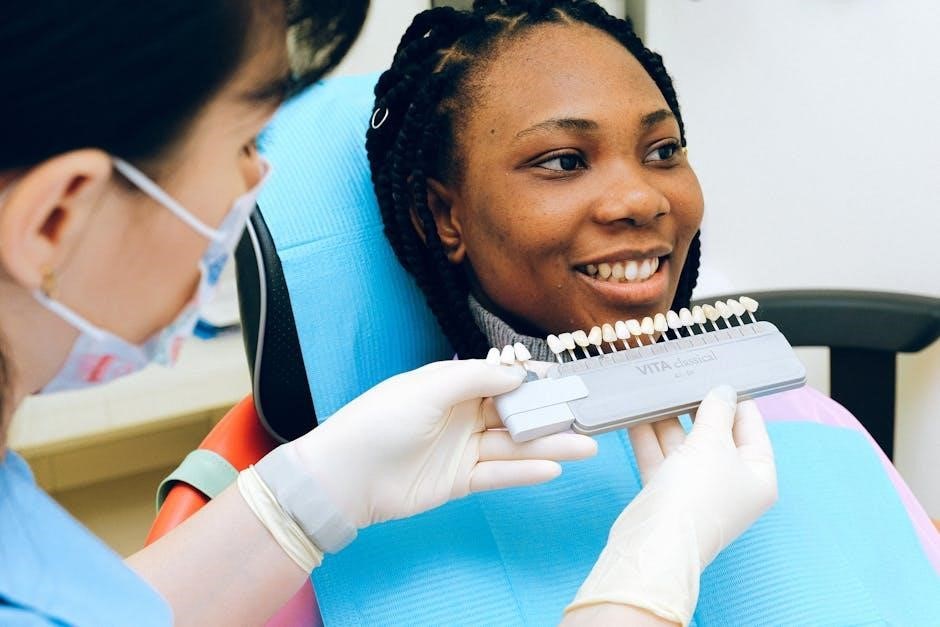
Slightly conical shapes can also be utilized, particularly for molars, to aid in guiding food during mastication. Proper shape selection contributes to balanced occlusion, preventing undue stress and ensuring long-term denture survival, enhancing overall function.
Shape Considerations for Lower Dentures
Lower denture tooth shape selection demands careful consideration due to limited support and increased functional demands. Generally, lower denture teeth are smaller and narrower than their upper counterparts, accommodating the reduced space within the mouth. A more anatomical approach is often favored, prioritizing natural-looking contours.
Shapes should facilitate proper occlusion and guide food during chewing. Achieving stability is paramount; therefore, designs that promote retention and minimize denture movement are essential. Careful planning ensures both aesthetics and functional success for lower dentures.
Canine and Incisor Shapes for Lower Dentures
For lower dentures, canine and incisor shapes are crucial for both aesthetics and function. Incisors typically exhibit a slightly tapered or ovoid form, avoiding overly square or bulky appearances. Canines should possess a subtle cusp to guide lateral movements during chewing, preventing excessive stress on the denture base.
A natural emergence profile is vital, mimicking the way teeth rise from the gums. These shapes contribute to proper speech and a confident smile. Avoiding exaggerated features ensures a harmonious blend with facial contours and overall denture acceptance.
Premolar and Molar Shapes for Lower Dentures
Lower denture premolars and molars require careful shaping to maximize chewing efficiency. Generally, these teeth feature broader, more robust forms compared to anterior teeth, with well-defined cusps and grooves. The occlusal surfaces should replicate natural tooth anatomy, facilitating effective grinding and crushing of food.
Slight tapering towards the cervical region aids in self-cleansing. Avoiding overly flat or rounded molars prevents premature wear and maintains proper vertical dimension. Accurate shape contributes to stability and minimizes stress on the supporting tissues, enhancing long-term denture success.
The Impact of Tooth Shape on Function
Denture tooth shape profoundly influences both chewing efficiency and speech clarity. Properly shaped teeth with appropriate cusp angles and occlusal surfaces enable effective food breakdown, preventing discomfort and digestive issues. Incorrect shapes can lead to uneven pressure, instability, and reduced chewing force.
Furthermore, tooth shape impacts articulation. Accurate incisal edges and proper tooth positioning facilitate clear pronunciation of sounds like ‘f’ and ‘v’. Poorly designed dentures can cause slurring or difficulty forming certain words, affecting confidence and communication.
Chewing Efficiency and Tooth Shape
Optimal chewing relies heavily on denture tooth shape, specifically cusp form and occlusal surface design. Well-defined cusps guide food into proper position for grinding, maximizing contact and force distribution. A balanced occlusion, achieved through carefully selected shapes, prevents localized stress and ensures efficient breakdown of food particles.
Shapes mimicking natural teeth generally offer superior chewing function. Conversely, flat or poorly contoured teeth diminish chewing effectiveness, potentially leading to discomfort, food impaction, and even temporomandibular joint issues. Proper shape selection is crucial for restoring a functional and comfortable bite.
Speech Clarity and Tooth Shape
Denture tooth shape significantly impacts speech, particularly the articulation of sounds requiring precise tongue-to-tooth contact. Incisal edges – the biting surfaces of front teeth – play a vital role in producing fricative sounds like ‘f’ and ‘v’. Incorrect shaping can lead to slurring or distortion of these sounds, causing frustration and communication difficulties.
Anatomical tooth forms, closely resembling natural dentition, generally promote clearer speech. The positioning and contours of teeth influence airflow and tongue placement. Careful consideration during denture fabrication minimizes speech impediments, restoring natural communication patterns and improving quality of life.
Age and Gender Considerations in Tooth Shape Selection
Tooth shape preferences evolve with age and differ between genders, influencing aesthetic outcomes. Younger patients often prefer brighter, more prominent teeth, while older individuals may opt for a more subdued, natural appearance reflecting wear over time; Gender plays a role too; generally, women favor softer, more rounded shapes, while men sometimes prefer slightly more defined, square forms.
Dentists consider these factors alongside facial features and existing dentition. Addressing self-consciousness related to tooth loss is crucial, tailoring shapes to boost confidence and restore a youthful, natural smile appropriate for each individual.
Tooth Shape Preferences by Age Group
Younger adults (20s-40s) frequently desire brighter, whiter teeth with a more pronounced shape, often leaning towards ovoid or slightly tapered forms for a modern aesthetic. Middle-aged individuals (40s-60s) typically seek a balance – natural-looking shapes with moderate brightness, favoring tapered or gently rounded designs.
Older adults (60+) generally prefer more realistic, worn appearances, often opting for softer, less defined shapes like rounded or slightly square forms to complement age-related facial changes and avoid an unnatural look. These preferences impact denture design significantly.
Gender-Specific Tooth Shape Aesthetics
Generally, women often prefer softer, more rounded tooth shapes for their dentures, with a focus on creating a feminine smile. Slightly ovoid or tapered incisors are common choices, enhancing perceived youthfulness and attractiveness. Men, conversely, tend towards more defined and square tooth shapes, projecting strength and maturity.
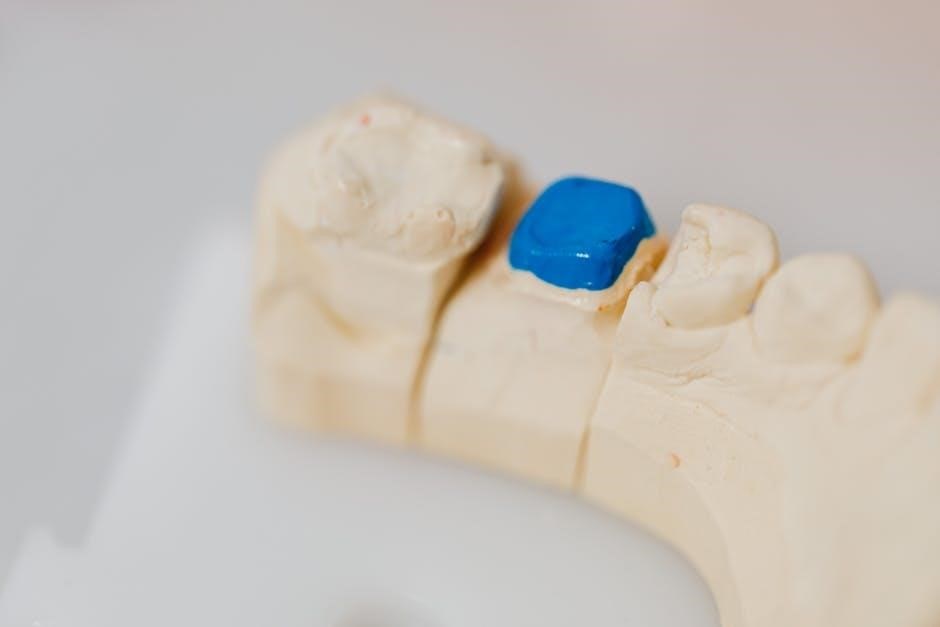
However, these are generalizations; individual preferences vary greatly. Dentists consider facial structure and personality when selecting shapes. Subtle variations in canine prominence and incisor width can significantly impact the overall aesthetic outcome, catering to individual gender expression.
Partial Denture Tooth Shape Considerations
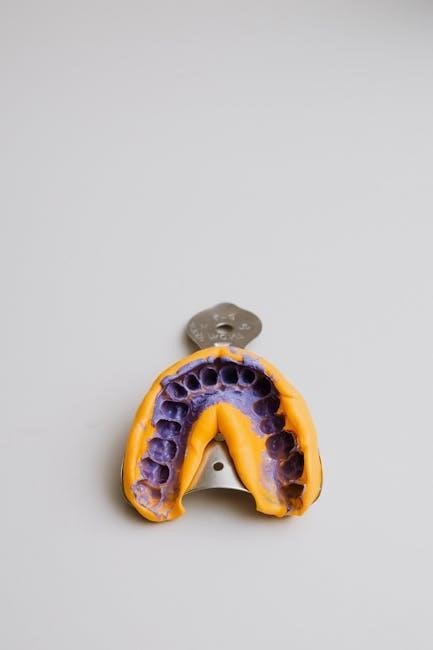
When fabricating partial dentures, seamlessly matching the existing tooth morphology is paramount for a natural appearance. Dentists meticulously analyze the shape, size, and shade of remaining teeth to replicate these characteristics in the prosthetic replacements. This ensures harmonious integration and avoids creating an obvious distinction between natural and artificial teeth.
Careful consideration is given to occlusal relationships and ensuring proper bite alignment. The chosen tooth shapes must complement the function of the remaining dentition, preserving chewing efficiency and preventing undue stress on adjacent teeth. Material selection also influences shape options and aesthetics.
Matching Existing Tooth Morphology
Achieving a natural aesthetic with partial dentures hinges on precisely matching the shape of the remaining teeth. This involves a detailed assessment of each tooth’s unique characteristics – its contours, grooves, and overall form. Dentists utilize advanced techniques and materials to replicate these nuances, ensuring a seamless blend between the natural and prosthetic components.
Successful morphological matching minimizes visual discrepancies and enhances the patient’s confidence. It’s not simply about selecting a generic tooth shape; it’s about creating a customized restoration that harmonizes with the individual’s existing dentition, restoring both function and a natural-looking smile.
The Role of the Dentist in Tooth Shape Selection
The dentist plays a pivotal role in guiding tooth shape selection, extending beyond mere functionality to encompass facial aesthetics. A comprehensive evaluation considers the patient’s facial structure, lip support, and overall smile design. Dentists leverage their expertise to recommend shapes that complement these features, restoring a youthful and balanced appearance.
This process involves open communication with the patient, understanding their preferences, and addressing any concerns regarding self-consciousness or shame related to tooth loss. The dentist’s skill ensures the chosen shapes not only look natural but also contribute positively to the patient’s self-esteem and quality of life.
Facial Aesthetics and Tooth Shape
Tooth shape profoundly impacts facial aesthetics, influencing how the lips and cheeks are supported. Properly selected shapes restore lost volume, mitigating the sunken appearance often associated with tooth loss. A dentist considers the patient’s unique facial contours, aiming for harmony between the dentures and existing features.
Specific shapes can address concerns like a collapsed bite or diminished lip support. For instance, fuller shapes may provide better lip projection, while tapered shapes can create a more natural smile line. Ultimately, the goal is to enhance the patient’s overall appearance and confidence, restoring a youthful and vibrant look.
Psychological Impact of Denture Tooth Shape
Tooth loss significantly impacts self-esteem, often leading to feelings of self-consciousness and shame. Recent research highlights the emotional challenges patients face, including fear of social interaction due to altered appearance. Selecting the right denture tooth shape is crucial for addressing these psychological concerns.
Aesthetically pleasing dentures can restore confidence and improve quality of life. Patients report feeling more comfortable smiling, speaking, and engaging socially when they are happy with their dentures’ appearance. Dentists must consider patient preferences and address any anxieties to ensure a positive outcome and emotional well-being.
Addressing Self-Consciousness and Shame
Patients experiencing self-consciousness or shame related to tooth loss require empathetic and comprehensive care. Open communication is vital; dentists should actively listen to patient concerns and validate their feelings. Discussing realistic expectations for denture aesthetics and function can alleviate anxiety.
Careful tooth shape selection plays a key role in restoring confidence. Choosing shapes that complement facial features and resemble natural teeth can significantly improve self-perception. Providing before-and-after visuals and offering try-in dentures allows patients to visualize the potential outcome, fostering a sense of control and reducing apprehension.
New Research on Patient Emotional Challenges
Recent research from the University of Sheffield highlights previously underestimated emotional burdens experienced by individuals following tooth loss. Studies reveal patients often grapple with feelings of self-consciousness, shame, and even fear, impacting their quality of life. These aren’t merely cosmetic concerns; they represent significant psychological distress.
Beyond physical sensations, the research emphasizes the social impact of tooth loss. Patients report avoiding smiling, social interactions, and certain foods due to embarrassment or discomfort. Understanding these emotional challenges is crucial for dentists to provide holistic care, addressing not just the functional aspects of dentures but also the patient’s emotional wellbeing.
Implant-Retained Denture Tooth Shape Options
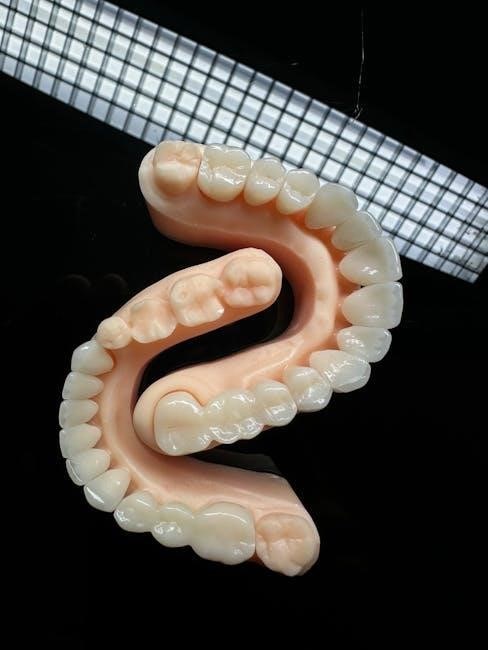
Implant-retained dentures offer enhanced stability and broadened aesthetic possibilities regarding tooth shape selection. Unlike conventional dentures, implants minimize bone resorption, preserving facial structure and allowing for more natural-looking tooth forms. Dentists can utilize a wider range of shapes – ovoid, tapered, or even more customized designs – with greater confidence in long-term success.
The increased retention also allows for more aggressive shaping of anterior teeth, improving lip support and smile aesthetics. Patients generally report higher satisfaction with implant-supported dentures, appreciating both the functional benefits and the improved confidence stemming from a more natural and secure smile.
Stability and Aesthetics with Implants
Implant-retained dentures dramatically improve both stability and aesthetics compared to traditional options. Implants anchor the denture, eliminating slippage and providing a secure bite, which directly impacts the achievable tooth shapes. Greater stability allows for more natural occlusal (biting) surfaces and realistic tooth contours.
Aesthetically, implants support the lip and cheek structure, preventing the sunken appearance often associated with denture wear. This allows for a wider range of tooth shape choices, enhancing the smile’s natural beauty and restoring facial harmony. Patients experience improved confidence and quality of life with these benefits.
Long-Term Survival Rates of Denture Shapes
Long-term denture survival varies significantly between maxillary (upper) and mandibular (lower) dentures. Research consistently demonstrates that maxillary dentures exhibit higher survival rates due to greater surface area and bone support. Mandibular dentures, facing challenges with stability and bone resorption, often require more frequent replacements or relining.
Tooth shape itself doesn’t directly impact survival, but its influence on function does. Shapes promoting efficient chewing reduce stress on the denture base. Implant-retained dentures show substantially improved longevity compared to conventional options, regardless of tooth shape, offering enhanced stability and support.
Maxillary vs. Mandibular Denture Longevity
Maxillary dentures generally demonstrate superior longevity compared to their mandibular counterparts. This difference stems from the broader surface area and greater bone support available in the maxilla, providing enhanced retention and stability. Mandibular dentures, conversely, are more susceptible to movement and bone resorption, leading to reduced lifespan.
Studies indicate a five-year survival rate of around 60-70% for maxillary dentures, while mandibular dentures typically fall between 40-50%. Implant support dramatically improves mandibular denture longevity, often exceeding 80% over five years, effectively bridging the gap in survival rates.
Future Trends in Denture Tooth Shape Design
The future of denture tooth shape design is rapidly evolving, driven by digital technologies and a deeper understanding of patient-specific needs. Digital denture design and customization are poised to revolutionize the field, allowing for precise tooth placement and morphology tailored to individual facial structures and aesthetic preferences.
Expect to see increased use of CAD/CAM systems for creating highly accurate dentures with optimized tooth shapes. Artificial intelligence (AI) may also play a role, predicting optimal shapes based on facial analysis and biomechanical principles, ultimately enhancing both function and aesthetics.
Digital Denture Design and Customization
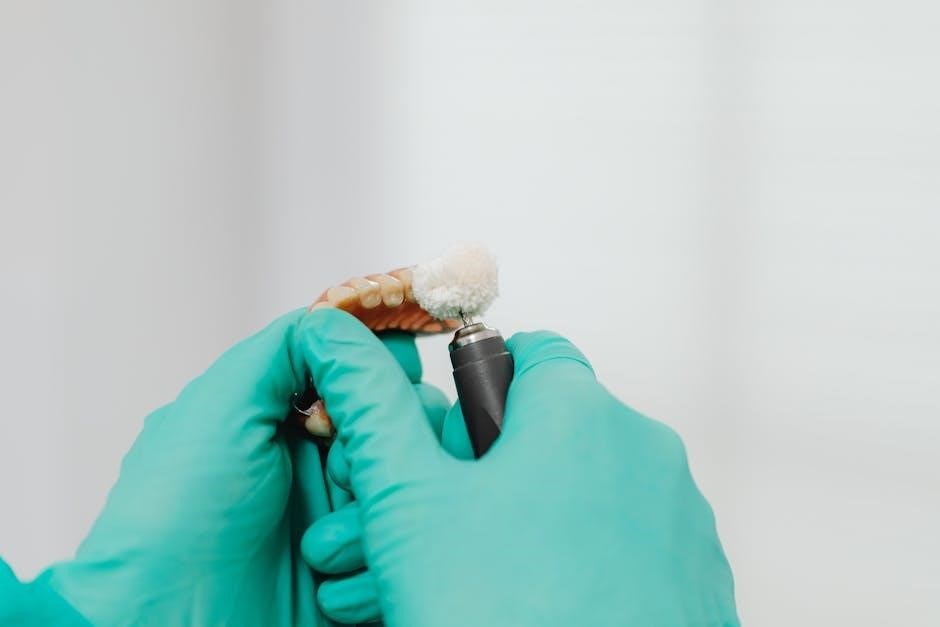
Digital denture design represents a paradigm shift, moving away from traditional methods towards precision and personalization. Utilizing intraoral scanners and CAD/CAM software, dentists can create virtual models of the patient’s mouth, enabling accurate tooth positioning and shape customization. This technology allows for previewing the final result before fabrication, ensuring patient satisfaction.
Customization extends beyond aesthetics; digital workflows facilitate optimizing occlusal surfaces for improved chewing efficiency. Furthermore, digital design streamlines the fabrication process, reducing errors and turnaround times, ultimately delivering superior dentures tailored to each individual’s unique anatomy and desires.