
Manual transmissions, while durable, exhibit specific symptoms when failing—like excessive play in the gear shift or unusual noises—requiring prompt attention for optimal vehicle performance.
Understanding the Importance of Early Detection
Early detection of manual transmission issues is crucial for preventing extensive and costly repairs. Ignoring initial signs, such as a gear popping out or difficulty shifting, can lead to significant internal damage. Addressing problems promptly—like clutch slippage or grinding noises—often allows for simpler fixes, potentially saving hundreds or even thousands of dollars.
Furthermore, delaying maintenance can compromise vehicle safety. A failing transmission can unexpectedly lock up or slip, creating a hazardous driving situation. Recognizing subtle indicators, like excessive play in the gear shift lever, empowers drivers to seek professional inspection before a minor inconvenience escalates into a major mechanical failure and a potential roadside emergency.

Common Signs of a Failing Manual Transmission
Common signs include difficulty shifting, grinding noises, clutch issues (slipping/sticking), and gears popping out—all indicating potential internal damage needing immediate attention.
Difficulty Shifting Gears
Experiencing trouble getting your vehicle into gear, or noticing it requires excessive force, is a significant indicator of potential manual transmission problems. This isn’t simply a matter of needing to “get used to” the vehicle; persistent difficulty suggests internal components aren’t engaging smoothly; You might find certain gears are harder to reach than others, or that the shifter feels notchy or resistant.
This issue often stems from worn synchronizers, which are crucial for matching the speeds of the gears during shifts. When synchronizers are failing, they can’t properly align the gears, leading to grinding or an inability to shift at all. Ignoring this symptom can lead to further damage, potentially requiring a complete transmission overhaul or replacement. Early detection and diagnosis are key to preventing more extensive and costly repairs.
Grinding Noises During Shifting
A prominent sign of a failing manual transmission is the unmistakable sound of grinding gears, particularly when attempting to shift. This harsh, metallic noise indicates that the gears aren’t smoothly meshing together, often because the synchronizers are worn or damaged. These components are designed to match gear speeds before engagement, preventing this abrasive contact.
Grinding can occur when shifting into any gear, but is frequently noticed when downshifting. Ignoring this symptom will accelerate wear on the gears themselves, potentially leading to chipped teeth or complete failure. While occasional grinding might occur with improper shifting technique, consistent grinding demands immediate attention from a qualified mechanic to diagnose and address the underlying issue before it escalates.
Clutch Problems: Slipping or Sticking
Issues with the clutch are frequently intertwined with manual transmission problems, often presenting as slipping or sticking. A slipping clutch manifests as the engine revving higher without a corresponding increase in vehicle speed, indicating the clutch isn’t fully engaging. Conversely, a sticking clutch can make shifting difficult, requiring excessive force or causing the car to creep forward even with the pedal fully depressed.
These issues aren’t always internal transmission faults; they can stem from a worn clutch disc, a faulty master or slave cylinder, or air in the hydraulic lines. However, persistent clutch problems can also signal internal transmission damage, necessitating a thorough inspection to pinpoint the root cause and prevent further complications.

Gear Popping Out of Place
Experiencing gears that unexpectedly pop out, often referred to as “jumping gears,” is a significant indicator of potential manual transmission trouble. This symptom suggests internal wear or damage within the transmission, specifically affecting the synchronizers or shift forks responsible for securely engaging each gear. It’s particularly concerning if it happens under acceleration or deceleration.
While occasional popping might occur due to improper shifting technique, consistent gear disengagement demands immediate attention. Ignoring this issue can lead to complete transmission failure. A professional diagnosis is crucial to determine if the problem lies with the internal components or external factors like worn shift linkage.
Specific Symptoms to Watch For
Observe for unusual vibrations, excessive play in the gear shift, or a burning smell—these subtle cues often signal underlying manual transmission problems needing investigation.
Excessive Play in the Gear Shift Lever
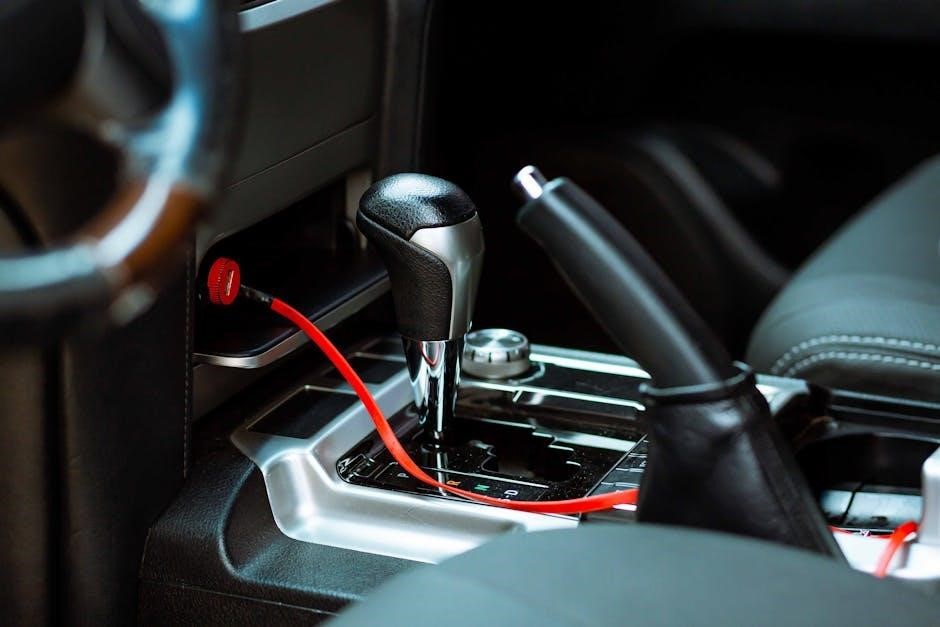
A noticeable looseness or excessive movement in the gear shift lever is frequently one of the earliest indicators of a developing manual transmission issue. This isn’t simply a matter of annoyance; it suggests wear and tear within the transmission’s internal components, or potentially, loosening of external linkages. The play can manifest as a vague or imprecise feel when selecting gears, making it difficult to confidently engage the desired gear.
This symptom often stems from damage to the shift linkage, worn bushings, or internal transmission wear. Ignoring this issue can lead to further damage, making gear selection increasingly challenging and potentially causing the gear to pop out of place; Early detection and inspection of the linkage and internal components are crucial to prevent more extensive and costly repairs down the line.
Unusual Vibrations
Experiencing unusual vibrations, particularly when shifting or at certain speeds, can signal underlying problems within the manual transmission. These vibrations aren’t the typical engine rumble; they’re often felt through the floorboard, the gear shift lever, or even the steering wheel. The source could be worn or failing internal components like bearings, or imbalances caused by damaged gears.
These vibrations often intensify with speed or under load. Ignoring them can lead to accelerated wear on other transmission parts and potentially cause more significant damage. A thorough inspection by a qualified mechanic is essential to pinpoint the source of the vibrations and address the issue before it escalates into a major repair or even transmission failure.
Burning Smell
A distinct burning smell emanating from your vehicle, especially after driving, is a serious warning sign potentially indicating a manual transmission issue. This odor often arises from overheating components due to excessive friction. A slipping clutch, a common problem, generates intense heat as it struggles to engage properly, creating a burning smell similar to burnt rubber or paper.
Internal transmission problems, like worn gears or failing bearings, can also contribute to this smell. Ignoring a burning odor can lead to catastrophic failure, requiring a complete transmission overhaul or replacement. Promptly investigate the source of the smell and have a professional diagnose the problem to prevent further damage and costly repairs.

Internal Transmission Problems
Worn synchronizers, damaged gears, and bearing failures within the transmission cause grinding, difficulty shifting, and popping out of gear—serious internal issues.
Worn Synchronizers
Synchronizers are crucial components enabling smooth gear changes in a manual transmission. Their primary function is to match the speed of the gears before engagement, preventing grinding and ensuring a seamless shift. When synchronizers wear, they lose their ability to effectively equalize speeds, leading to noticeable symptoms. A common indicator is difficulty shifting, particularly into specific gears, often accompanied by a grinding noise during the shifting process.
This grinding occurs because the gears are colliding rather than meshing smoothly. The issue typically worsens with colder temperatures, as the lubricant becomes thicker and less effective. Ignoring worn synchronizers can lead to further damage to the gears themselves, escalating repair costs. Early detection, through attentive listening for grinding and noting shifting difficulties, is vital for timely intervention and preventing more extensive transmission problems.
Damaged Gears
Damaged gears within a manual transmission represent a serious issue, often stemming from prolonged neglect of other problems like worn synchronizers or insufficient lubrication. A key symptom is a pronounced grinding or clunking noise emanating from the transmission, especially during gear changes or while driving. This noise isn’t a brief scrape; it’s a consistent, mechanical sound indicating metal-on-metal contact.
Furthermore, damaged gears can cause difficulty selecting certain gears, or even the inability to engage a gear at all. In severe cases, you might experience gear popping out of place while driving, a dangerous situation requiring immediate attention. Ignoring these signs can lead to catastrophic transmission failure, necessitating a complete replacement rather than a repair. Regular maintenance and addressing minor issues promptly can prevent gear damage.
Bearing Failures
Bearing failures within the manual transmission often manifest as a progressively worsening whining or rumbling noise, distinct from the grinding associated with gear damage. This sound typically changes in pitch and volume with vehicle speed, becoming more noticeable during acceleration or deceleration. Vibrations, particularly felt through the floorboards or steering wheel, can also accompany bearing failure, indicating instability within the transmission.
As bearings degrade, they create excessive play, contributing to other issues like difficulty shifting or gear noise. Ignoring these symptoms allows the damage to escalate, potentially leading to complete bearing seizure and catastrophic transmission failure. Regular fluid checks and prompt attention to unusual noises are crucial for early detection and preventing extensive repairs.
External Component Issues
External problems, like clutch cable issues or low fluid, mimic internal failures; look for a slipping clutch, linkage problems, or fluid leaks promptly.
Clutch Cable Problems
A failing clutch cable often manifests as difficulty engaging or disengaging the clutch, leading to challenges when shifting gears. You might experience a clutch pedal that feels unusually stiff or loose, requiring excessive force or offering little resistance. Inspecting the cable for fraying, kinks, or corrosion is crucial, as these conditions impede smooth operation.
Furthermore, a stretched or damaged cable can cause incomplete clutch disengagement, resulting in grinding noises during gear changes. Adjusting the cable might temporarily alleviate the issue, but if the problem persists, replacement is necessary. Ignoring clutch cable issues can lead to further damage to the transmission and clutch assembly, escalating repair costs significantly. Regular inspection and timely replacement are vital for maintaining a properly functioning manual transmission system.
Linkage Issues
Problems within the manual transmission’s linkage system can present as imprecise or difficult gear selection. You may find it challenging to locate specific gears, or the shifter might feel loose and sloppy. Worn or damaged linkage components, such as bushings or joints, contribute to this imprecise feel, hindering smooth shifting.
Inspect the linkage for excessive play, binding, or any visible signs of wear and tear. A properly functioning linkage ensures direct and accurate transfer of driver input to the transmission. Ignoring linkage issues can exacerbate the problem, potentially leading to more significant transmission damage. Addressing these concerns promptly through repair or replacement of worn components is essential for restoring optimal shifting performance and preventing further complications.
Low or Contaminated Transmission Fluid
Insufficient or degraded transmission fluid is a frequent culprit behind manual transmission problems. Low fluid levels can cause difficulty shifting and grinding noises, as proper lubrication is crucial for smooth gear engagement. Contaminated fluid, often appearing dark or metallic, loses its lubricating properties and can damage internal components;
Regularly checking the transmission fluid level and condition is vital. Look for a burnt smell, indicating overheating and fluid breakdown. Fluid contamination often stems from internal wear, signaling potential gear or bearing damage. Addressing low or contaminated fluid promptly with a fluid change or flush can prevent further deterioration and extend the transmission’s lifespan.

Diagnostic Steps
Thorough inspection involves checking fluid levels, visually examining linkage/cables, and seeking a professional transmission assessment to pinpoint the root cause of issues.
Fluid Level and Condition Check
Begin by verifying the manual transmission fluid level; low fluid is a frequent contributor to shifting difficulties and internal damage. Consult your vehicle’s owner’s manual for the correct procedure and fluid type. Next, assess the fluid’s condition. Healthy transmission fluid should be relatively clear and have a slightly sweet odor. Dark, murky fluid, or a burnt smell, indicates contamination or overheating, signaling potential internal wear.
Metal shavings within the fluid are a serious red flag, suggesting gear or bearing failure. A simple visual inspection can reveal a lot; however, a professional analysis provides a more comprehensive assessment. Remember, maintaining proper fluid levels and regularly changing the fluid are crucial preventative measures, potentially avoiding costly repairs down the line. Ignoring these signs can lead to complete transmission failure.
Visual Inspection of Linkage and Cables
A thorough visual inspection of the manual transmission’s linkage and cables is essential for identifying external issues causing shifting problems. Begin by examining the shift linkage – the rods and joints connecting the gear shift lever to the transmission. Look for any signs of looseness, wear, or damage. Check for bent or broken components, and ensure all connections are secure.
Next, inspect the clutch cable (if applicable) for fraying, kinks, or corrosion. Proper cable tension is vital for smooth clutch operation. Verify the cable moves freely without binding. Any visible damage or excessive play in these components can directly impact shifting performance. Addressing these external issues is often a more affordable repair than internal transmission work.
Professional Transmission Inspection
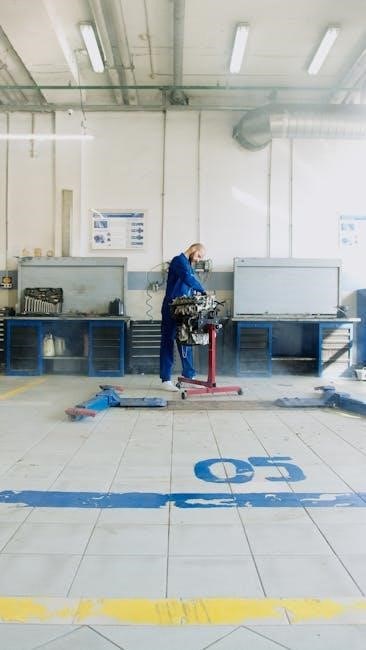
When encountering persistent manual transmission issues, a professional inspection is crucial for accurate diagnosis. A qualified technician will utilize specialized tools and expertise to assess the internal condition of the transmission. This includes checking for worn synchronizers, damaged gears, and bearing failures – common culprits behind shifting difficulties and noises.
The inspection often involves a road test to replicate the symptoms and pinpoint the source of the problem. Technicians may also perform a fluid analysis to identify metal particles or contaminants indicating internal wear. A comprehensive report detailing the findings and recommended repairs will be provided, allowing for informed decisions regarding repair or replacement.

Preventative Maintenance
Regular fluid changes and employing proper shifting techniques significantly extend a manual transmission’s lifespan, mitigating potential issues and ensuring smooth operation.
Regular Fluid Changes
Maintaining the correct transmission fluid level and ensuring its cleanliness are paramount for a healthy manual gearbox. Over time, fluid degrades, losing its lubricating properties and ability to effectively cool internal components. This degradation contributes to increased wear and tear on synchronizers, gears, and bearings, ultimately accelerating failure.
Scheduled fluid changes, adhering to the manufacturer’s recommendations, are crucial preventative measures. The frequency varies depending on driving conditions – more frequent changes are needed for heavy use, towing, or aggressive driving. When changing the fluid, inspect for metal shavings, a clear indication of internal damage. Using the correct fluid type, as specified in your vehicle’s manual, is equally important; incorrect fluid can cause compatibility issues and exacerbate problems. Proactive fluid maintenance is a cost-effective way to avoid expensive repairs down the road.
Proper Shifting Techniques
Employing correct shifting practices significantly extends the lifespan of a manual transmission. Avoid “speed shifting” or forcing gears, as this puts undue stress on synchronizers and gear teeth. Fully depress the clutch pedal before each shift, ensuring complete disengagement of the engine from the transmission. Smooth, deliberate movements are key; rushing shifts increases wear.
Double-clutching, while less common in modern vehicles, can further reduce stress during downshifts. Avoid resting your foot on the clutch pedal while driving, as this causes constant wear on the throw-out bearing. Recognizing the appropriate engine speed for each gear and matching it during shifts minimizes grinding and promotes smoother operation. Gentle, mindful shifting habits are a simple yet effective preventative measure.

Cost of Repair vs. Replacement
Determining whether to repair or replace a failing manual transmission hinges on the extent of the damage and associated costs. Minor issues, like a worn clutch cable or linkage adjustment, may cost a few hundred dollars to rectify. However, internal damage – worn synchronizers or damaged gears – can escalate repair costs significantly, potentially reaching $1,500 to $3,500.
A complete transmission replacement, including parts and labor, typically ranges from $2,000 to $5,000, depending on the vehicle model and whether a new or rebuilt unit is used. Consider the vehicle’s age and overall condition; investing in a costly repair for an older car might not be financially prudent. A thorough diagnostic assessment is crucial for informed decision-making.