
Understanding Manual Garage Door Locking Mechanisms
Manual locks, like slide bolt locks, are common, securing doors with sliding bars into frame slots. Keyed cylinder locks offer enhanced security, while deadbolts add an extra layer of protection for your property.
The Importance of Securing Your Garage
Securing your garage is paramount, as it’s often the largest access point to your home and a repository for valuable tools and belongings. A compromised garage door invites potential burglaries and poses a significant safety risk to your family and possessions. Manually locking your garage door provides a crucial first line of defense, supplementing any automatic systems you may have in place.
Even with an automatic opener, a manual lock offers an added layer of security, preventing unauthorized entry if the opener is bypassed or malfunctions. Simple mechanisms, like slide bolt locks, can deter opportunistic thieves, while more robust keyed cylinder locks and deadbolts provide increased resistance against forced entry. Regularly utilizing these manual locking features demonstrates a proactive approach to home security, offering peace of mind and safeguarding your investment.
Types of Manual Garage Door Locks
Manual garage door locks come in several varieties, each offering different levels of security and convenience. The most prevalent is the slide bolt lock, featuring metal bars that slide into the door frame, a common solution for older doors. For enhanced security, keyed cylinder locks provide a more robust defense, requiring a key for operation, deterring unauthorized access.
Garage door deadbolts represent another option, adding an extra layer of protection by extending a bolt deep into the door frame. These locks often complement existing slide bolts or keyed cylinders. The SK7115 allows internal locking via a sliding bolt and operating lever, offering convenient inside control. Choosing the right lock depends on your security needs and the existing construction of your garage door.
Slide Bolt Locks: A Common Solution

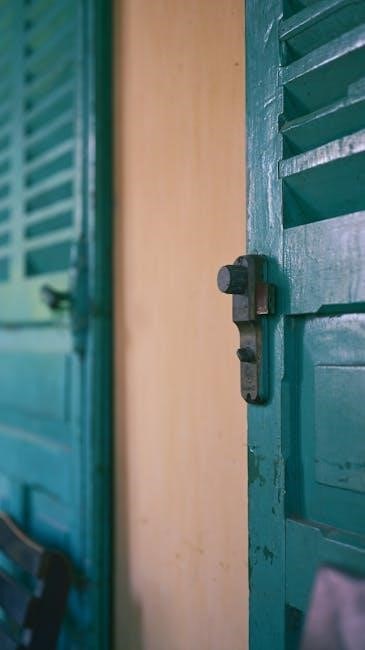
Slide bolt locks are frequently found on older garage doors, representing a straightforward and cost-effective security measure. These locks utilize two metal bars that physically slide into corresponding holes drilled into the garage door frame, effectively preventing the door from being lifted. To operate, simply push out the sliding bolt to lock, and use the release lever to unlock, pushing it away from the track.
Their simplicity makes them easy to install and use, though they may not offer the highest level of security compared to keyed options. However, they provide a reliable deterrent against casual intrusion. Regular inspection ensures smooth operation, preventing binding friction. These locks are a foundational element in manual garage door security, offering a basic yet functional locking mechanism.
Keyed Cylinder Locks for Enhanced Security
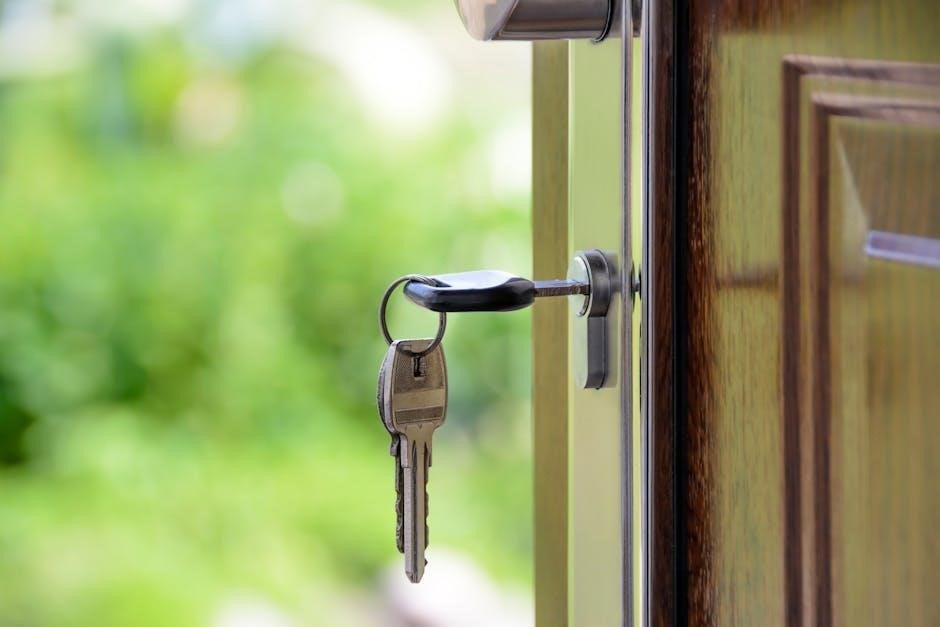
Keyed cylinder locks represent a significant upgrade in garage door security compared to simple slide bolts. These locks incorporate a standard key mechanism, providing a more robust defense against unauthorized access. Installation typically involves replacing the existing handle or adding a separate locking cylinder to the garage door.
The primary benefit is controlled access – only those with a key can unlock the door. This deters potential intruders and offers peace of mind. However, it’s crucial to maintain key security and consider the possibility of lock picking. Regularly lubricating the cylinder ensures smooth operation and prevents sticking. These locks offer a balance between convenience and enhanced protection for your garage and its contents.
Garage Door Deadbolts: Adding an Extra Layer

Garage door deadbolts provide an additional layer of security when used in conjunction with existing locks, like slide bolts or keyed cylinders. These typically involve a robust bolt that extends deep into the door frame, making forced entry significantly more difficult. Installation usually requires drilling into both the door and the frame to accommodate the deadbolt mechanism.
The benefit lies in creating a secondary locking point, resisting potential kick-ins or attempts to pry the door open. It’s important to choose a high-quality deadbolt constructed from hardened steel for maximum effectiveness. Regular inspection and lubrication are vital to ensure smooth operation and prevent binding. While adding complexity, a deadbolt substantially increases the security profile of your garage door, offering enhanced protection for your belongings.
Troubleshooting a Garage Door That Won’t Lock Manually
Troubleshooting involves checking for obstructions, broken components, or binding friction. Wiggling the door or using vice grips can offer temporary solutions if the latch is stuck.
Identifying the Cause of the Problem

Determining why your manual garage door won’t lock requires careful inspection. Obstructions preventing latch rotation are a frequent culprit; items inside the garage could be pressing against the locking mechanism, creating binding friction. Thoroughly examine the area around the tracks and locking hardware for any fallen objects or debris.
Alternatively, broken or disconnected internal components might be the issue. While a broken cable is less likely if the handle isn’t rotating, hinges can fail, or parts within the mechanism itself can become damaged. Inspect the internal workings of the lock for any visible breaks or disconnections. Attempting to rotate the latch handle while someone simultaneously lifts or pulls on the door can sometimes reveal if binding is the core problem, allowing for a bit of wiggle room.
If the handle seems locked and won’t budge with reasonable effort, a more drastic solution, like drilling out the keyway, might be considered as a last resort DIY option.
Obstructions Preventing Latch Rotation
A common reason a manual garage door lock fails is due to obstructions preventing latch rotation. Carefully examine the area surrounding the locking mechanism for any items that may be applying pressure. Tools, storage containers, or even seasonal decorations inadvertently shifted within the garage can interfere with the smooth operation of the latch.
Look closely at the tracks themselves; debris accumulation can also cause binding. The key is to identify anything physically hindering the bolt from fully extending or retracting. Try gently lifting or pulling on the door while simultaneously attempting to operate the latch – this can sometimes reveal if an obstruction is the source of the resistance.
Remember, even seemingly minor items can create significant friction. A systematic check of the entire area is crucial to pinpoint the source of the blockage and restore proper locking function.
Broken or Disconnected Internal Components
If the handle isn’t rotating, despite the absence of visible obstructions, broken or disconnected internal components may be the culprit. While a broken cable is less likely if the handle is the issue, internal mechanisms within the lock itself can fail over time due to wear and tear. Inspect the connecting rods and levers for any signs of damage, such as bending, cracking, or complete separation.
These mechanisms are susceptible to breakage, especially in older doors. Hinges failing can also contribute to misalignment, preventing proper latch engagement. A thorough visual inspection, potentially requiring partial disassembly, is necessary to identify these internal issues.
If you suspect a broken component, attempting a repair yourself might be risky; professional assistance is often recommended to ensure safe and effective restoration of the locking system.
Temporary Solutions for a Locked Garage Door
When facing a locked garage door that won’t open manually, several temporary solutions can provide immediate relief. Utilizing vice grips or C-clamps secured firmly on the track, directly above a roller, effectively prevents the door from rising, offering a quick fix. Alternatively, consider employing spring-loaded track locks, designed to slide a robust bar into the square openings along the track, creating a secure barrier.
These methods are intended as short-term solutions, buying time until a proper repair can be undertaken. Attempting to force the door open could cause further damage. If the handle is locked, and manipulation fails, drilling out the keyway might be a last resort DIY option, though professional help is advisable.
Remember, these are temporary measures and do not address the underlying issue causing the locking problem.
Using Vice Grips or C-Clamps on the Track
In situations where a garage door is stuck and won’t open manually, employing vice grips or C-clamps presents a practical, albeit temporary, solution. The technique involves securely clamping the tool onto the garage door track, positioned directly above a roller. This strategic placement effectively restricts the roller’s movement, preventing the door from being lifted and thus holding it closed.
Ensure the grip is firm and stable to maintain the security. This method is particularly useful when internal components are suspected to be the cause of the locking issue, or if binding friction is preventing normal operation. However, it’s crucial to remember this is a short-term fix.
Vice grips or C-clamps should not be considered a permanent repair, and professional assessment is recommended to address the root cause of the problem.
Employing Spring-Loaded Track Locks
As an alternative to vice grips or C-clamps, spring-loaded track locks offer a convenient and relatively simple method for securing a garage door manually. These devices function by sliding a robust metal bar into one of the square openings present along the garage door track. The spring-loaded mechanism ensures the bar remains firmly in place, effectively preventing the door from being opened.
These locks are readily available at most hardware stores and require no tools for installation. They provide a quick and easy way to add an extra layer of security, particularly useful when the existing locking mechanism is malfunctioning or compromised.
However, like clamping methods, spring-loaded track locks are best considered a temporary solution until a more permanent repair can be undertaken.

Installing a Manual Lock on Your Garage Door
Choosing the right lock is crucial; slide bolt locks are simple to install, while keyed cylinder locks provide greater security for your garage door.
Choosing the Right Lock for Your Door
Selecting the appropriate manual lock hinges on your security needs and garage door type. Slide bolt locks represent a cost-effective and straightforward solution, ideal for basic security or supplementing existing systems. These are particularly common on older garage doors and are relatively easy to install. However, they offer limited resistance to determined intruders.
For enhanced security, consider a keyed cylinder lock. These provide a higher level of protection, requiring a key for operation, deterring unauthorized access. Installation is slightly more involved than a slide bolt lock, potentially requiring drilling. Garage door deadbolts offer another layer of security, working in conjunction with existing locks.
Evaluate the door’s construction and existing hardware. Ensure the chosen lock is compatible with your door’s material and thickness. Consider the ease of operation, especially in emergency situations. Prioritize locks constructed from durable materials like steel to resist forced entry attempts.
Step-by-Step Installation Guide for Slide Bolt Locks
Begin by marking the desired lock position on both sides of the garage door, ensuring alignment. Drill pilot holes at these marks, sized appropriately for the lock’s mounting screws. Position the lock components, aligning the bolt with the receiving hole on the opposite side.
Secure the lock using the provided screws, tightening them firmly but avoiding over-tightening to prevent stripping. Test the sliding action of the bolt, ensuring smooth operation. Push out the sliding bolt to lock the door, and use the operating lever to unlock it by pushing the release lever towards the center.
Verify proper engagement by attempting to lift the door while locked. Adjust the lock if necessary, ensuring a secure fit. Regularly check for looseness and tighten screws as needed. Remember, a properly installed slide bolt lock provides a basic, yet effective, manual security measure.
Installing a Keyed Cylinder Lock

Start by marking the location for the cylinder lock on the garage door, considering ease of access and security. Drill a hole sized to accommodate the lock’s cylinder, ensuring a snug fit. Insert the cylinder and secure it with the provided mounting hardware, tightening screws firmly.
Install the strike plate on the door frame, aligning it with the cylinder’s bolt extension. Secure the strike plate with screws, ensuring it’s flush with the frame. Test the locking mechanism using the key, verifying smooth operation and full bolt extension.
Check for alignment issues and adjust the strike plate if needed. Lubricate the cylinder with a graphite-based lubricant for smooth key insertion. Regularly test the lock and consider adding a deadbolt for enhanced security. A keyed cylinder lock offers a higher level of protection than basic slide bolts.

Smart Alternatives to Manual Locking
Automatic locks provide convenience, eliminating manual operation. Smart systems enable remote monitoring and control via smartphone apps, enhancing security and offering peace of mind.
Automatic Garage Door Locks: Convenience and Security
Automatic garage door locks represent a significant upgrade in both convenience and security compared to traditional manual methods. These systems eliminate the need to physically engage a slide bolt lock or manipulate a keyed cylinder lock, offering effortless operation. Homeowners benefit from the ability to automatically secure their garage with the simple press of a button, often integrated with existing garage door openers.
Beyond ease of use, automatic locks bolster security by providing a more robust and reliable locking mechanism. Many systems feature tamper-resistant designs and can be integrated with home security systems for comprehensive protection. The convenience factor is further enhanced by the ability to schedule locking and unlocking times, ensuring the garage is always secured, even when you’re away. This proactive approach minimizes vulnerability and provides invaluable peace of mind.
Remote Monitoring and Control with Smart Systems
Smart systems revolutionize garage door security, extending control beyond the physical location. Utilizing a smartphone app or integrated home automation system, homeowners gain the ability to remotely monitor and control their garage door’s locking mechanisms. This functionality allows for instant verification of the door’s status – locked or unlocked – from anywhere with an internet connection.
Beyond simple status checks, smart systems offer features like remote locking and unlocking, granting access to trusted individuals even when you’re absent. Real-time alerts notify you of any unexpected activity, such as unauthorized access attempts, enhancing security awareness. Integration with other smart home devices enables automated scenarios, like automatically locking the garage door at a specific time each night. This level of control and visibility provides unparalleled peace of mind and a proactive approach to home security, surpassing the limitations of a simple slide bolt lock.

Preventative Maintenance for Garage Door Locks
Regular inspection and lubrication are crucial; address any binding friction in the mechanism to ensure smooth operation and prevent future locking issues.
Regular Inspection and Lubrication
Consistent inspection of your manual garage door locking mechanism is paramount for sustained security and functionality. Examine the slide bolt, keyed cylinder, or deadbolt for signs of wear, corrosion, or damage. Pay close attention to the alignment of the bolt with the receiving holes in the door frame; misalignments can cause binding.
Lubrication is equally vital. Use a silicone-based lubricant – avoid oil-based products as they attract dust and grime. Apply the lubricant to all moving parts of the lock, including the bolt itself, the cylinder (if applicable), and any internal linkages. This reduces friction, ensuring smooth operation and preventing the lock from becoming difficult to engage or disengage.
Check for obstructions within the locking mechanism or around the door frame that could impede its function. A simple wipe-down can remove accumulated dirt and debris. Regular maintenance, performed every six months, will significantly extend the life of your manual lock and maintain its effectiveness.
Addressing Binding Friction in the Mechanism
Binding friction within a manual garage door lock is a common issue, often stemming from accumulated dirt, corrosion, or slight misalignments. If the bolt feels stiff or requires excessive force to operate, investigate potential causes. First, thoroughly clean the locking mechanism with a suitable solvent to remove any debris.
Next, apply a silicone-based lubricant generously to all moving parts, working the bolt back and forth to distribute it effectively. If friction persists, carefully examine the alignment of the bolt with the receiving holes in the door frame. Attempt gently lifting or pulling on the door while operating the lock; this can sometimes relieve binding pressure.
If the problem continues, consider the hinges and track; failures there can cause door movement impacting the lock. Severe binding might indicate a damaged component requiring replacement. Remember, forcing the lock can cause further damage, so proceed with caution and consider professional assistance if needed.