
Battery Tender Charger Instructions: A Comprehensive Guide
Embark on automotive self-reliance! Learn to diagnose and resolve minor issues, saving time and money with a Battery Tender charger – a smart investment for vehicle longevity.
Understanding Battery Tender Chargers
Battery Tender chargers are specialized devices designed to maintain, not just charge, your vehicle’s battery. Unlike traditional chargers that can overcharge and damage a battery, these tenders utilize a multi-stage charging process. This process ensures optimal battery health and extends its lifespan, particularly crucial for seasonal vehicles or those infrequently used.
They intelligently switch between bulk, absorption, and float stages, delivering precisely the power needed at each phase. This prevents sulfation, a common cause of battery failure. Understanding these nuances is key to maximizing the benefits of a Battery Tender, transforming it from a simple charger into a proactive battery management system, ensuring reliable starts and prolonged battery life.
What is a Battery Tender?
A Battery Tender is a sophisticated battery maintenance device, differing significantly from a standard charger. While chargers rapidly restore a depleted battery, a Tender focuses on maintaining a fully charged state over extended periods. It’s ideal for vehicles stored seasonally – motorcycles, classic cars, boats – or those with infrequent use, preventing the natural discharge that leads to sulfation and reduced capacity.
Essentially, it’s a ‘set it and forget it’ solution. The Tender continuously monitors the battery’s voltage and provides a small, controlled charge as needed, keeping it at peak performance. This proactive approach avoids the cycle of deep discharge and recharge, dramatically extending the battery’s overall lifespan and ensuring reliable starting power when you need it.
Benefits of Using a Battery Tender
Employing a Battery Tender yields substantial advantages for vehicle owners. Primarily, it combats the detrimental effects of battery self-discharge, a common issue during storage or infrequent use. This prevents sulfation – the formation of lead sulfate crystals – which diminishes battery capacity and shortens its life.
Furthermore, a Tender ensures reliable starting, eliminating the frustration of a dead battery. It’s a cost-effective solution, extending battery lifespan and reducing replacement frequency. Beyond cars, Tenders benefit motorcycles, ATVs, boats, and even solar power systems. Ultimately, consistent battery maintenance translates to peace of mind and sustained performance, safeguarding your investment and ensuring readiness when you require it.
Types of Battery Tender Chargers
Battery Tender chargers aren’t one-size-fits-all; variations cater to diverse needs. Smart chargers, like those from Battery Tender, utilize multi-stage charging, optimizing battery health and preventing overcharging. Traditional chargers offer a simpler, constant-voltage approach, potentially risking damage if left unattended for extended periods.
Amperage ratings – commonly 2A or 1.25A – dictate charging speed. A 2A charger is faster, ideal for deeply discharged batteries, while 1.25A is gentler, suitable for maintaining fully charged batteries. Some models offer selectable amperage. Understanding these distinctions is crucial for selecting the appropriate charger for your battery type and charging requirements, ensuring optimal performance and longevity.
Smart Chargers vs. Traditional Chargers
Smart chargers represent a significant advancement in battery maintenance technology. Unlike traditional chargers that deliver a constant voltage, smart chargers employ a multi-stage charging process – bulk, absorption, and float – dynamically adjusting voltage and current based on the battery’s needs. This prevents overcharging, a common issue with older designs, extending battery lifespan considerably.
Traditional chargers are simpler and often cheaper, but require careful monitoring. Smart chargers, like Battery Tender models, offer automated operation and safety features. They can also diagnose battery health and often include features like automatic voltage detection. Choosing a smart charger provides peace of mind and superior battery care.
Charger Amperage Ratings (2A, 1.25A, etc.)
Battery Tender chargers come in various amperage ratings, typically 1.25A, 2A, or higher. The appropriate amperage depends on your battery’s capacity (Ah – Ampere-hours). A 2A charger is suitable for larger batteries, offering faster charging, while a 1.25A charger is ideal for smaller batteries or maintenance charging.
Using too high an amperage can damage the battery, while too low an amperage will result in excessively long charging times. As a general rule, a charging rate of 10-15% of the battery’s Ah rating is recommended. Always consult your battery’s specifications and the charger’s manual for optimal settings.
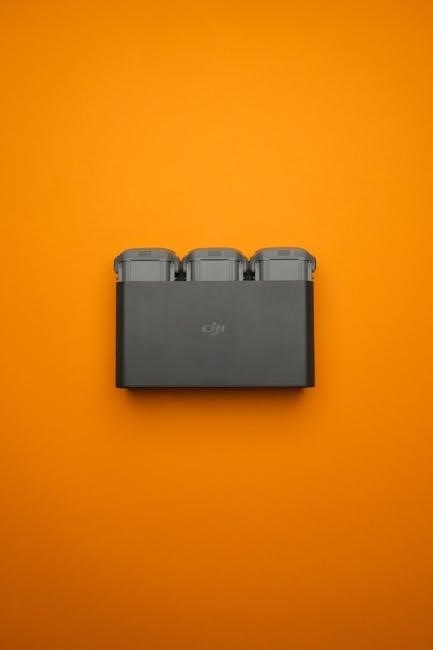
Setting Up Your Battery Tender Charger
Proper setup is crucial! Connect the charger securely to your battery, selecting the correct mode and understanding the LED indicators for optimal performance.
Connecting the Charger to the Battery
Establishing a secure connection is paramount for safe and effective charging. Begin by carefully identifying the positive and negative terminals on your battery – typically marked with “+” and “-” symbols, and often color-coded (red for positive, black for negative). The Battery Tender charger comes equipped with both alligator clips and optional ring terminals.
Alligator clips offer a quick and convenient connection, ideal for temporary charging or testing. Ensure a firm grip on the terminals. Ring terminals, however, provide a more permanent and reliable connection, minimizing resistance and maximizing charging efficiency. For ring terminals, securely attach them to the battery posts before connecting the charger leads. Double-check polarity before proceeding! Reversing the connections can cause serious damage to both the charger and the battery.
Identifying Positive and Negative Terminals
Accurate terminal identification is crucial to prevent damage. Battery terminals are universally marked, though markings can sometimes be obscured by corrosion. Look for the plus (+) symbol, often molded into the plastic around the terminal, or stamped directly onto the metal. The negative (-) symbol is similarly indicated. Color-coding is also common: red cables and terminals signify positive, while black denotes negative.
If markings are unclear, a simple test can be performed (with caution!). Using a multimeter set to DC voltage, touch the red probe to one terminal and the black probe to the other. A positive reading indicates the red probe is on the positive terminal. Always prioritize safety and consult your vehicle’s manual if unsure. Incorrect connections can lead to short circuits and potential hazards.
Using the Supplied Clips vs. Ring Terminals
Battery Tender chargers typically include both alligator clips and ring terminals. Clips offer quick, temporary connections – ideal for infrequent charging or testing. They’re easy to attach and detach, but can be less secure and prone to accidental disconnection. Ring terminals, however, provide a more permanent and reliable connection.
To use ring terminals, you’ll need to disconnect the battery cables from the battery posts and crimp the ring terminals onto the cable ends. This requires a crimping tool and some basic electrical knowledge. Ring terminals ensure a solid electrical contact, minimizing resistance and maximizing charging efficiency, especially beneficial for long-term maintenance or storage. Choose the method best suited to your needs and skill level.
Initial Charger Setup & Mode Selection
Before initiating the charging process, proper setup is crucial. First, ensure the charger is connected to a grounded AC outlet. Then, carefully connect the charger to the battery terminals – red to positive (+), black to negative (-). Most Battery Tender chargers offer multiple charging modes, tailored to different battery conditions.
Common modes include standard, AGM, GEL, and sometimes a “boost” or “recovery” mode for deeply discharged batteries. Selecting the correct mode is vital for optimal charging and preventing damage. Consult your battery’s specifications to determine the appropriate setting. Incorrect mode selection can lead to undercharging or overcharging, reducing battery lifespan.
Choosing the Correct Charging Mode
Selecting the appropriate charging mode is paramount for battery health and longevity. Standard mode suits most flooded lead-acid batteries, providing a gentle, consistent charge. AGM (Absorbent Glass Mat) and GEL modes are specifically designed for those battery types, delivering a tailored voltage profile to prevent gassing and plate stratification.
If your battery is deeply discharged – unable to accept a charge from a standard charger – a “boost” or “recovery” mode can attempt to revive it, but use cautiously. Always refer to your battery’s manufacturer’s recommendations. Using the wrong mode can significantly shorten battery life or, in rare cases, cause damage. Prioritize matching the mode to the battery chemistry.
Understanding LED Indicators
Battery Tender chargers utilize LED indicators to communicate the charging process status. A solid red light typically signifies the bulk charge stage, where the battery is receiving maximum current. A flashing red light often indicates a problem, such as a reversed polarity connection or a faulty battery. A solid green light signals the float stage – the battery is fully charged and being maintained.
A flashing green light may denote a maintenance mode or a completed charge cycle. Consult your charger’s manual for specific LED behavior. These indicators provide crucial feedback, allowing you to monitor the charging progress and identify potential issues promptly. Ignoring these signals could lead to undercharging or overcharging, impacting battery performance.

Charging Process & Monitoring
Observe the charger’s LEDs for status updates. Track voltage and current to ensure optimal charging, and estimate completion based on battery condition.
The Stages of Battery Tender Charging
Battery Tender chargers employ a multi-stage charging process designed to maximize battery life and efficiency. The initial Bulk Charge Stage rapidly replenishes the battery’s capacity, delivering maximum current until reaching approximately 80% charge. Following this, the Absorption Stage utilizes a constant voltage to fully saturate the battery, reducing current as it nears 100%.
Crucially, the final Float Stage maintains the battery at a full charge with a very low current, preventing overcharging and sulfation. This long-term maintenance ensures the battery remains ready for use, even during extended periods of inactivity. Understanding these stages allows for informed monitoring and optimal battery health, extending its lifespan considerably.
Bulk Charge Stage
The Bulk Charge stage is the initial, high-current phase of the charging process. During this stage, the Battery Tender delivers the maximum available amperage to the battery, rapidly increasing its state of charge. Think of it as quickly refilling an empty tank. The charger doesn’t monitor battery voltage closely at this point; its primary goal is to deliver power efficiently.
This phase continues until the battery reaches approximately 80% of its full capacity. You’ll typically observe a faster voltage increase during Bulk Charge. It’s the most significant period of recovery for deeply discharged batteries, effectively jumpstarting the revitalization process. Monitoring the current draw can indicate the battery’s acceptance rate during this crucial phase.
Absorption Stage
Following the Bulk Charge, the Absorption stage begins, transitioning to a constant-voltage charge. The Battery Tender maintains a steady voltage, typically around 14.4-14.7 volts for a 12V battery, while the charging current gradually decreases. This phase focuses on completely filling the battery without overcharging it. It’s like topping off the tank slowly and carefully.
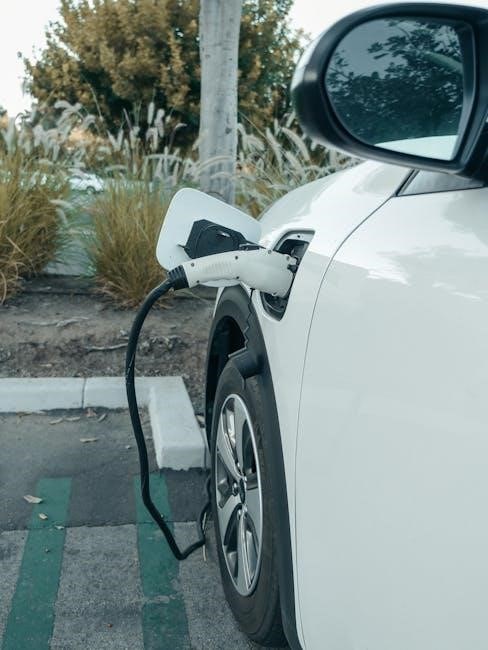
As the battery nears full capacity, it accepts less and less current at the constant voltage. The charger intelligently adjusts, preventing damage from overvoltage. The Absorption stage ensures all cells within the battery are fully charged and equalized. This stage can last several hours, depending on the battery’s initial state and capacity.
Float Stage
Once the battery reaches full charge, the Battery Tender enters the Float Stage, a crucial maintenance phase. The charger reduces the voltage to around 13.2-13.8 volts, just enough to counteract self-discharge. This prevents sulfation, a common cause of battery failure during prolonged inactivity. Think of it as a trickle of power, keeping the battery topped off.
The Float Stage allows the battery to remain connected indefinitely without risk of overcharging. It’s ideal for long-term storage or for vehicles used infrequently. The charger will periodically “bump” the voltage slightly to ensure full charge is maintained. This intelligent process maximizes battery lifespan and ensures it’s ready when you need it.
Monitoring Battery Voltage and Current
Regularly checking voltage and current provides valuable insights into your battery’s health and the charger’s performance. Most Battery Tender chargers feature LED indicators displaying charging status – red for charging, green for full, and sometimes yellow for maintenance. However, a multimeter offers precise readings.
A fully charged 12V battery should read around 12.6-12.8 volts. Monitoring current (amps) reveals the charging rate; a decreasing current indicates the battery is nearing full capacity. Unexpected fluctuations can signal a problem, like a failing battery or loose connection. Consistent monitoring helps proactively identify issues, preventing unexpected downtime and extending battery life.
Charging Time Estimates
Estimating charging time depends heavily on the battery’s initial state of discharge and its capacity (Ah – Ampere-hours). A completely depleted battery will naturally take longer to charge than one that’s partially discharged. A general rule of thumb is to allow approximately 20% of the battery’s Ah rating for a full charge using a 1.25A charger.
For example, a 50Ah battery might take around 10 hours to fully charge. However, this is just an estimate; factors like battery age, temperature, and charger efficiency can influence the actual time. Regularly monitoring the charger’s LED indicators or using a multimeter will provide a more accurate assessment of the charging progress.
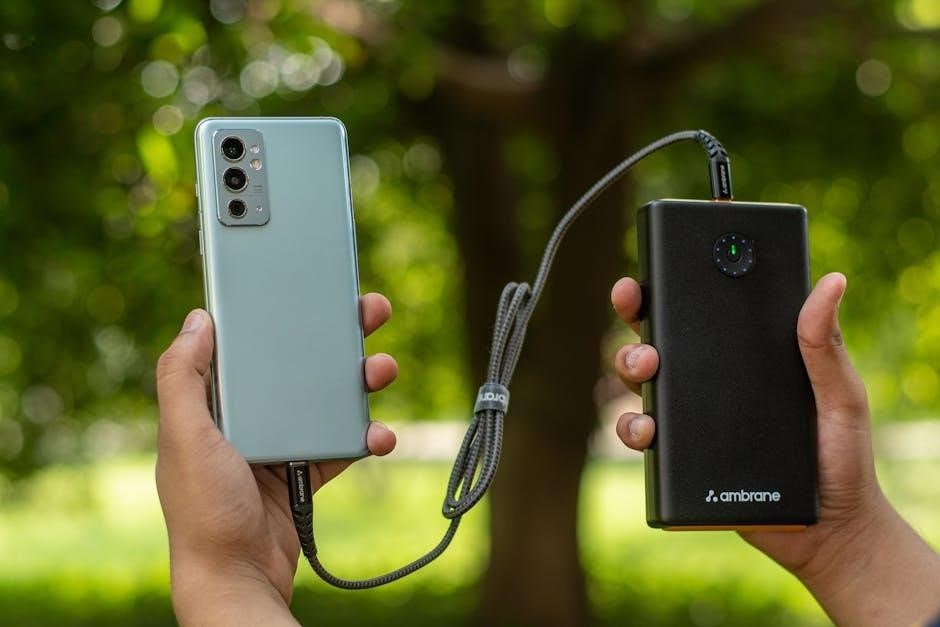
Safety Precautions & Troubleshooting
Prioritize safety during charging! Ensure proper ventilation, avoid sparks, and address issues like unrecognized batteries or those failing to hold a charge promptly.
Safety Guidelines for Battery Charging
Prioritizing safety is paramount when utilizing a battery tender charger. Always charge batteries in a well-ventilated area, as charging produces explosive hydrogen gas. Avoid charging in enclosed spaces like trunks or sealed compartments.
Prevent sparks and short circuits by connecting the charger to the battery before plugging it into the AC outlet, and disconnect in the reverse order. Ensure the charger’s clips or ring terminals are securely fastened to the correct terminals – red to positive (+), black to negative (-).
Never attempt to charge a damaged battery that is cracked, leaking, or visibly swollen. Inspect the charger’s cord for any damage before each use. Keep flammable materials away from the charging area. Following these guidelines will ensure a safe and effective charging experience.
Ventilation Requirements
Adequate ventilation is absolutely crucial during battery charging. As a lead-acid battery charges, it releases hydrogen gas, which is highly flammable and potentially explosive. Charging in a confined, poorly ventilated space allows this gas to accumulate, creating a significant safety hazard.
Always charge batteries outdoors or in a well-ventilated garage or shed. Ensure there’s cross-flow ventilation – open windows and doors to allow fresh air to circulate. Avoid charging in enclosed vehicle compartments like the trunk or passenger area.
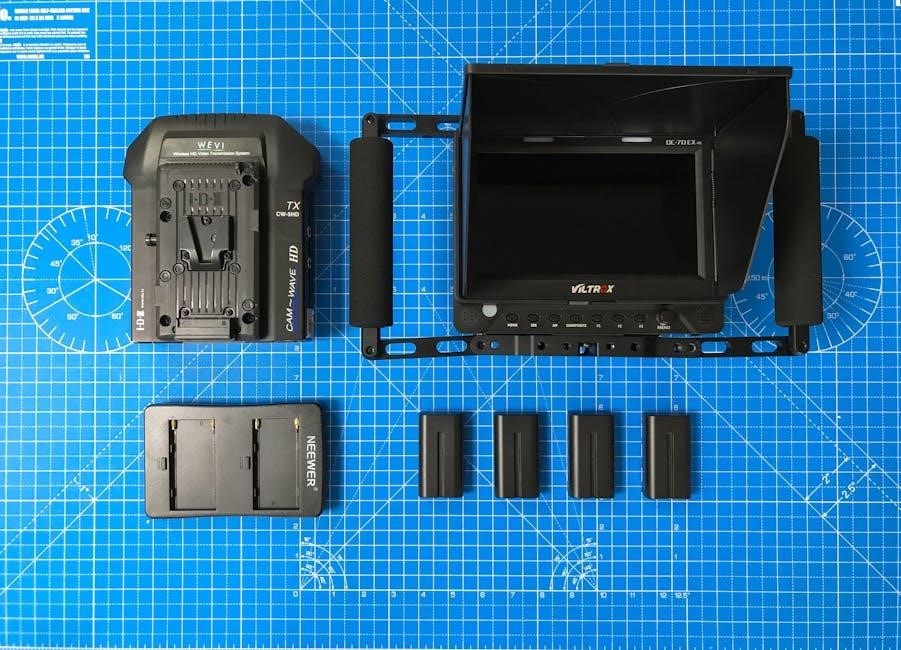
Consider using a small fan to further enhance air circulation, especially in enclosed spaces. Never smoke or use open flames near a charging battery. Proper ventilation minimizes the risk of ignition and ensures a safe charging environment.
Avoiding Sparks and Short Circuits
Sparks and short circuits pose serious risks when working with batteries and chargers. Always connect the charger to the battery before plugging it into the AC power source. This prevents arcing when the clamps make contact with the terminals.
Ensure the charger clamps are securely attached to the correct terminals – red to positive (+), black to negative (-). Avoid letting the clamps touch each other or any metal part of the vehicle. Use insulated tools whenever possible.

Inspect the charger cables and clamps for damage before each use. Replace any frayed or cracked components immediately. A short circuit can cause a fire or explosion, so meticulous attention to detail is paramount for safe battery charging practices.
Common Problems and Solutions
Encountering issues? A frequent problem is the charger not recognizing the battery – ensure a clean connection, checking for corrosion on terminals and clamps. Verify the battery voltage is within the charger’s acceptable range. If the battery isn’t holding a charge, it may be sulfated or damaged, requiring replacement.
LED indicator issues often signal a problem; A flashing red light could indicate a reverse polarity connection; immediately disconnect and correct it. A consistently off LED might mean a blown fuse within the charger itself – check and replace if necessary.
Remember to consult the charger’s manual for specific troubleshooting steps related to your model. Proper diagnosis prevents further damage and ensures safe operation.
Charger Not Recognizing Battery
Facing a non-responsive charger? This often stems from poor connections. First, meticulously inspect both the battery terminals and the charger’s clips or ring terminals for corrosion; clean them thoroughly with a wire brush or terminal cleaner. Ensure a firm, secure grip – loose connections interrupt the charging process.
Verify battery voltage; a deeply discharged battery might fall below the charger’s minimum recognition threshold. Try briefly connecting a known-good battery to confirm the charger functions correctly. Check the charger’s fuse; a blown fuse prevents power delivery. Finally, confirm correct polarity – reversed connections will inhibit recognition.
Battery Not Holding a Charge
A battery failing to retain its charge indicates an underlying issue. Age is a primary factor; batteries have a limited lifespan and gradually lose capacity. Internal damage, such as sulfation (lead-acid batteries) or cell failure, can also prevent proper charge retention. Perform a load test to assess the battery’s ability to deliver power under stress.
Consider parasitic drains – even when switched off, some vehicle systems consume power. Identify and address any unnecessary loads. If the battery repeatedly fails despite these checks, it likely requires replacement. Ensure the charger is appropriate for the battery type; incorrect settings can accelerate degradation.
LED Indicator Issues
Troubleshooting LED indicators begins with verifying proper connections. A flashing or absent light often signals a problem with the battery connection – ensure clean, secure terminals. If the LED displays an unexpected pattern, consult the charger’s manual for specific error codes and their meanings. A consistently lit LED might indicate a fully charged battery or a potential charger malfunction.
Inspect the charger’s fuse; a blown fuse can prevent operation and affect LED behavior. If the issue persists, try a different outlet to rule out power supply problems. Remember, LED indicators provide crucial feedback; understanding their signals is key to effective battery maintenance.
Advanced Battery Tender Usage
Unlock peak performance! Explore tailored charging for diverse battery types, long-term storage solutions, and even integrate your Battery Tender with renewable solar power.
Maintaining Different Battery Types
Optimizing your Battery Tender’s performance hinges on understanding your battery’s chemistry. Lead-acid batteries – encompassing flooded, AGM, and Gel types – benefit from a consistent, controlled charge to prevent sulfation and maximize lifespan. AGM and Gel batteries often require slightly lower voltage settings than traditional flooded types; consult your charger’s manual for specific profiles.
Lithium-ion batteries present unique considerations. While many modern Battery Tenders offer Lithium-ion compatibility, verifying the correct settings is crucial. Incorrect voltage can damage these batteries. Always prioritize a charger specifically designed or programmed for Lithium-ion chemistry. Regular monitoring and adherence to manufacturer recommendations are paramount for safe and effective Lithium-ion battery maintenance.
Lead-Acid Batteries (Flooded, AGM, Gel)
Lead-acid batteries, the workhorses of many vehicles, require consistent maintenance to combat sulfation – a buildup of lead sulfate crystals that reduces capacity. Flooded batteries, the most common type, need periodic water level checks. AGM (Absorbent Glass Mat) and Gel batteries are sealed and maintenance-free, but still benefit from optimized charging profiles.
Battery Tenders excel at providing this optimized care. For flooded batteries, a standard charging mode is usually sufficient. AGM and Gel batteries often respond better to a slightly lower voltage setting, preventing overcharging and gassing. Always consult your Battery Tender’s manual to select the appropriate profile for your specific lead-acid battery type, ensuring longevity and peak performance.
Lithium-Ion Batteries (Compatibility & Settings)
Lithium-ion batteries, increasingly common in modern vehicles and powersports, demand specialized charging protocols. Unlike lead-acid, they don’t tolerate overcharging well, potentially leading to damage or fire hazards. Not all Battery Tenders are compatible; verify your charger specifically supports lithium-ion chemistry.
When using a compatible charger, select the designated lithium-ion mode. This utilizes a Constant Current/Constant Voltage (CC/CV) charging profile, crucial for safe and efficient charging. Avoid using lead-acid settings, as they can cause irreversible harm. Monitor the charging process closely, and never leave a lithium-ion battery unattended while charging. Proper settings ensure optimal performance and safety.
Using a Battery Tender for Long-Term Storage
Preparing a vehicle for extended storage requires diligent battery maintenance to prevent sulfation and discharge. A Battery Tender is ideal for this, ensuring the battery remains topped off and ready for use. Disconnect the negative terminal to minimize parasitic drain, then connect the Tender following standard procedures.
Select the “Float” or “Storage” mode on your charger. This maintains a consistent, low-level charge, preventing damage from overcharging or deep discharge. Periodically check the connections to ensure a secure link. A maintained battery significantly increases the chances of a quick start when you’re ready to ride or drive again, saving you time and potential expense.
Integrating with Solar Panels
Harnessing solar power to maintain your battery offers a sustainable and cost-effective solution, especially for remote locations. A solar panel trickle charger, paired with a Battery Tender, provides continuous charging even without grid access. Ensure the solar panel’s voltage output is compatible with your Tender – typically 12V systems work best.
Connect the solar panel’s output to the Battery Tender’s input, then connect the Tender to the battery. The Tender regulates the incoming power, preventing overcharging. This setup is perfect for seasonal vehicles or equipment stored outdoors. Monitor the system periodically to confirm proper operation and enjoy uninterrupted power, reducing reliance on traditional charging methods.